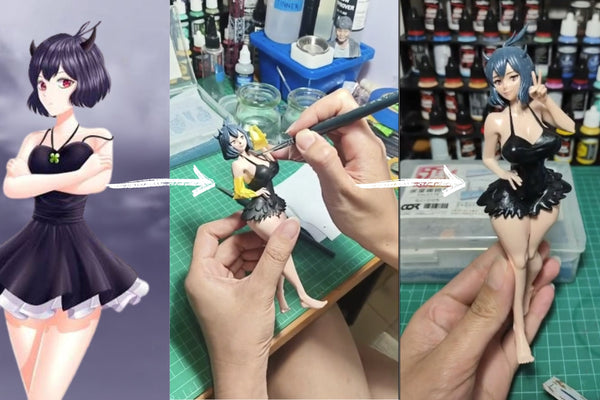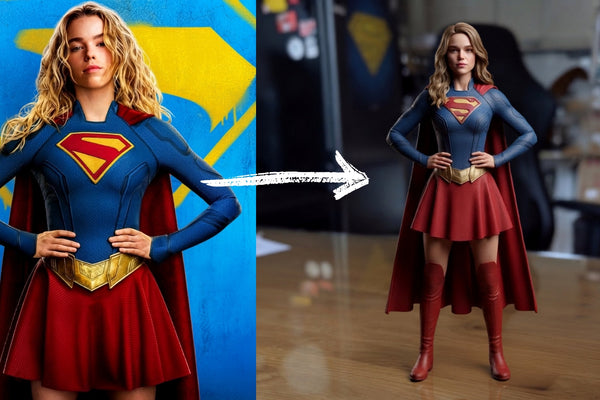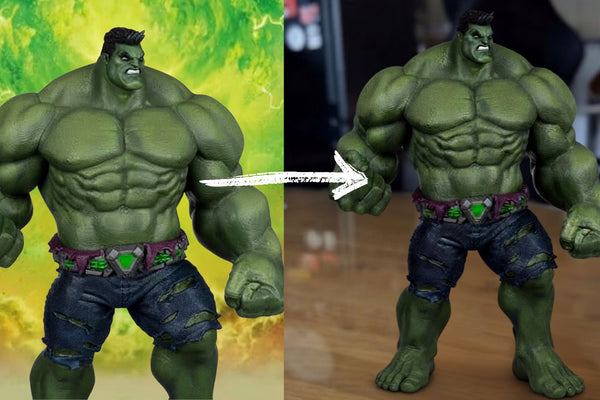



The burgeoning interest in bespoke collectibles and personalized memorabilia has propelled 3D printing to the forefront of manufacturing custom action figures. Enthusiasts and creators alike often ponder the optimal technology required to translate digital designs into tangible, high-fidelity models. The fundamental question revolves around identifying which 3D printer is best suited for producing the intricate details, smooth finishes, and robust structures demanded by collector-quality action figures.
While various 3D printing technologies exist, not all are equally adept at the precise requirements of action figure fabrication. This article delves into the technical considerations and specific printer types that excel in bringing custom action figures, from anime characters to superheroes and celebrity likenesses, to life with unparalleled accuracy and aesthetic appeal.
The Quest for Detail: Why Printer Choice Matters for Custom Figures
The creation of an action figure necessitates a level of detail that surpasses many other 3D printing applications. Factors such as facial expressions, clothing textures, intricate accessories, and dynamic poses demand extremely high resolution and precision. The choice of 3D printing technology directly impacts the final product's quality, durability, and visual fidelity.
FDM: The Accessible Entry Point, Yet Limited for Fine Details
Fused Deposition Modeling (FDM) printers represent the most common and often most affordable segment of the consumer 3D printing market. These machines operate by extruding a thermoplastic filament (e.g., PLA, ABS) through a heated nozzle, depositing it layer by layer to build an object. While FDM printers are excellent for prototyping, functional parts, and larger, less intricate models, they typically fall short in the fine detailing required for high-quality action figures.
The primary limitations of FDM for action figures include:
- Visible Layer Lines: The inherent layer-by-layer extrusion process often results in prominent layer lines, which can detract significantly from the aesthetic appeal of a detailed figure. Extensive post-processing, such as sanding and priming, is usually required to achieve a smooth finish.
- Lower Resolution: FDM printers generally have a lower resolution compared to other technologies, making it challenging to reproduce very fine features like intricate hair strands, small buttons, or delicate weaponry with precision.
- Support Structure Challenges: Removing support structures from complex FDM prints can often leave marks or blemishes on the surface, further complicating the post-processing workflow for delicate parts.
SLA and DLP: The Gold Standard for High-Fidelity Figurines
When it comes to producing highly detailed, smooth-surfaced action figures, Stereolithography (SLA) and Digital Light Processing (DLP) 3D printers are overwhelmingly preferred. Both technologies belong to the Vat Polymerization family, employing liquid resin that is selectively cured by light to form solid objects.
Stereolithography (SLA): SLA printers utilize a UV laser to draw out each layer in a vat of photopolymer resin. The laser precisely traces the cross-section of the object, solidifying the resin layer by layer. This process is renowned for its exceptional accuracy, smooth surface finishes, and ability to capture intricate details.
Digital Light Processing (DLP): DLP printers operate on a similar principle to SLA but employ a digital light projector to flash an entire layer's image at once, rather than using a laser to trace. This method often results in faster print speeds, particularly for larger batches, while maintaining comparable levels of detail and surface quality to SLA.
The advantages of SLA/DLP for action figure production are substantial:
- Superior Resolution and Detail: These technologies can achieve extremely fine layer heights (often down to 25 microns or less) and high XY resolution, allowing for the reproduction of minute details, sharp edges, and smooth contours critical for realistic figures.
- Smooth Surface Finish: Resin prints typically emerge with a significantly smoother surface finish than FDM prints, minimizing the need for extensive sanding and reducing post-processing time. This is crucial for painting and achieving a professional look.
- Material Versatility: A wide range of specialized resins is available, offering various properties such as rigidity, flexibility, and specific aesthetic qualities, which can be tailored to the requirements of different action figure types.
Critical Factors for Action Figure Production
Beyond the fundamental printing technology, several other factors contribute to the successful creation of custom action figures.
Resolution and Layer Height
For action figures, 'resolution' primarily refers to the smallest feature size the printer can reliably produce (XY resolution) and the thickness of each printed layer (Z-axis layer height). A high XY resolution ensures that fine details like character features and accessory textures are crisp. A low layer height (e.g., 25-50 microns) is essential for minimizing visible layer lines and producing a smooth, sculpt-like finish that is conducive to painting and display.
Material Properties: The Significance of Premium Resin
The choice of material is paramount. While FDM uses plastic filaments, SLA/DLP printers utilize photopolymer resins. For action figures, a 'premium resin' is crucial. Such resins are engineered for exceptional detail retention, allowing for the capture of even the most minute design elements. They also offer a balance of rigidity and durability, ensuring that the finished figure is robust enough for handling and display without being overly brittle. The quality of the resin directly impacts the feel, look, and longevity of the custom figure.
Print Volume and Scale
Action figures come in various sizes, from compact collectible models to larger display pieces. The print volume of the 3D printer dictates the maximum size of a single printed part. Professional services like Figuro offer custom figures ranging from 8cm (3.1") to 22cm (8.7"), necessitating printers with sufficient build platforms to accommodate these dimensions, or the ability to accurately section and reassemble larger models seamlessly.
Post-Processing Requirements
Even with advanced resin printers, post-processing is a critical step. This typically involves washing the printed parts to remove uncured resin, followed by a final UV curing stage to fully harden the material. Support structures, necessary for overhangs and complex geometries, must then be carefully removed and any remaining nubs sanded smooth. Professional services streamline this process, ensuring a pristine finish.
Beyond the Desktop: Professional-Grade Custom Figure Production with Figuro
While desktop resin 3D printers offer incredible capabilities for hobbyists, achieving truly professional-grade custom action figures often benefits from specialized expertise and industrial-grade equipment. Services like Figuro exemplify this by leveraging advanced SLA/DLP 3D printing technology combined with skilled craftsmanship to produce custom figurines of exceptional quality.
Figuro specializes in transforming intangible moments and creative visions into tangible, highly detailed action figures. Whether it's a beloved anime character, a dynamic superhero pose, or a personalized celebrity likeness, Figuro's process ensures high fidelity. We utilize 'premium resin' specifically chosen for its 'high quality' and 'fine detail retention', ensuring every nuance of the design is faithfully reproduced.
Our comprehensive service extends beyond just printing; it encompasses custom poses, custom outfits, and a choice of finishes including realistic colored 3D printed figures or expertly 'hand painted finish' options. This meticulous approach guarantees that each custom action figure is a true work of art, a durable keepsake that captures the essence of the original design.
Conclusion
For the discerning creator and collector, the question of 'what 3D printer is used to make your own action figures' finds its answer predominantly in resin-based technologies: SLA and DLP. These printers provide the unparalleled resolution, surface finish, and material versatility necessary to produce action figures with the intricate details and aesthetic quality demanded by enthusiasts.
While the initial investment and learning curve for resin printing may be higher than FDM, the superior results for action figure creation are undeniable. For those seeking professional-grade custom action figures without the complexities of owning and operating industrial 3D printing equipment, services like Figuro offer a seamless solution. By combining cutting-edge 3D printing technology with expert finishing, Figuro transforms your visions into exquisite, tangible keepsakes. Discover the possibilities and start your custom action figure order today by visiting getfiguro.com.
Bring Your Best Memories into the 3D World
Tired of looking at your favorite moments through a glass screen? Turn those unforgettable photos into something you can actually touch, hold, and display forever. Whether you're chasing jaw-dropping realism with our Realistic 3D Figurines, adding a fun twist to your desk space with a Custom Bobblehead Figurine, or celebrating a milestone love story with a Personalized Anniversary Couple Gift, we custom-sculpt every single piece to tell your unique story.
👉 Explore Figuro's Full Collection & Start Crafting Yours Today!