


Introduction: Understanding a 'pic of 3d printer' in the Context of High-Resolution Figurine Production
The phrase 'pic of 3d printer' often denotes a visual representation of the hardware and output capabilities of additive manufacturing systems. For providers of premium, custom figurines such as Figuro, an accurate technical reading of such images contributes to consumer trust and to an informed evaluation of print fidelity. This article examines the technical attributes visible in images of resin 3D printers and explains how those attributes translate to the quality of a finished figurine.
Resin 3D Printing: Photographic Indicators of Process and Capability
Resin-based 3D printing technologies, typically stereolithography (SLA) or digital light processing (DLP), generate parts by curing photopolymer resin layer by layer. A 'pic of 3d printer' can reveal several objective indicators of capability:
Build Platform and Vat Geometry
Visible build platform design and vat containment provide clues about maximum build volume and stability. A rigid, well-aligned platform suggests reduced micro-shift during exposure and thus improved dimensional accuracy. For figurines produced by Figuro ranging from 8cm to 22cm, consistent platform alignment is critical to retain fine anatomical and facial details.
Exposure Source and Pixelation
In high-resolution images, the presence of a projector, LCD array, or laser module is indicative of how layer resolution is controlled. Pixel size or laser spot diameter correlates directly with XY resolution. Photographic evidence of finely structured projector arrays supports expectations of superior detail retention in facial features and textured clothing when printing custom figurines.
Layer Artifacts and Surface Finish
A carefully composed 'pic of 3d printer' often includes sample prints. Observing layer lines, surface ripple, or support mark distribution allows an expert to infer layer thickness, exposure calibration, and post-processing rigor. Figuros premium resin and professional post-processing typically minimize visible layer stepping at common figurine scales.
From Image to Specification: Translating Visual Cues into Print Parameters
An academic assessment proceeds from photographic cues to quantifiable parameters. The most relevant metrics for figurine production include:
- XY Resolution: Determined by pixel size or laser spot; influences fine surface detail.
- Layer Thickness: Typical ranges for resin SLA/DLP are 25–100 microns; smaller layer thickness improves vertical fidelity.
- Material Properties: The printed resins elongation, modulus, and post-cure hardness affect durability and paint adhesion.
- Dimensional Tolerance: Mechanical tolerances are often within tenths to single-digit millimeters for small figurines, depending on geometry and support removal.
Evaluating a 'pic of 3d printer' with Respect to Figuros Service Offering
When prospective customers examine images of a 3D printer associated with a service, they should evaluate how the observable machine and sample outputs align with the company's stated product specifications. Figuro provides:
- Size options from 8cm (3.1") to 22cm (8.7") suitable for desktop display and keepsake purposes.
- Premium resin material chosen for fine-detail retention and stable post-cure mechanical properties.
- Multiple finish choices: realistic colored 3D printed finish and hand-painted finish, both requiring rigorous post-processing workflows.
These offerings imply a production chain that includes precise SLA/DLP printing, systematic washing and UV post-curing, careful support removal, and detailed finishing. A technical scrutiny of a 'pic of 3d printer' can corroborate this workflow when images show clean workspaces, controlled curing stations, and sample figurines with minimal surface defects.
Post-Processing Visible in Photographs
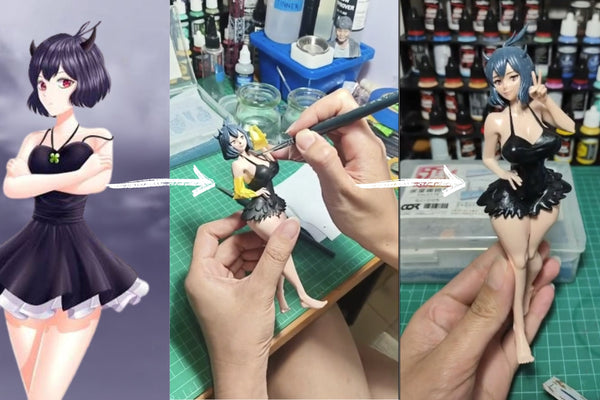
Critical post-processing stages may be visible in photographic material: isopropyl alcohol baths for uncured resin removal, UV curing cabinets for polymer cross-linking, and sanding/priming stations for surface treatment. Each visible station signals attention to the finishing steps required to achieve museum-quality figurines. Furthermore, evidence of manual painting stations indicates availability of hand-painted finish options and supports expectations of bespoke color matching and detailing.
Quality Assurance, Preview Policies, and Customer Confidence
Technical images that include inspection fixtures, measurement tools, or software screenshots of model previews demonstrate a process-oriented approach to quality assurance. Figuros policy of offering a 100% refund if a customer does not approve the preview before printing begins is a procedural safeguard that complements technical QA. The preview mechanism reduces variability between expectation and final product by allowing corrections to pose, outfit, or scale prior to committing to material and machine time.
Shipping, Scale, and Global Service Indicators
A 'pic of 3d printer' may also reveal packaging benches and shipping labels; these elements indicate logistical maturity. Figuro includes free delivery to multiple regions, including the US, China, Thailand, Singapore, India, and Malaysia. Observing organized packaging and labelled units in images reduces perceived shipping risk for international customers and demonstrates readiness to handle cross-border fulfillment at scale.
Best Practices for Presenting 'Pics of 3D Printers' in Product Listings
For manufacturers and service providers aiming to convey technical competence, photographic best practices include:
- High-resolution, well-lit images showing both machine hardware and representative printed parts.
- Close-up macro shots of critical features such as facial detail, clothing textures, and thin appendages.
- Contextual images of post-processing stations to demonstrate finishing rigor.
- Annotated images or brief captions that relate visible features to specific print metrics (for example, layer thickness or XY resolution).
Conclusion and Call to Action
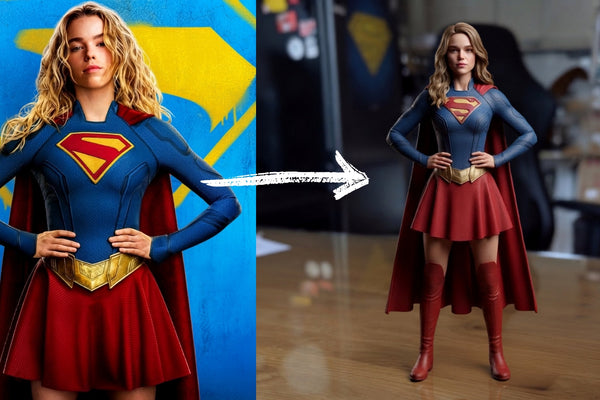
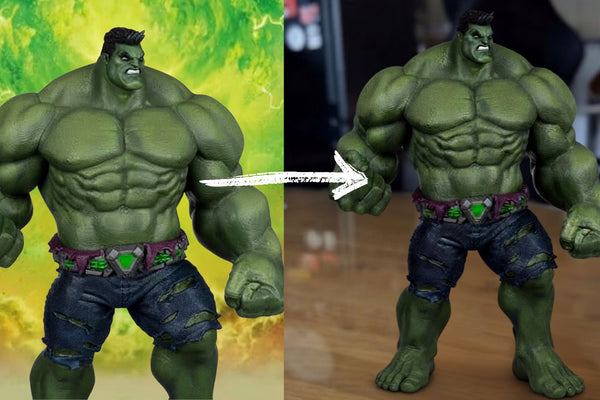
Analyzing a 'pic of 3d printer' through a technical lens enables potential clients to assess the likelihood that a service provider will deliver high-fidelity, durable figurines. For enthusiasts and professionals seeking custom 3D printed figurines, Figuro integrates proven resin technologies, meticulous post-processing, and transparent preview policies to transform photographic references into tangible keepsakes. To evaluate sample photos of printer setups and finished parts, or to begin a custom order, please visit getfiguro.com and request a preview. The process is designed to be iterative and customer-centered, ensuring that the final figurine meets precise expectations.
Bring Your Best Memories into the 3D World
Tired of looking at your favorite moments through a glass screen? Turn those unforgettable photos into something you can actually touch, hold, and display forever. Whether you're chasing jaw-dropping realism with our Realistic 3D Figurines, adding a fun twist to your desk space with a Custom Bobblehead Figurine, or celebrating a milestone love story with a Personalized Anniversary Couple Gift, we custom-sculpt every single piece to tell your unique story.
👉 Explore Figuro's Full Collection & Start Crafting Yours Today!