


In an era where digital photographs accumulate by the thousands on devices and cloud storage, the desire to transform cherished family memories into tangible, displayable art has never been stronger. Family collage canvases have emerged as a popular solution, offering a curated visual narrative that celebrates relationships, milestones, and the everyday moments that define our lives. However, as technology advances and personalisation options expand, families are discovering innovative alternatives that transcend traditional two-dimensional displays.
Understanding the Appeal of Family Collage Canvases
The concept of a family collage canvas centres on the consolidation of multiple photographs into a single, cohesive artwork. Rather than scattering individual frames across walls or relegating memories to albums that rarely see daylight, a collage canvas creates an intentional focal point within a home. This approach resonates deeply with contemporary design sensibilities whilst honouring the timeless human need to surround ourselves with images of loved ones.
Traditional family collage canvases typically feature a grid or artistic arrangement of photographs printed directly onto canvas material, which is then stretched over a wooden frame. The aesthetic versatility allows for minimalist monochrome presentations, vibrant colour compilations, or thematic arrangements organised by chronology, occasion, or family branch. Interior designers frequently recommend these pieces as anchor points in living rooms, hallways, or family spaces, where they serve both decorative and conversational functions.
The Emotional Significance of Physical Memory Displays
Psychological research consistently demonstrates that physical representations of memories provide cognitive and emotional benefits that digital counterparts cannot fully replicate. The tangible nature of a canvas collage creates what researchers term 'environmental autobiography'—a physical space that reflects and reinforces personal identity and family narrative. When family members encounter these displays in their daily routines, they experience repeated micro-moments of connection and reflection that strengthen relational bonds.
Furthermore, the curation process itself holds intrinsic value. Selecting which images to include, determining their arrangement, and deciding on presentation style requires thoughtful consideration of what moments matter most. This intentional engagement with family history creates meaning beyond the final product, transforming the creation process into an act of storytelling and values articulation.
Design Considerations for Effective Family Collage Canvases
Creating an impactful family collage canvas requires more than simply uploading photographs to a printing service. Successful designs balance aesthetic coherence with emotional resonance, technical quality with creative expression.
Compositional Strategies
The arrangement of images within a collage canvas significantly influences its visual impact. Grid layouts offer clean, contemporary appeal and work particularly well when photographs share similar lighting conditions or colour palettes. Asymmetrical compositions create dynamic visual interest and can accommodate images of varying sizes and orientations. Some families opt for heart-shaped arrangements, tree motifs, or custom designs that incorporate meaningful symbols alongside photographs.
Colour harmony deserves particular attention. Images with consistent tones—whether warm sepia tones, cool monochromes, or vibrant full colour—create visual unity. Alternatively, deliberate contrast between black-and-white historical photographs and contemporary colour images can emphasise generational continuity and change.
Technical Quality and Printing Considerations
The resolution and quality of source photographs directly affect the final canvas appearance. Low-resolution images that appear acceptable on screens often reveal pixelation and blur when enlarged for canvas printing. Professional services typically recommend minimum resolutions of 300 DPI (dots per inch) at the intended print size to ensure crisp, detailed reproduction.
Canvas material quality varies considerably across providers. Premium cotton-polyester blends offer superior colour absorption and longevity compared to budget alternatives. UV-resistant inks prevent fading over time, particularly important for canvases displayed in naturally lit spaces. The depth of the wooden frame—typically ranging from 2cm to 5cm—affects both the visual presence and the three-dimensional shadow effect against the wall.
Beyond Two Dimensions: Exploring Three-Dimensional Memory Preservation
Whilst family collage canvases represent a significant advancement over traditional photo albums, emerging technologies are enabling entirely new approaches to memory preservation. Three-dimensional representations offer immersive, sculptural alternatives that occupy physical space in fundamentally different ways than flat images.
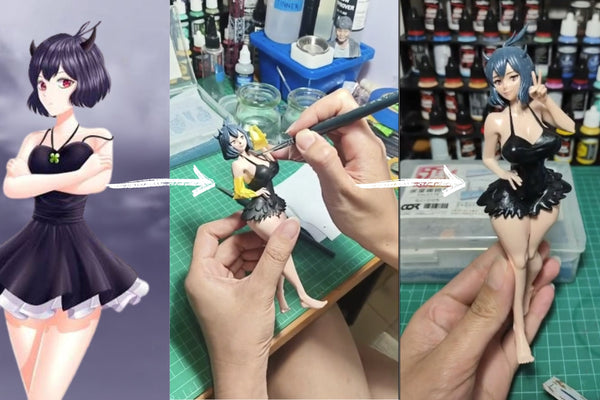
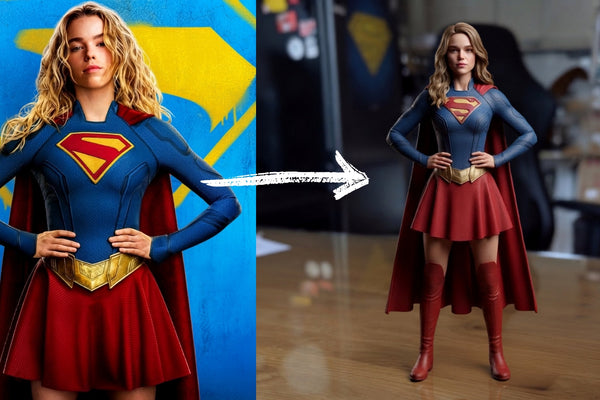
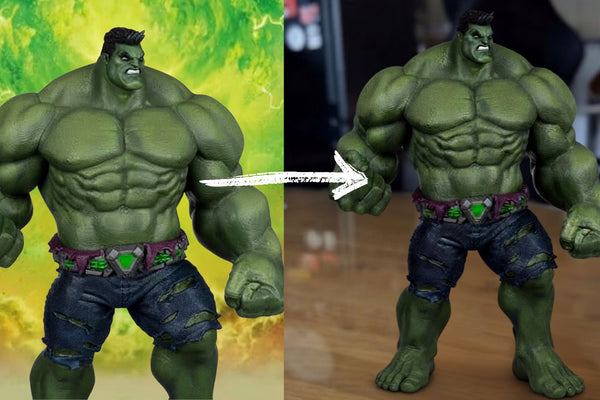
Custom 3D printed figurines represent the frontier of personalised family keepsakes. Companies like Figuro have pioneered services that transform photographs into detailed, realistic miniature sculptures. Rather than viewing family members in two-dimensional form, these figurines create tangible representations that can be held, displayed from multiple angles, and integrated into living spaces as decorative objects with profound personal significance.
The Advantages of Three-Dimensional Family Representations
Three-dimensional figurines offer several distinctive benefits compared to traditional canvas collages. The sculptural nature creates a physical presence that photographs cannot replicate—these objects occupy real space and cast shadows, making them feel more substantively 'present' within a home environment. For families separated by distance, a custom figurine of a grandparent, sibling, or child provides a comforting physical proxy that exceeds what photographs can offer.
The detail achievable through modern 3D printing technology has reached remarkable levels of sophistication. Premium resin materials allow for fine feature reproduction, capturing distinctive characteristics like facial expressions, hairstyles, and even clothing details. Hand-painted finishes enhance realism, creating miniature portraits that families often describe as uncannily accurate representations of their loved ones.
Additionally, three-dimensional keepsakes accommodate scenarios where traditional photography may be insufficient. Custom poses can be created to represent activities, achievements, or imagined scenarios. Family groups can be configured in arrangements that may never have been photographed together, particularly valuable for families with members who have passed away or live across continents.
Comparative Analysis: Canvas Collages Versus 3D Figurines
Both family collage canvases and custom 3D figurines serve the fundamental purpose of materialising memories, yet they excel in different contexts and fulfill distinct needs.
Display Versatility and Space Considerations
Canvas collages require wall space and function best as visual focal points in designated areas. They suit homes with available wall real estate and complement contemporary interior design aesthetics. However, they remain fixed installations that cannot be easily relocated or reconfigured.
Three-dimensional figurines offer greater flexibility in display options. They can occupy shelves, desks, mantels, or curated display cases. Their compact footprint—ranging from 8cm to 22cm in height—makes them suitable for smaller living spaces whilst still maintaining visual impact. The ability to move and rearrange these pieces allows for seasonal displays or rotating presentations that keep memory displays fresh and engaging.
Emotional Engagement and Interaction
Canvas collages invite visual contemplation from a distance. They create ambient presence—family members may glance at them dozens of times daily, absorbing their visual information passively whilst moving through spaces.
Figurines, conversely, encourage direct interaction. Their three-dimensional nature invites handling and closer examination. Children particularly engage with these objects differently than wall art, often incorporating them into imaginative play or developing rituals around their display and care. This tactile dimension adds a sensory layer to memory preservation that two-dimensional images cannot provide.
Integrating Multiple Memory Preservation Approaches
Rather than viewing canvas collages and three-dimensional keepsakes as competing options, forward-thinking families are discovering the value of integrated memory ecosystems that combine multiple formats. A living room might feature a large family collage canvas as a visual anchor whilst incorporating custom figurines of individual family members on nearby shelving, creating layered storytelling across dimensions and scales.
This multi-modal approach accommodates different types of memories and serves various functions. Canvas collages excel at presenting chronological narratives—a couple's journey from dating through marriage to parenthood, for instance. Three-dimensional figurines capture specific moments or individuals with particular significance: a beloved grandmother, a child at a specific age, or a family pet whose personality transcends what photographs can convey.
Creating Cohesive Memory Displays
When combining different memory formats, aesthetic coordination enhances overall impact. Colour schemes that echo between canvas prints and figurine bases create visual harmony. Thematic consistency—such as focusing on outdoor adventures or formal occasions—provides narrative coherence across different representational forms.
Lighting considerations also matter significantly. Canvas collages benefit from even, indirect illumination that minimises glare whilst revealing detail. Three-dimensional figurines create more dynamic visual interest when lit from angles that cast subtle shadows, emphasising their sculptural qualities.
The Future of Family Memory Preservation
As technology continues advancing, the boundary between digital and physical memory preservation grows increasingly porous. Augmented reality applications may soon allow families to scan canvas collages or figurines with smartphones, triggering video playback of the moments captured. Artificial intelligence might suggest optimal photograph selections or compositional arrangements based on facial recognition and aesthetic algorithms.
However, regardless of technological sophistication, the fundamental human need underlying all these innovations remains constant: the desire to make abstract memories concrete, to transform fleeting moments into enduring objects that anchor identity and celebrate connection.
Creating Your Family Memory Masterpiece
Whether you choose a traditional family collage canvas, explore three-dimensional alternatives like custom figurines, or combine multiple approaches, the key lies in intentionality. The most meaningful memory displays emerge from thoughtful consideration of which moments truly matter, how they relate to one another, and what stories you want your living spaces to tell.
For families ready to explore beyond conventional canvas collages, Figuro offers an innovative approach to memory preservation. By transforming photographs into detailed, custom 3D printed figurines crafted from premium resin, Figuro turns moments into tangible keepsakes that occupy space in your home and heart. With sizes ranging from 8cm to 22cm, custom poses and outfits, and a 100% satisfaction guarantee before printing begins, creating your family's three-dimensional memory collection has never been more accessible. Visit getfiguro.com to discover how your cherished moments can become beautifully crafted figurines that complement and enhance your family's memory displays.
Bring Your Best Memories into the 3D World
Tired of looking at your favorite moments through a glass screen? Turn those unforgettable photos into something you can actually touch, hold, and display forever. Whether you're chasing jaw-dropping realism with our Realistic 3D Figurines, adding a fun twist to your desk space with a Custom Bobblehead Figurine, or celebrating a milestone love story with a Personalized Anniversary Couple Gift, we custom-sculpt every single piece to tell your unique story.
👉 Explore Figuro's Full Collection & Start Crafting Yours Today!