


Understanding Canvas Sites in the Digital Landscape
Canvas sites represent a revolutionary approach to web design and digital presentation, offering creators, artists, and businesses an innovative platform to showcase their work with unprecedented visual freedom. Unlike traditional website builders that rely on rigid templates and pre-defined structures, canvas sites provide a blank digital canvas where imagination becomes the primary architectural tool. This methodology has transformed how visual storytelling unfolds online, particularly for creative professionals seeking to break free from conventional web design constraints.
The term 'canvas site' derives from the fundamental concept of treating a webpage as an artist treats a physical canvas—as an open space for unrestricted creative expression. These platforms enable designers to position elements anywhere on the page, layer content dynamically, and create immersive experiences that respond to user interaction in sophisticated ways. For businesses like Figuro, which specialise in transforming personal moments into tangible three-dimensional keepsakes, the canvas site approach offers compelling opportunities to demonstrate product customisation and showcase the emotional resonance of custom figurines.
The Evolution of Canvas-Based Web Design
Canvas sites emerged as web technologies advanced beyond simple HTML layouts into more sophisticated JavaScript-driven experiences. The HTML5 Canvas element, introduced in the late 2000s, provided developers with a scriptable drawing surface that could render graphics, animations, and interactive content in real-time. This technological breakthrough unlocked new possibilities for web designers who previously struggled with the limitations of table-based and even early CSS layouts.
Modern canvas site builders have democratised this technology, making it accessible to users without extensive coding knowledge. Platforms such as Wix, Squarespace, and specialised tools like Webflow have integrated canvas-style editing interfaces that allow users to drag, drop, and position elements with pixel-perfect precision. This evolution has been particularly beneficial for portfolio sites, artistic showcases, and product-focused businesses that require visual flexibility to communicate their unique value propositions effectively.
Technical Foundations of Canvas Sites
At their core, canvas sites leverage a combination of advanced CSS positioning, JavaScript libraries, and increasingly, WebGL for three-dimensional rendering capabilities. The technical architecture typically involves absolute or fixed positioning of elements, z-index layering for depth control, and event listeners that respond to user interactions such as scrolling, clicking, or hovering. These foundational technologies work in concert to create seamless, visually engaging experiences that feel more akin to interactive applications than traditional websites.
Performance optimisation remains a critical consideration for canvas sites, as the visual richness and interactive elements can increase page load times and resource consumption. Developers must balance aesthetic ambition with practical considerations such as mobile responsiveness, browser compatibility, and accessibility standards. Progressive enhancement strategies ensure that core content remains accessible even when advanced features fail to load, maintaining usability across diverse user contexts.
Canvas Sites for Creative Business Applications
For businesses operating in creative industries, canvas sites offer distinct advantages in communicating brand identity and product uniqueness. Companies like Figuro, which transform photographs into custom three-dimensional printed figurines, benefit immensely from the visual storytelling capabilities that canvas sites provide. The ability to showcase product transformation processes, display customer testimonials alongside relevant imagery, and create interactive customisation previews enhances customer engagement and conversion potential.
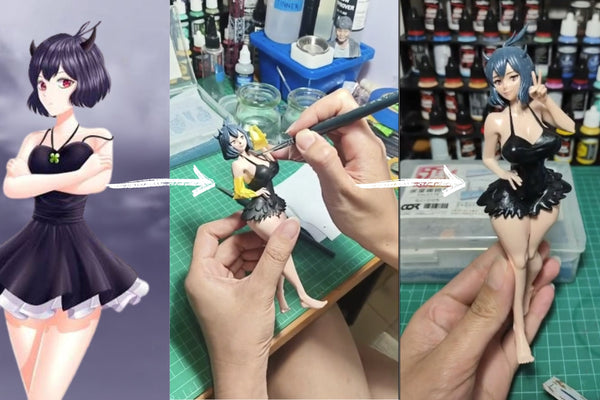
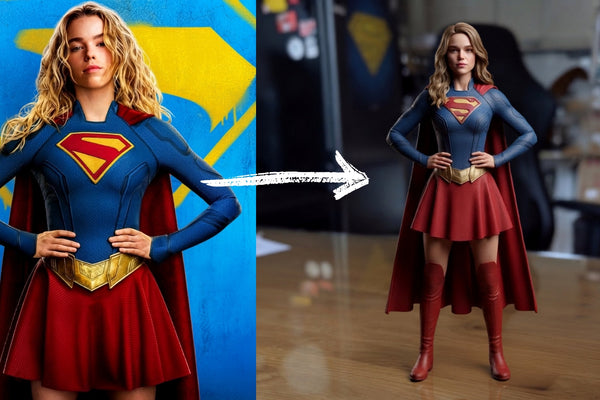
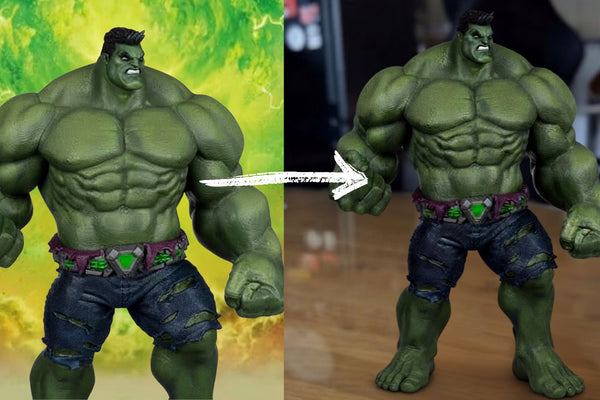
The spatial freedom inherent in canvas design allows businesses to guide visitors through carefully choreographed journeys that mirror their product experience. For instance, a canvas site for custom figurines might begin with an emotional family photograph, progressively reveal the transformation process through scrolling animations, and culminate in a three-dimensional representation of the finished product. This narrative approach creates emotional connections that static layouts struggle to achieve, ultimately driving purchase decisions through experiential understanding rather than mere product description.
Showcasing Product Customisation Options
Canvas sites excel at presenting complex customisation options in intuitive, visually digestible formats. Rather than overwhelming visitors with dropdown menus and form fields, canvas-based interfaces can display customisation choices as interactive visual elements. For custom figurine services, this might involve showing size comparisons through scalable three-dimensional renders, demonstrating colour options through dynamic palette swatches, or illustrating pose variations through animated transitions.
This visual approach reduces cognitive load and helps customers envision their personalised product more clearly. When visitors to Figuro's platform can see how their chosen size—whether 8cm or 22cm—compares to everyday objects, or preview how hand-painted finishes differ from standard realistic coloured printing, decision-making becomes more confident and satisfying. The canvas site framework supports these interactive demonstrations far more effectively than traditional web layouts.
Design Principles for Effective Canvas Sites
Creating successful canvas sites requires adherence to fundamental design principles that ensure aesthetic appeal translates into functional user experience. Visual hierarchy remains paramount; despite the freedom to position elements anywhere, designers must guide visitor attention through strategic use of scale, contrast, colour, and motion. Without clear visual pathways, canvas sites risk becoming cluttered showcases that confuse rather than convince.
Whitespace management becomes even more critical in canvas design than in traditional layouts. The temptation to fill every available pixel must be resisted in favour of breathing room that allows individual elements to command appropriate attention. For businesses presenting premium products—such as custom three-dimensional figurines crafted from high-quality resin—generous whitespace communicates quality, craftsmanship, and attention to detail that aligns with brand positioning.
Responsive Design Considerations
The canvas approach presents unique challenges for responsive design, as the spatial relationships carefully crafted for desktop viewports may not translate effectively to mobile devices. Successful canvas sites employ adaptive strategies that reconfigure layouts based on viewport dimensions, sometimes presenting entirely different compositions for mobile users rather than simply scaling down desktop designs. This approach ensures that the core message and visual impact remain intact regardless of viewing context.
Touch interaction paradigms also require special consideration in canvas site development. Hover effects that work brilliantly on desktop become inaccessible on touch devices, necessitating alternative interaction patterns. Designers must anticipate these variations during initial planning phases, ensuring that interactive elements function intuitively across all device types without compromising the distinctive visual character that motivated the canvas approach.
Canvas Sites and E-Commerce Integration
Integrating e-commerce functionality into canvas sites requires careful planning to maintain visual cohesion while ensuring transactional reliability. Shopping cart systems, checkout processes, and payment gateways must function flawlessly even within unconventional layouts. Many businesses adopt hybrid approaches, using canvas design for storytelling and product showcase pages while reverting to more conventional structures for critical transaction steps.
For custom product businesses, the canvas format offers opportunities to embed configurators directly into the browsing experience. Rather than relegating customisation to separate tool pages, visitors might interact with product options as they scroll through narrative content, building their ideal figurine incrementally as they learn about available features. This integrated approach reduces friction in the customer journey, keeping visitors engaged within a single, cohesive experience rather than navigating between disconnected pages.
Future Directions in Canvas Site Development
Emerging technologies continue to expand possibilities for canvas-based web experiences. WebGL and Three.js enable increasingly sophisticated three-dimensional rendering directly in browsers, allowing businesses to present products with photorealistic detail and interactive manipulation. For companies creating physical three-dimensional products from customer photographs, these technologies bridge the gap between digital preview and tangible outcome, building customer confidence through accurate visualisation.
Artificial intelligence integration promises to make canvas sites more adaptive and personalised, adjusting content presentation based on individual visitor behaviour and preferences. Machine learning algorithms might analyse which visual arrangements prove most effective for different audience segments, automatically optimising layouts to maximise engagement and conversion. These intelligent systems could transform canvas sites from static artistic statements into dynamic, learning platforms that improve continuously through user interaction.
Creating Memorable Digital Experiences
Ultimately, canvas sites succeed when they create memorable experiences that resonate emotionally with visitors. For businesses like Figuro, whose products themselves represent the preservation of precious moments, the parallel between canvas-based web design and the transformation of photographs into lasting figurines becomes particularly apt. Both involve taking raw materials—whether digital photographs or blank web pages—and crafting them into meaningful, personalised expressions that capture something intangible and make it permanent.
The investment in canvas site development reflects a commitment to presenting products and services with the care and creativity they deserve. When executed thoughtfully, these sites become extensions of brand identity, communicating values and quality through every visual choice and interactive detail. For customers considering custom figurines ranging from 8cm family portraits to 22cm memorial pieces, the website experience sets expectations for the craftsmanship and attention to detail they will receive throughout their order journey.
If you are inspired to transform your cherished moments into lasting three-dimensional keepsakes, explore how Figuro can bring your photographs to life. With premium resin materials, meticulous hand-painted finishes, and a satisfaction guarantee that ensures you love your preview before production begins, your memories deserve to be celebrated in tangible form. Visit getfiguro.com today to begin creating your custom figurine and experience the joy of holding your most precious moments in your hands.
Bring Your Best Memories into the 3D World
Tired of looking at your favorite moments through a glass screen? Turn those unforgettable photos into something you can actually touch, hold, and display forever. Whether you're chasing jaw-dropping realism with our Realistic 3D Figurines, adding a fun twist to your desk space with a Custom Bobblehead Figurine, or celebrating a milestone love story with a Personalized Anniversary Couple Gift, we custom-sculpt every single piece to tell your unique story.
👉 Explore Figuro's Full Collection & Start Crafting Yours Today!