


In the realm of contemporary art reproduction and home décor, the term 'canvas print' has become ubiquitous, yet its precise definition and technical specifications remain obscure to many consumers. Understanding what constitutes a canvas print, how it differs from alternative reproduction methods, and its applications in both artistic and sentimental contexts is essential for making informed purchasing decisions.
What Is a Canvas Print? A Comprehensive Definition
A canvas print is a method of reproducing digital or photographic images onto canvas material using specialized inkjet printing technology. Unlike traditional oil or acrylic paintings created manually by artists, canvas prints involve the transfer of pre-existing imagery onto stretched canvas fabric through high-resolution printing processes. The resulting product mimics the aesthetic appearance of hand-painted artwork while offering accessibility, affordability, and reproducibility.
The canvas substrate typically consists of cotton, polyester, or a cotton-polyester blend, woven into a textured fabric that resembles the surface used by traditional painters. This textured surface distinguishes canvas prints from standard paper prints, providing depth, dimensionality, and an authentic artistic appearance that enhances visual appeal.
Technical Components of Canvas Printing
Printing Technology and Ink Systems
Modern canvas printing predominantly employs giclée printing technology, a sophisticated inkjet process utilizing archival-quality pigment-based inks. The term 'giclée' derives from the French word meaning 'to spray', accurately describing the micro-fine ink droplet application method. These specialized printers deposit millions of microscopic ink particles onto the canvas surface, creating smooth colour gradations and exceptional detail resolution.
Pigment-based inks offer superior longevity compared to dye-based alternatives, resisting fading from ultraviolet light exposure and environmental factors. Quality canvas prints can maintain colour integrity for 75-200 years when properly displayed and maintained, rivaling the archival standards of traditional fine art media.
Canvas Material Specifications
The substrate selection significantly influences the final product's appearance and durability. Cotton canvas, typically ranging from 340-450 gsm (grams per square metre), provides excellent ink absorption and a traditional fine art texture. Polyester canvas offers enhanced durability and moisture resistance, making it suitable for environments with humidity concerns. Blended materials attempt to balance the aesthetic qualities of cotton with the practical advantages of synthetic fibres.
The weave pattern—whether fine, medium, or coarse—affects texture visibility and detail reproduction. Finer weaves accommodate intricate imagery and photographic reproductions, whilst coarser weaves evoke traditional painting aesthetics more convincingly.
Canvas Prints Versus Alternative Reproduction Methods
Canvas Prints Compared to Paper Prints
Standard photographic or art prints on paper lack the textured dimensionality of canvas reproductions. Whilst paper prints typically require framing behind glass for protection, canvas prints are often displayed without glazing, eliminating reflective glare and creating a more authentic artistic presentation. The structural rigidity of stretched canvas also provides inherent stability that paper prints require through matting and backing boards.
Canvas Prints Distinguished from Original Paintings
Though canvas prints replicate the visual characteristics of hand-painted artwork, fundamental differences exist. Original paintings feature tactile paint texture, brushstroke variations, and unique imperfections inherent to manual creation. Canvas prints reproduce a two-dimensional image of artwork or photography without the physical paint application. However, some premium canvas printing services apply textured varnish coatings to simulate brushstroke dimensionality, narrowing this perceptual gap.
Applications and Use Cases for Canvas Prints
Artistic Reproduction and Décor
Artists utilize canvas printing to create affordable reproductions of original works, democratizing art access whilst generating revenue streams beyond original piece sales. Interior designers and homeowners select canvas prints to achieve sophisticated aesthetic environments without the prohibitive costs associated with original artwork acquisition.
Photographic Display and Personal Memorabilia
The transformation of personal photographs into canvas prints has emerged as a prominent trend in commemorative display. Family portraits, wedding photographs, travel imagery, and milestone moments gain elevated significance when presented on canvas rather than standard photographic paper. The artistic treatment confers emotional weight and permanence to cherished memories.
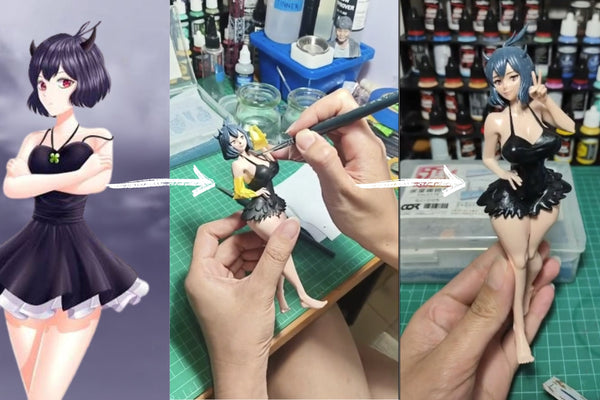
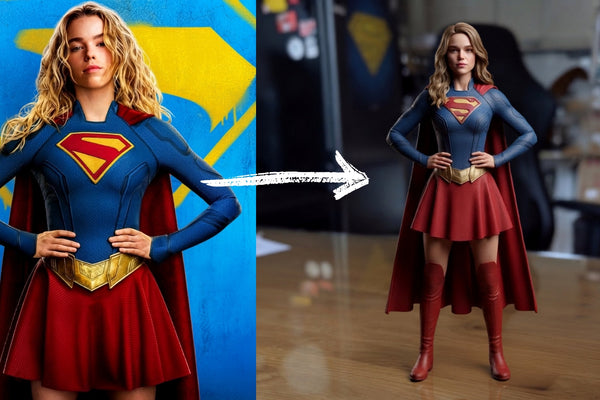
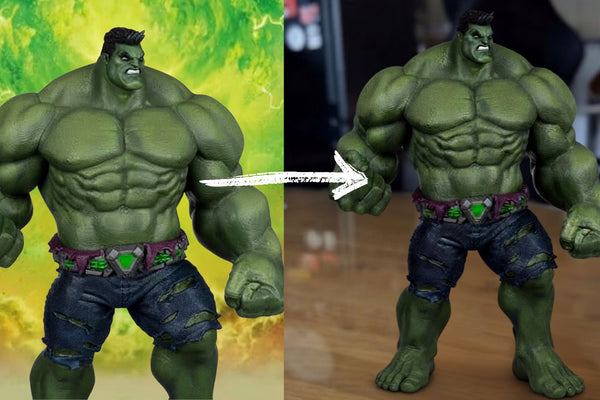
This application parallels the philosophy embraced by innovative companies like Figuro, which specialize in transforming intangible moments into tangible keepsakes. Whilst Figuro achieves this transformation through custom 3D printed figurines created from photographs, canvas printing serves a complementary function—both methods elevate personal memories beyond ephemeral digital files into physical artifacts that occupy meaningful space within domestic environments.
The Canvas Printing Process: From Digital File to Finished Product
Image Preparation and Colour Management
Professional canvas printing begins with meticulous digital file preparation. High-resolution source files—typically 300 dpi (dots per inch) minimum—ensure crisp detail reproduction at the intended display size. Colour profiles must be calibrated to compensate for differences between screen display (RGB colour space) and print output (typically using expanded gamut inksets), preventing unexpected colour shifts in the final product.
Printing and Stretching Procedures
Following colour-corrected file preparation, the canvas material advances through large-format inkjet printers equipped with multiple ink cartridges for expanded colour gamut reproduction. After printing, the canvas requires adequate drying time—typically 24-48 hours—to ensure complete ink curing and prevent smudging during handling.
The printed canvas is subsequently stretched over wooden frames (stretcher bars) and secured using staples or tacks along the rear edges. Gallery wrap techniques fold the printed image around the frame edges, eliminating visible borders and creating a three-dimensional presentation that requires no additional framing.
Protective Coatings and Finishing
Quality canvas prints receive protective coating applications—either matte, satin, or gloss finish—that shield the printed surface from moisture, dust, and ultraviolet degradation. These coatings enhance colour vibrancy whilst extending the artwork's functional lifespan. Some specialized coatings incorporate texture gels that simulate oil painting dimensionality, adding tactile authenticity to the reproduction.
Evaluating Canvas Print Quality: Critical Considerations
Resolution and Detail Clarity
Superior canvas prints exhibit sharp focus, smooth colour transitions, and faithful detail reproduction without visible pixelation or banding artifacts. Insufficient source file resolution or inadequate printer capabilities produce fuzzy, pixelated results that undermine the intended artistic effect.
Colour Accuracy and Vibrancy
Accurate colour reproduction requires professional colour management throughout the production workflow. Reputable canvas printing services provide colour proofing options, allowing clients to review and approve colour accuracy before final production. Pigment ink quality directly influences colour vibrancy and longevity—premium inks deliver richer, more saturated colours that resist fading significantly longer than economy alternatives.
Material Quality and Construction Standards
Canvas weight, weave consistency, and stretcher bar dimensions affect structural integrity and presentation quality. Lightweight canvas may sag over time, whilst inferior stretcher bars may warp under tension. Professional-grade canvas prints utilize substantial stretcher bar dimensions (typically 3-4 cm depth) and kiln-dried wood to prevent warping and ensure long-term stability.
Preserving Memories Through Physical Artifacts
The enduring appeal of canvas prints reflects a fundamental human desire to preserve meaningful moments in tangible, physically present forms. In an increasingly digital age where photographs exist primarily as ephemeral screen images, the conversion of digital files into physical objects—whether canvas prints, photo albums, or custom figurines—grounds memories in material reality.
Figuro operates within this same conceptual space, transforming cherished photographs into three-dimensional figurines through advanced 3D printing technology. Using premium resin materials that retain fine detail, Figuro creates custom figurines ranging from 8cm to 22cm in realistic colour with options for hand-painted finishes, custom poses, and personalized outfits. These figurines serve as memorial keepsakes, wedding cake toppers, family representations, and pet commemorations—tangible manifestations of intangible relationships and experiences.
Both canvas prints and custom figurines address the same fundamental need: transforming fleeting moments into permanent physical presence. The choice between two-dimensional and three-dimensional representation depends on personal preference, display context, and the specific emotional resonance desired.
Making Informed Canvas Print Purchasing Decisions
When commissioning canvas prints, several factors warrant careful consideration. Verify the printing service utilizes archival pigment inks rather than dye-based alternatives. Confirm minimum source file resolution requirements to ensure your imagery will reproduce clearly at the intended size. Inquire about stretcher bar dimensions, canvas material specifications, and protective coating options.
Reputable providers offer satisfaction guarantees—paralleling Figuro's 100% refund policy if customers disapprove of the preview before final production begins. This customer-protective approach demonstrates confidence in product quality and commitment to client satisfaction.
Conclusion: The Enduring Value of Tangible Memory Preservation
Canvas prints represent far more than mere photographic reproductions or decorative wall coverings. They constitute deliberate acts of memory preservation—conscious decisions to elevate specific moments, relationships, and experiences from digital obscurity into physical permanence. Understanding the technical specifications, production processes, and quality indicators empowers consumers to make informed decisions that result in meaningful, enduring artifacts.
Whether through canvas prints, custom figurines, or other commemorative forms, the transformation of moments into tangible objects enriches domestic environments with personal significance. If you seek innovative methods to preserve your cherished memories in three-dimensional form, explore Figuro's custom figurine services at getfiguro.com, where photographs become detailed, personalized keepsakes that capture relationships and milestones with unprecedented depth and dimensionality.
Bring Your Best Memories into the 3D World
Tired of looking at your favorite moments through a glass screen? Turn those unforgettable photos into something you can actually touch, hold, and display forever. Whether you're chasing jaw-dropping realism with our Realistic 3D Figurines, adding a fun twist to your desk space with a Custom Bobblehead Figurine, or celebrating a milestone love story with a Personalized Anniversary Couple Gift, we custom-sculpt every single piece to tell your unique story.
👉 Explore Figuro's Full Collection & Start Crafting Yours Today!