


Introduction
The question of whether 3D printed dog toys are safe for pets is increasingly pertinent as additive manufacturing becomes more accessible. This article evaluates safety from an evidence-based perspective, examining materials, printing technologies, design considerations, and maintenance protocols. The goal is to provide pet owners with an informed framework for assessing risk and making responsible choices.
What constitutes a 3D printed dog toy?
In practical terms, a 3D printed dog toy is any object produced through additive manufacturing intended for canine interaction. Two principal technologies are relevant:
Fused Deposition Modeling (FDM)
FDM uses thermoplastic filament extruded through a heated nozzle. Common filaments include polylactic acid (PLA), polyethylene terephthalate glycol (PETG), nylon, and thermoplastic polyurethane (TPU). FDM is widely used for prototyping and functional parts due to its accessibility and range of materials.
Stereolithography (SLA) and Resin-Based Printing
SLA and other vat-photopolymerization processes use liquid resins cured by light. These methods deliver high-detail surfaces but employ chemical formulations that often include residual monomers and photoinitiators. Post-processing is essential to reduce toxicity, but even well-cured resin parts can differ substantially in safety compared to food-safe thermoplastics.
Material Safety: What to consider
Material selection is the most important determinant of safety. Below are common materials and their general suitability for dog toys.
PLA
PLA is a biodegradable polymer derived from corn starch. It is popular for its ease of printing and low odor. PLA is relatively inert and considered low in toxicity; however, it is brittle and has low heat resistance, which reduces its durability for chewing dogs.
PETG
PETG balances toughness and printability. It exhibits improved impact resistance compared to PLA and superior chemical resistance. Food-safe grades of PETG exist, but certification depends on the filament manufacturer. When purchasing PETG for pet items, seek verifiable food-contact or FDA-compliance documentation.
Nylon and TPU
Nylon and flexible TPU filaments offer greater toughness and abrasion resistance. TPU is useful for toys that require elasticity. Nylon is strong but can absorb moisture and degrade under prolonged chewing. As with PETG, confirm food-safety claims with manufacturer specifications.
Resin
Photopolymer resins often contain chemicals that are harmful if ingested or if they contact sensitive tissues. Even after post-curing, some resins are unsuitable for prolonged oral exposure. Therefore, SLA-printed items should generally be avoided as chew toys unless the resin is explicitly specified and certified as food-safe and biocompatible.
Process and Post-Processing Risks
Beyond base materials, the printing and post-processing workflow meaningfully affects safety.
Residual Chemicals and Incomplete Curing
For resin prints, inadequate washing and under-curing leave residual monomers on surfaces. These compounds may cause irritation or toxicity if ingested by a pet. Even FDM parts can retain solvent residues if acetone smoothing or chemical treatments are applied; such treatments can introduce toxic compounds.
Surface Finish and Small Particles
Layer lines, sharp edges, and poorly bonded infill can create loose fragments. These fragments can become choking hazards or cause gastrointestinal obstruction. Post-print sanding, tumbling, or sealing can reduce particle release but must use non-toxic sealants when the object is intended for pet mouthing.
Risks Specific to Canine Use
When evaluating a 3D printed toy for canine safety, consider the following risk categories.
Choking and Obstruction
Small parts, detachable embellishments, or toys that fracture into pieces present a choking risk. Design choices should prioritize single-piece geometry, reinforced connections, and dimensions that prevent swallowing for the target dog size.
Toxicity and Chemical Exposure
Toxicity arises from base polymers, additives, colorants, and post-processing chemicals. Metallic pigments, certain dyes, and solvent-based paints can be hazardous. Verify that colorants and paints are non-toxic and suitable for oral exposure when the toy will be mouthed.
Mechanical Failure
Layer adhesion, infill percentage, and wall thickness determine mechanical robustness. Low infill or thin walls allow rapid failure under chewing. For safety, increase shell thickness, use higher infill, and select tougher materials for heavy chewers.
Best Practices for Safe 3D Printed Dog Toys
Adopting a conservative approach reduces risk. The following recommendations synthesize material science and practical pet-safety guidance.
Choose appropriate materials
Prefer PETG, food-grade PLA, or certified TPU for items that will be mouthed. Avoid standard photopolymer resins for chewable toys unless explicitly certified as biocompatible.
Design for durability
Increase wall thickness, use solid infill for stress-bearing regions, and avoid thin protrusions. Design toys as single, inseparable pieces wherever possible to eliminate small detachable components.
Employ safe post-processing
Use mechanical smoothing (sanding, tumbling) rather than solvent-based smoothing when preparing toys. If sealing is required, select non-toxic, food-safe sealants and allow full cure before use.
Test before unsupervised use
Prototype items should be tested under supervision to observe potential failure modes. Replace toys at the first sign of significant wear, cracking, or fragmentation.
Supervise and rotate toys
Supervised play reduces the likelihood of ingestion incidents. Rotating toys and inspecting them regularly prolongs toy life and maintains safety standards.
When to Avoid 3D Printed Toys Altogether
For aggressive chewers, puppies with developing dentition, or dogs with a history of ingesting non-food items, traditional manufactured chew toys made from certified, tested materials are preferable. Veterinary-grade items and rubber toys designed for heavy chewing have established safety records that most hobbyist 3D prints cannot match.
Figuro's Position and Recommendations
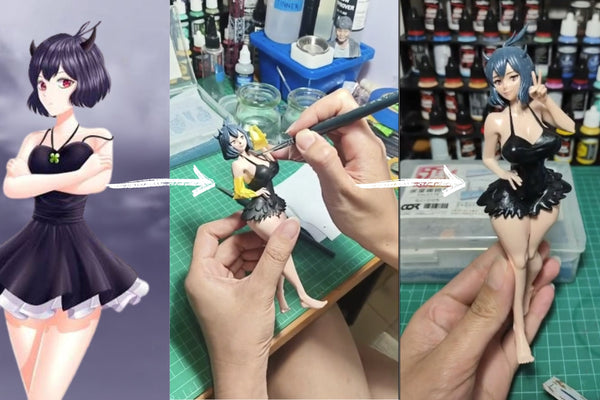
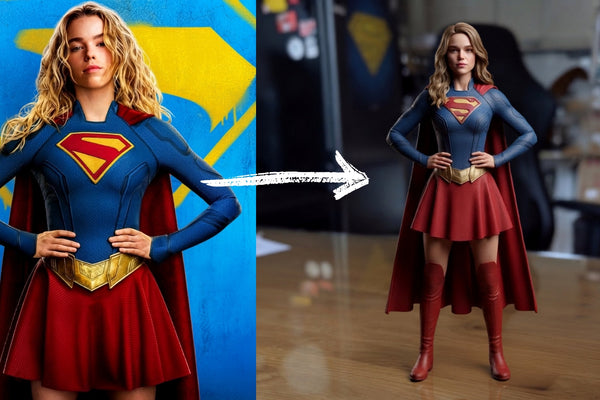
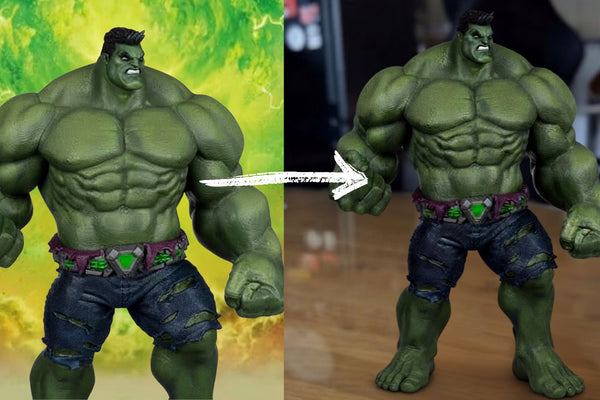
Figuro specializes in transforming moments into figurines and keepsakes using premium resin selected for high-detail retention and aesthetic fidelity. These materials and our hand-painted finishes are optimized for display rather than for canine mouthing. For customers seeking dog-related products, we recommend using 3D printed items as commemorative keepsakes or decorative objects rather than as chew toys.
If you require a durable, pet-safe object, seek suppliers who can certify food-contact or biocompatible materials such as certain grades of PETG, TPU, or certified nylons. Figuro can advise on design choices and material suitability for non-chew commemorative items. Additionally, our ordering process includes a 100% preview satisfaction guarantee prior to printing, and we offer free delivery to the US, China, Thailand, Singapore, India, and Malaysia.
Conclusion and Practical Guidance
3D printed dog toys can be safe when materials, design, and processing are aligned with pet-safety principles. The principal determinants of safety are material composition, mechanical robustness, and avoidance of toxic post-processing. For aggressive chewers and unsupervised play, prefer commercially tested chew toys. For commemorative or aesthetic objects, 3D printing provides unique customization options.
Call to action: To explore custom figurines or to consult about material choices for pet-related projects, visit Figuro or start a custom order. Our team is available to advise on design and material suitability so you can make an informed decision that protects your pet while preserving cherished moments.
Bring Your Best Memories into the 3D World
Tired of looking at your favorite moments through a glass screen? Turn those unforgettable photos into something you can actually touch, hold, and display forever. Whether you're chasing jaw-dropping realism with our Realistic 3D Figurines, adding a fun twist to your desk space with a Custom Bobblehead Figurine, or celebrating a milestone love story with a Personalized Anniversary Couple Gift, we custom-sculpt every single piece to tell your unique story.
👉 Explore Figuro's Full Collection & Start Crafting Yours Today!