


Introduction
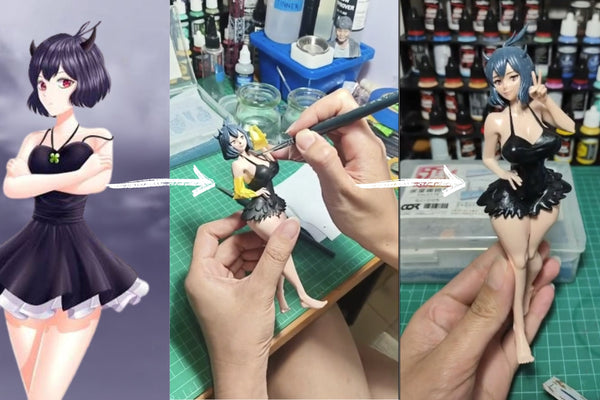
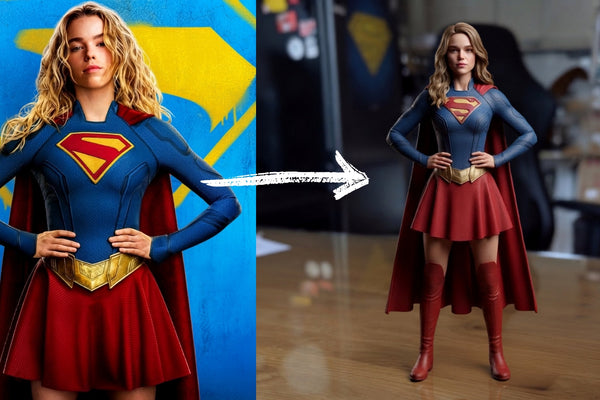
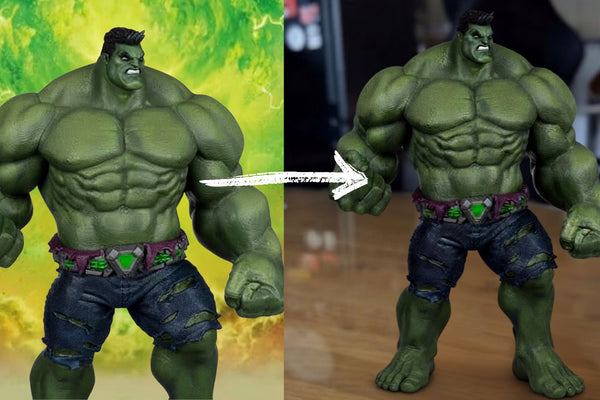
Custom action figures constitute a distinct intersection of personal expression, collectible craftsmanship, and advanced fabrication technology. This article provides a methodical, step-by-step exposition on how to obtain custom action figures made, with emphasis on 3D scanning, digital sculpting, material selection, and production workflows. Readers will acquire a clear procedural understanding that can be applied whether commissioning a single bespoke piece or ordering a small production run.
Understanding the Core Components
Before commissioning a custom action figure, it is prudent to become familiar with the principal components that determine final quality and cost.
Design and Reference Materials
A comprehensive design brief significantly improves the probability of a satisfactory result. Include high-resolution photographs from multiple angles, clear descriptions of intended pose and articulation, clothing references, and any unique accessories. If the figure represents a fictional character, supply concept art, color palettes, and authoritative references for proportion and styling.
Digital Modeling and Sculpting
Most contemporary custom figure production utilizes digital sculpting software such as ZBrush or Blender. The digital model is the canonical artifact from which all downstream processes derive. Ensure that the artist or service provider demonstrates experience in hard-surface and organic modeling, topology optimization for printing, and the creation of separate parts for articulation or painting.
3D Printing and Material Selection
The printing modality and material selection are decisive. For high-fidelity figurines, resin-based stereolithography (SLA) or digital light processing (DLP) technologies offer superior surface detail and dimensional accuracy. Premium resin yields fine detail retention and consistent results for small scales. When material longevity or flexible joints are required, consider combining rigid resin for the body with thermoplastic elastomer components for articulated sections.
Step-by-Step Production Workflow
Step 1: Concept and Specification
Formulate a detailed specification document that enumerates size (typical ranges: 8cm to 22cm), desired finish (realistic colored 3D printed or hand painted), articulation requirements, and optional customizations such as bespoke outfits or bases. Clear specifications enable accurate quotations and reduce revision cycles.
Step 2: 3D Scanning or Photogrammetry (Optional)
For figures intended to replicate a specific person or pet, three-dimensional capture through structured light scanning or photogrammetry accelerates the initial modeling phase. High-quality scans reduce interpretive errors, but they usually require cleanup and retopology. Commissioning parties should provide consent for likeness reproduction where applicable.
Step 3: Digital Sculpt and Preview
The commissioned artist will produce a detailed digital sculpt and often present a rendered preview. At this stage, evaluate proportions, facial likeness, clothing fidelity, and pose dynamics. Reputable services offer iterative revisions. Figuro, for example, provides a customer approval step with a preview; the company facilitates up to a defined number of revisions and offers a 100% refund if the preview is unsatisfactory prior to printing.
Step 4: Engineering for Production
Once the sculpt is approved, the model must be engineered for printing and assembly. This includes splitting the model into print-friendly parts, preparing support structures, designing internal pegs or joints for articulation, and accounting for paint masking where multiple finishes are required. Tolerances and registration features should be explicitly defined to ensure consistent assembly.
Step 5: Printing, Post-Processing, and Painting
High-resolution SLA/DLP prints are post-processed through washing, curing, and support removal. Surface refinement, such as light sanding and priming, precedes color application. Options include direct full-color 3D printing for photo-realistic results, or hand painting by skilled artists for a handcrafted aesthetic. Hand-painted finishes often add perceived value and character, especially for personalized gifts or memorial pieces.
Step 6: Assembly and Quality Control
Final assembly involves bonding, installing articulated joints where applicable, and affixing accessories. A quality control inspection should verify dimensional accuracy, paint fidelity, and mechanical reliability. Reliable providers include packaging and protective measures to ensure safe transit; some services include free shipping to multiple regions as part of the purchase.
Cost Factors and Timeline
Several variables influence both cost and lead time. Complexity of sculpt, level of articulation, size, number of revisions, and finish type are primary determinants. A small, fixed-pose 8cm figurine with direct color printing will be less expensive and faster to produce than a 22cm, multi-articulated, hand-painted figure with custom clothing. Typical lead times vary from weeks for a single-piece direct-print order to several months for highly customized, hand-painted commissions.
Selecting a Service Provider
When choosing a provider, evaluate the following criteria: portfolio quality, transparency of process, revision policy, material specifications, warranty or refund policies, and shipping terms. For sentimental or commemorative objects, seek a provider that emphasizes careful communication and preview approval. Figuro embodies this approach by specializing in custom 3D printed figurines that transform photos into tangible keepsakes, offering sizes from 8cm to 22cm, premium resin material, and options for realistic colored printing or hand-painted finishes.
Practical Considerations and Best Practices
Legal and Ethical Considerations
Verify intellectual property and likeness rights before commissioning replicas of copyrighted characters or recognizable public figures. For commercial distribution of derivative works, seek explicit licensing agreements.
Preservation and Display
Premium resin is durable but benefits from controlled display conditions. Avoid prolonged exposure to direct sunlight and extreme temperatures. Consider bespoke display bases or protective cases to preserve coloration and structural integrity.
Conclusion and Recommended Next Steps
Commissioning custom action figures merges creative intent with precise technical execution. By following a structured workflow—specifying requirements, leveraging high-quality reference materials, approving digital previews, and selecting appropriate materials—clients can obtain durable, lifelike, and meaningful figures. For those seeking a trusted partner, consider visiting Figuro to explore options, view portfolio samples, and initiate a custom order. Figuro's guarantee of a full refund if the preview is not approved provides an added assurance for clients who prioritize both quality and sentiment.
Call to action: To begin, visit Figuro and start your custom order today. Turn moments into figurines with a production process that is transparent, precise, and oriented toward lasting keepsakes.
Bring Your Best Memories into the 3D World
Tired of looking at your favorite moments through a glass screen? Turn those unforgettable photos into something you can actually touch, hold, and display forever. Whether you're chasing jaw-dropping realism with our Realistic 3D Figurines, adding a fun twist to your desk space with a Custom Bobblehead Figurine, or celebrating a milestone love story with a Personalized Anniversary Couple Gift, we custom-sculpt every single piece to tell your unique story.
👉 Explore Figuro's Full Collection & Start Crafting Yours Today!