


The world of miniature creation has undergone a remarkable transformation with the advent of advanced 3D printing technology. Whether you are a tabletop gaming enthusiast, a model collector, or a professional miniature designer, selecting the appropriate 3D printer can significantly influence the quality and detail of your creations. This comprehensive guide explores the best 3D printers for miniatures available in 2024, examining their capabilities, specifications, and suitability for various applications.
Understanding 3D Printing Technology for Miniatures
Before delving into specific printer models, it is essential to understand the fundamental technologies employed in miniature production. Two primary methods dominate the miniature printing landscape: resin-based stereolithography (SLA/MSLA) and fused deposition modelling (FDM). For miniature applications, resin printers have emerged as the preferred choice due to their exceptional layer resolution and ability to reproduce intricate details with remarkable precision.
Resin printers utilise photopolymerisation, wherein a light source (either laser or LCD screen) selectively cures liquid resin layer by layer. This process enables the creation of miniatures with extraordinarily fine details, smooth surfaces, and dimensional accuracy that FDM printers struggle to achieve at comparable price points. The layer heights achievable with modern resin printers—often ranging from 25 to 50 microns—allow for the reproduction of facial features, textile textures, and weapon details that bring miniatures to life.
Top Resin 3D Printers for Miniature Production
Elegoo Mars 3 Pro
The Elegoo Mars 3 Pro represents an excellent entry point for hobbyists and enthusiasts seeking high-quality miniature production without excessive financial investment. Featuring a 6.6-inch 4K monochrome LCD screen with a resolution of 4098 x 2560 pixels, this printer delivers exceptional detail reproduction with an XY resolution of 35 microns. The monochrome screen technology significantly reduces exposure times compared to earlier RGB screens, enabling faster print completion whilst extending the screen's operational lifespan.
The build volume of 143.43 x 89.6 x 175 mm provides sufficient space for printing multiple miniatures simultaneously or larger display pieces. The printer's COB (Chip on Board) light source ensures uniform UV exposure across the entire build platform, minimising the occurrence of failed prints or inconsistent curing. For individuals new to resin printing, the Mars 3 Pro offers an intuitive user interface and reliable performance that facilitates the learning process.
Anycubic Photon Mono X 6K
For those requiring a larger build volume without compromising on resolution, the Anycubic Photon Mono X 6K presents a compelling option. Its 9.1-inch 6K monochrome LCD boasts a resolution of 5760 x 3600 pixels, translating to an impressive XY resolution of 34 microns. The expanded build volume of 197 x 122 x 245 mm allows for the simultaneous production of numerous miniatures or the creation of larger terrain pieces and dioramas.
The Photon Mono X 6K incorporates a dual linear rail system that enhances Z-axis stability, resulting in improved layer consistency and reduced print failures. The printer's LighTurbo matrix light source provides powerful and uniform UV exposure, ensuring thorough curing even for challenging resin formulations. This model represents an excellent choice for serious hobbyists or small-scale commercial operations requiring both quality and productivity.
Phrozen Sonic Mini 8K
The Phrozen Sonic Mini 8K stands at the forefront of miniature printing technology, offering unprecedented resolution in a compact form factor. Its 7.1-inch 8K LCD screen delivers a remarkable resolution of 7520 x 4320 pixels, achieving an XY resolution of 22 microns—among the finest available in the consumer market. This extraordinary resolution enables the reproduction of details that approach the limits of visual perception, including individual scales on fantasy creatures, facial expressions on 28mm gaming miniatures, and intricate jewellery components.
Despite its advanced capabilities, the Sonic Mini 8K maintains a relatively modest build volume of 165 x 72 x 180 mm, optimised specifically for miniature and small model production. The printer features Phrozen's proprietary ParaLED matrix light source, which provides exceptional uniformity and intensity control. For miniature painters and collectors who demand the absolute highest quality in their prints, the investment in this premium device is readily justified by the superior results it produces.
Key Specifications to Consider
Resolution and Layer Height
When evaluating 3D printers for miniature production, XY resolution (the horizontal detail capability) and Z-axis layer height (vertical layer thickness) constitute the most critical specifications. For miniatures, an XY resolution below 50 microns is generally recommended, whilst layer heights between 25 and 50 microns provide optimal results. Higher resolutions enable the reproduction of finer details but may increase printing duration, necessitating a balance between quality and productivity based on individual requirements.
Build Volume Considerations
Whilst miniatures are inherently small, build volume remains an important consideration. A larger build platform allows for the simultaneous printing of multiple figures, enhancing efficiency and reducing the time investment required for producing entire armies or collections. However, excessively large build volumes may compromise resolution or increase printer cost. Most miniature enthusiasts find that build volumes between 130 x 80 x 150 mm and 200 x 125 x 250 mm provide an appropriate balance.
Screen Technology and Lifespan
Modern resin printers predominantly employ monochrome LCD screens rather than older RGB technology. Monochrome screens offer substantially longer operational lifespans (typically 2000+ hours compared to 500 hours for RGB), faster print speeds due to reduced exposure times, and improved UV transmission efficiency. When selecting a printer, prioritising models with monochrome screens represents a prudent investment that reduces long-term operational costs.
Material Selection: Premium Resin Quality
The quality of printed miniatures depends not only upon printer specifications but also upon the resin formulation employed. Premium resins designed specifically for miniature production offer superior detail retention, reduced brittleness, and improved post-processing characteristics. High-quality resins typically feature lower viscosity, enabling better flow and detail reproduction, along with balanced mechanical properties that prevent excessive fragility whilst maintaining sufficient rigidity for painting and handling.
When working with fine-detail miniatures, consider resins specifically formulated for model making, which often incorporate additives that enhance surface finish and dimensional stability. Whilst premium resins command higher prices than standard formulations, the improvement in final quality justifies the additional expense for serious miniature enthusiasts and professionals.
Post-Processing Requirements
Successful miniature production extends beyond the printing process itself, encompassing essential post-processing steps. All resin prints require washing to remove uncured resin from surfaces, typically accomplished using isopropyl alcohol or specialised cleaning solutions. Following washing, prints must undergo post-curing under UV light to achieve full mechanical strength and stability.
Support removal represents another critical stage in miniature finishing. Supports are necessary structures that prevent print failure by anchoring overhanging features during the printing process. Careful support placement and removal are essential to avoid damaging delicate details. Many printers include slicing software with automatic support generation, though manual refinement often yields superior results for complex miniatures.
Alternative Solution: Professional 3D Printing Services
Whilst owning a personal 3D printer offers flexibility and creative control, it also entails significant considerations including initial equipment investment, learning curve navigation, material costs, maintenance requirements, and workspace allocation for resin handling and ventilation. For individuals seeking high-quality miniatures without these commitments, professional 3D printing services present a compelling alternative.
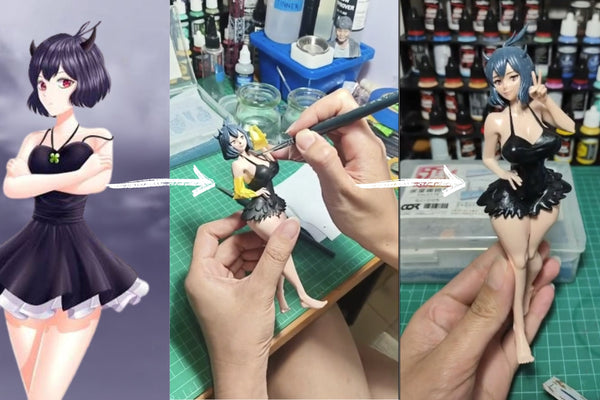
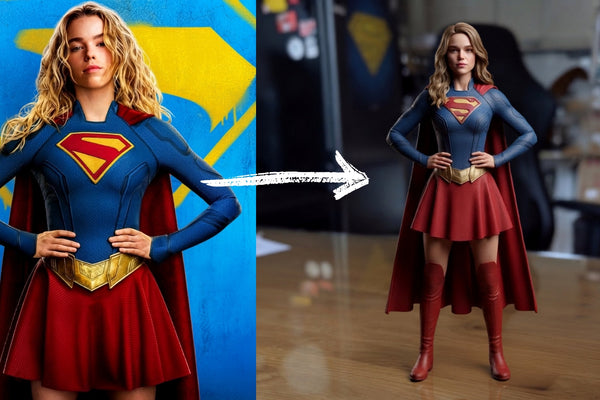
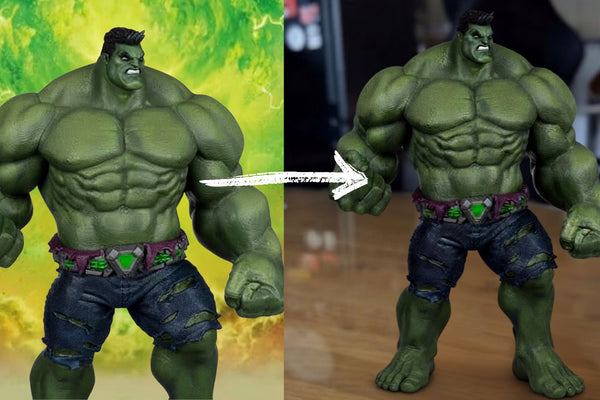
At Figuro, we specialise in transforming digital designs into premium physical miniatures using advanced resin 3D printing technology. Our custom figurine service accommodates various applications, from personalised gaming miniatures to commemorative keepsakes. Whether you require a single bespoke figure or multiple custom pieces, our process ensures exceptional detail retention and finish quality. We offer sizes ranging from 8cm to 22cm, with options for realistic coloured 3D printing and hand-painted finishes that bring your vision to life.
Our premium resin material delivers the fine detail retention essential for miniature work, whilst our experienced team handles all technical aspects of file preparation, support placement, printing, and post-processing. With a 100% satisfaction guarantee—offering full refunds if you are not satisfied with the preview before production begins—and free delivery to the US, China, Thailand, Singapore, India, and Malaysia, Figuro provides a hassle-free path to obtaining professional-quality custom miniatures.
Making the Right Choice for Your Needs
Selecting the optimal 3D printer for miniature production depends upon multiple factors including budget constraints, desired output quality, production volume requirements, available workspace, and technical expertise. Entry-level models such as the Elegoo Mars 3 Pro offer excellent value for beginners and hobbyists, whilst advanced systems like the Phrozen Sonic Mini 8K cater to professionals and enthusiasts demanding maximum detail reproduction.
Consider your specific application requirements carefully. Tabletop gaming enthusiasts requiring numerous identical troops may prioritise build volume and printing speed, whilst collectors focusing on display-quality individual pieces should emphasise resolution and detail capability. Budget allocation should account not only for initial printer acquisition but also for ongoing consumables including resin, replacement screens, and cleaning materials.
Conclusion
The current generation of resin 3D printers has democratised miniature production, enabling hobbyists and professionals alike to create figures with detail and quality that rival traditional manufacturing methods. Whether you choose to invest in your own printing equipment or utilise professional services, the possibilities for custom miniature creation have never been more accessible or exciting.
If you are seeking exceptional custom miniatures without the complexity of owning and operating your own printer, we invite you to explore what Figuro can create for you. Visit getfiguro.com to discover how we can transform your ideas into beautifully detailed, premium resin figurines that capture every nuance of your vision. Turn your concepts into tangible creations with Figuro's expert 3D printing service.
Bring Your Best Memories into the 3D World
Tired of looking at your favorite moments through a glass screen? Turn those unforgettable photos into something you can actually touch, hold, and display forever. Whether you're chasing jaw-dropping realism with our Realistic 3D Figurines, adding a fun twist to your desk space with a Custom Bobblehead Figurine, or celebrating a milestone love story with a Personalized Anniversary Couple Gift, we custom-sculpt every single piece to tell your unique story.
👉 Explore Figuro's Full Collection & Start Crafting Yours Today!