


The Ascent of 3D Printing: Crafting Toys and Collectibles with Precision
The landscape of toy manufacturing has undergone a profound transformation, propelled by the advent and increasing sophistication of 3D printing technology. Once confined to industrial prototyping, 'additive manufacturing' has democratized toy creation, enabling enthusiasts, independent designers, and large-scale manufacturers alike to realize intricate designs with unprecedented efficiency and personalization. This article explores the multifaceted impact of 3D printing on the toy industry, delving into its applications, technological advancements, and the innovative possibilities it presents for future generations of playthings and collectibles.
The Evolution of Toy Manufacturing with 3D Printing
Traditionally, toy production relied on 'subtractive manufacturing' processes like injection molding, which necessitate high upfront costs for tooling and molds. This model favored mass production of identical items, limiting customization and making small-batch runs economically unfeasible. 3D printing, however, has fundamentally shifted this paradigm.
Prototyping and Rapid Iteration
One of the most significant contributions of 3D printing to the toy industry lies in 'rapid prototyping'. Designers can now quickly transform digital models into tangible prototypes, allowing for immediate physical evaluation of ergonomics, aesthetics, and functionality. This iterative process drastically reduces development cycles and costs. Instead of waiting weeks or months for a mold to be fabricated and tested, a designer can print a new iteration overnight, facilitating agile design adjustments and accelerating time-to-market for novel toy concepts.
Customization and Personalization
The ability to produce unique, one-off items without significant cost penalties is where 3D printing truly excels for toys. This capability has opened doors to 'hyper-personalization', allowing consumers to design their own figurines, action figures, or even board game pieces. Imagine a child being able to create a toy that precisely matches their imaginative drawings, or a collector commissioning a bespoke rendition of a favorite character. This level of customization fosters deeper engagement and a stronger sense of ownership than mass-produced items ever could.
Small-Batch Production and Niche Markets
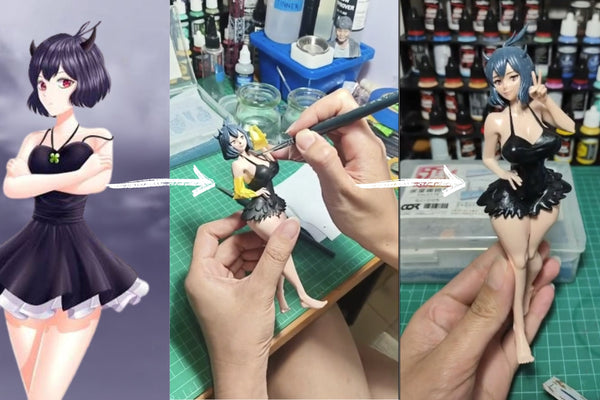
For independent creators and businesses targeting niche markets, 3D printing offers an economically viable solution. It eliminates the need for massive production runs to achieve profitability. This enables the creation of highly specialized 'collector's items', limited-edition figures, or components for 'modding' existing toys, catering to specific enthusiast communities that were previously underserved by conventional manufacturing methods. From custom vehicle models to unique anime figurines, the possibilities are extensive.
Technologies and Materials in 3D Printed Toys
The choice of 3D printing technology and material is critical in determining the quality, durability, and aesthetic appeal of the final toy.
FDM, SLA, and SLS for Toy Production
Several 3D printing technologies are employed in toy manufacturing:
- Fused Deposition Modeling (FDM): This entry-level technology uses thermoplastic filaments, ideal for 'rough prototypes' or larger, less detailed toys where strength is prioritized over fine features. While accessible, FDM often exhibits visible layer lines.
- Stereolithography (SLA): SLA printers utilize UV lasers to cure liquid resin layer by layer. This method is renowned for producing exceptionally smooth surfaces and intricate details, making it highly suitable for 'detailed figurines', 'miniatures', and 'collector-grade toys'. The resulting models boast a high degree of fidelity to the digital design.
- Selective Laser Sintering (SLS): SLS uses a laser to fuse powdered material, typically nylon, into solid objects. It produces strong, functional parts with excellent mechanical properties and no support structures, making it ideal for 'articulated toys' or 'functional toy components'.
The Importance of Material Selection
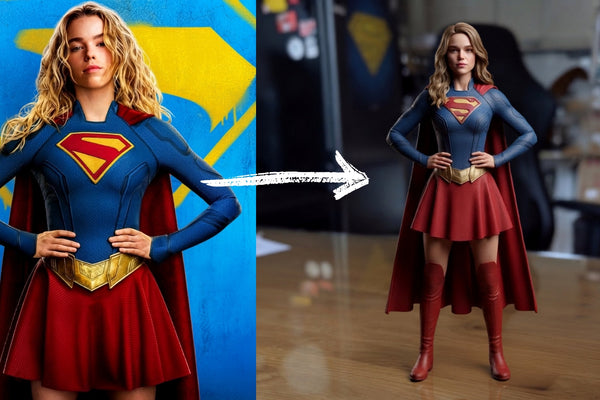
For high-quality toy figurines, the material selection is paramount. Premium resins, for instance, are frequently chosen for their ability to retain 'fine detail', capture subtle textures, and provide a smooth finish that is amenable to painting. These resins ensure that intricate elements, such as facial expressions on custom human figurines or intricate armor on superhero models, are accurately represented. The durability of the material is also a key consideration, ensuring the longevity of the finished product, whether it is a beloved pet figurine or a wedding cake topper designed to last a lifetime.
The Benefits of 3D Printing for Toy Enthusiasts and Businesses
The advantages of integrating 3D printing into the toy ecosystem are manifold, extending beyond mere manufacturing capabilities.
Unprecedented Detail and Accuracy
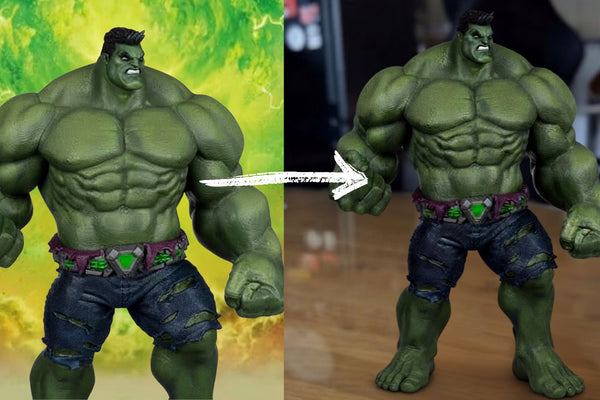
Modern 3D printing technologies, especially SLA, can achieve resolutions that allow for astonishing levels of detail. This precision means that complex anatomical structures, intricate costume designs, or even the nuanced expressions on a custom bobblehead can be replicated with remarkable accuracy, elevating the quality of mass-produced and custom '3D printed toys' alike.
Accessibility for Independent Creators
The reduced barriers to entry for manufacturing have empowered a new generation of 'toy designers' and 'independent artists'. With access to affordable 3D printers and online marketplaces, these creators can conceptualize, design, and produce their own lines of unique toys, bypassing traditional industry gatekeepers. This fosters innovation and diversity in the toy market.
Sustainability Considerations
3D printing can contribute to more sustainable manufacturing practices. By producing only what is needed, it reduces material waste compared to traditional methods that often involve significant scrap. Furthermore, the ability to print replacement parts can extend the life of existing toys, mitigating the 'throwaway culture' and encouraging resource efficiency.
Figuro's Role in the Custom Figurine Revolution
As pioneers in turning moments into tangible keepsakes, Figuro (getfiguro.com) stands at the forefront of the custom figurine revolution, embodying the full potential of 3D printing for personalized creations. Leveraging cutting-edge 3D printing technology and premium resin materials, Figuro transforms cherished photographs into exquisite, lifelike figurines. Whether commemorating a special human, couple, or family moment, celebrating a beloved pet, or honoring a celebrity or anime character, Figuro specializes in creating 'custom 3D printed figurines' that capture the essence of your memories.
Each Figuro figurine, available in sizes ranging from 8cm (3.1") to 22cm (8.7"), is a testament to quality and personalization. Customers can choose between realistic colored 3D printed options or opt for a meticulously 'hand-painted finish' by skilled artists, ensuring every detail, from custom poses to unique outfits, is perfectly rendered. The premium resin material ensures high quality and 'fine detail retention', making each figurine a durable and cherished artifact. Figuro's commitment to customer satisfaction is underscored by a '100% refund guarantee' if you are not delighted with the preview before printing commences. With 'free delivery' to key regions including the US, China, Thailand, Singapore, India, and Malaysia, Figuro makes it effortless to 'turn moments into figurines', creating perfect, meaningful gifts or treasured additions to any collection.
Overcoming Challenges and Future Prospects
Despite its numerous advantages, 3D printing in toy manufacturing faces challenges, including material limitations for certain applications (e.g., extremely flexible toys) and the relatively slower production speed compared to injection molding for mass-market items. However, ongoing research in material science and advancements in print speed are continually addressing these limitations. The future of 3D printing in toys looks promising, with potential for multi-material printing, embedded electronics, and even 'bioprinted' toys using sustainable, organic materials.
Conclusion
The question, 'Has anyone used a 3D printing machine to make toys?' is unequivocally answered with a resounding yes, and the applications are expanding exponentially. From rapid prototyping to empowering 'individual creators' and producing 'highly detailed collector's items', 3D printing has irrevocably reshaped the toy industry. It offers unparalleled opportunities for customization, innovation, and direct consumer engagement. As technology continues to evolve, the imaginative potential for '3D printed toys' is boundless, promising a future where playthings are not just manufactured, but truly brought to life with precision and personal touch. To explore how your cherished moments can be transformed into stunning, tangible keepsakes, visit Figuro and begin your custom figurine journey today.
Bring Your Best Memories into the 3D World
Tired of looking at your favorite moments through a glass screen? Turn those unforgettable photos into something you can actually touch, hold, and display forever. Whether you're chasing jaw-dropping realism with our Realistic 3D Figurines, adding a fun twist to your desk space with a Custom Bobblehead Figurine, or celebrating a milestone love story with a Personalized Anniversary Couple Gift, we custom-sculpt every single piece to tell your unique story.
👉 Explore Figuro's Full Collection & Start Crafting Yours Today!