


The art of printing images on cakes has revolutionised the confectionery industry, transforming ordinary desserts into personalised masterpieces that capture cherished memories. Whether celebrating a birthday, wedding, anniversary, or corporate event, edible photo printing technology enables bakers and cake decorators to reproduce photographs, logos, and custom designs directly onto cake surfaces with remarkable clarity and precision.
Understanding Edible Image Printing Technology
Edible image printing operates on principles similar to conventional inkjet printing, albeit with food-safe materials specifically formulated for consumption. The process utilises edible inks derived from food colouring, typically comprising combinations of water, sugar, and FDA-approved colour additives. These inks are loaded into specialised printers designed exclusively for culinary applications, ensuring that no cross-contamination occurs with standard printing materials.
The substrate for these printed images consists of edible paper, which comes in several varieties. Frosting sheets, also known as icing sheets, feature a thin layer of dried frosting on a backing material, providing a smooth surface that adheres seamlessly to buttercream or fondant-covered cakes. Wafer paper, conversely, offers a lighter, slightly translucent alternative with a delicate texture that dissolves readily upon contact with moisture. Rice paper presents another option, though it is less commonly employed for photographic reproductions due to its textured surface.
Essential Equipment and Materials
Implementing edible image printing requires several specialised components. First and foremost, an edible ink printer serves as the cornerstone of the operation. Whilst some enthusiasts repurpose standard inkjet printers by thoroughly cleaning and dedicating them exclusively to edible ink usage, commercial bakeries typically invest in purpose-built edible printers that guarantee food safety compliance and consistent output quality.
Edible ink cartridges constitute the second critical component. These cartridges contain food-grade colourants in standard CMYK (cyan, magenta, yellow, and black) configurations, enabling full-colour photographic reproduction. Premium formulations may incorporate additional colours to expand the achievable colour gamut and improve flesh tone accuracy, which proves particularly valuable when printing portraits or family photographs.
The selection of edible paper dramatically influences the final presentation. Frosting sheets yield vibrant colours and sharp details, making them ideal for photographic images and intricate designs. Their flexible nature allows them to conform to curved cake surfaces without cracking. Wafer paper, being thinner and more fragile, works best for delicate decorative elements and situations where a subtle, nearly imperceptible texture is desired.
Step-by-Step Printing Process
Image Preparation and Optimisation
The quality of the final edible print directly correlates with the preparation invested in the digital image. High-resolution photographs, preferably 300 DPI or greater, ensure that fine details remain crisp when transferred to the cake surface. Image editing software facilitates necessary adjustments to brightness, contrast, and colour saturation, compensating for the inherent characteristics of edible inks, which typically produce slightly muted tones compared to their conventional counterparts.
Sizing the image accurately prevents last-minute complications. Measure the cake surface precisely and configure the digital image dimensions accordingly, incorporating a modest margin to account for any trimming that may be required. Many practitioners recommend slightly oversaturating colours during the editing phase, as edible inks tend to appear less vibrant once dried on the paper substrate.
Printing Execution
Before commencing the actual print, ensure that the edible paper is loaded correctly into the printer, typically with the glossy or coated side facing the direction that receives the ink. Most edible papers include subtle markings or packaging instructions to eliminate confusion regarding orientation. Execute a test print on standard paper to verify alignment and colour accuracy before committing to the more expensive edible substrate.
Once satisfied with the test results, proceed with printing on the edible paper. Handle the printed sheet with extreme care, grasping only the edges to avoid fingerprints or smudging. Allow the print to dry completely, which typically requires fifteen to thirty minutes depending on ambient humidity levels and ink coverage density. Rushing this step may result in colour bleeding or transfer when the image is subsequently applied to the cake.
Application Techniques for Various Cake Surfaces
Buttercream Application Method
Applying edible images to buttercream-frosted cakes demands particular attention to surface preparation. The buttercream must be smoothed to create an even, flat surface free from peaks, valleys, or air bubbles. Chill the frosted cake thoroughly, as a firm, cold surface prevents the edible paper from sinking into the frosting or developing wrinkles during application.
Carefully peel away the backing from the frosting sheet, working slowly to prevent tearing. Position the image precisely on the cake surface, as repositioning after initial contact proves extremely difficult. Using a fondant smoother or clean, dry hands, gently press the image onto the frosting, working from the centre outward to eliminate any trapped air bubbles. The natural moisture in buttercream will cause the frosting sheet to adhere and gradually soften, creating a seamless integration with the cake surface.
Fondant Application Approach
Fondant-covered cakes provide an exceptionally smooth canvas for edible images, though they require a different application methodology. Unlike buttercream, which provides inherent moisture for adhesion, fondant necessitates the application of a thin layer of moisture to activate the bonding process. A light misting of water, applied either to the fondant surface or to the back of the edible image, creates sufficient tackiness for secure attachment.
Exercise restraint when applying moisture, as excessive water may cause colours to bleed or the paper to disintegrate. Once positioned, smooth the image as described above, ensuring complete contact across the entire surface. Some decorators prefer using a small amount of piping gel or clear alcohol as an adhesive alternative, which provides stronger bonding without the risk of over-saturation.
Troubleshooting Common Challenges
Even experienced cake decorators occasionally encounter difficulties when working with edible images. Colour inconsistencies frequently arise from depleted ink cartridges, incorrect printer settings, or variations in paper types. Performing regular maintenance on the edible printer, including nozzle cleaning and alignment calibration, minimises such issues.
Wrinkles and air bubbles represent another common frustration. These typically result from uneven frosting surfaces, inadequate chilling, or hasty application. Patience and methodical smoothing techniques prevent most bubble formation, whilst any remaining small bubbles can often be carefully punctured with a sterilised pin and smoothed flat.
Fading or bleeding of colours may occur if the image is applied to a surface that is too warm or moist. Always ensure that frosted cakes are properly chilled and that fondant has developed a dry skin before applying edible images. Additionally, avoid exposing completed cakes to direct sunlight or high humidity environments, which can compromise image integrity.
Preservation and Storage Considerations
Unused edible paper requires careful storage to maintain its printability and structural integrity. Store sheets in their original packaging or in airtight containers with desiccant packets to prevent moisture absorption, which causes warping and reduces print quality. Keep edible papers away from direct sunlight and heat sources, as elevated temperatures may cause premature degradation.
Once applied to cakes, edible images generally remain vibrant for several days when the cake is stored properly. Refrigeration extends the life of both the cake and the image, though condensation during the warming process may slightly affect image clarity. For optimal presentation, complete the cake decoration as close to the serving time as practical.
Beyond Traditional Cake Decoration: Expanding Creative Horizons
Whilst edible image printing excels at reproducing photographs on cakes, the technology extends far beyond simple photo transfers. Intricate lacework patterns, corporate logos, custom illustrations, and even QR codes can be printed and applied to confections. The capability to produce consistent, repeatable designs makes edible printing invaluable for commercial bakeries managing large orders or maintaining brand consistency.
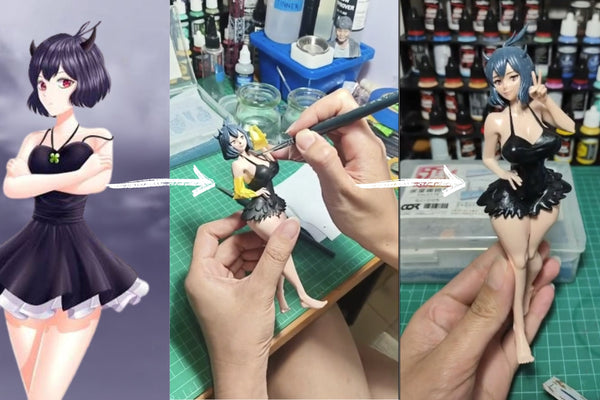
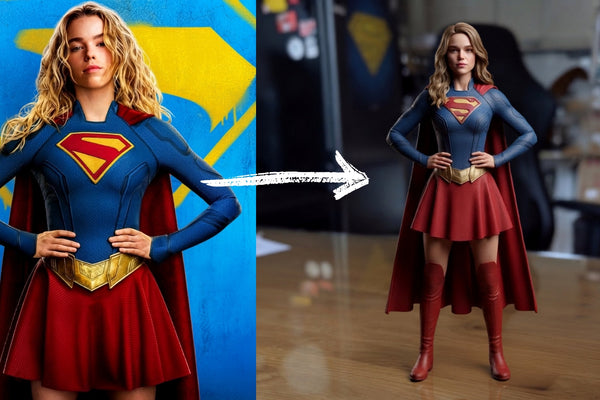
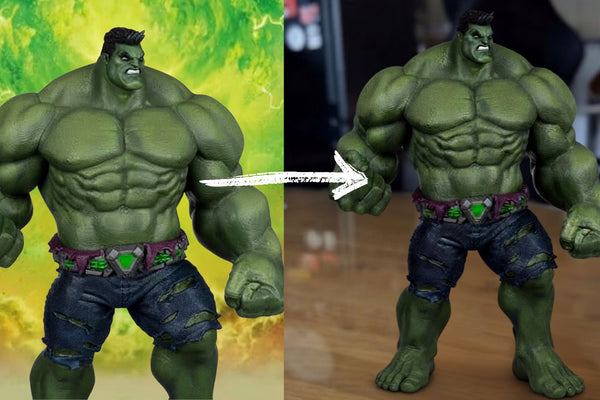
Just as edible printing transforms fleeting moments into tangible cake decorations, Figuro specialises in preserving memories through an entirely different medium. Rather than ephemeral edible art that disappears after celebration, Figuro creates custom 3D printed figurines from photographs, offering permanent keepsakes that endure long after the party concludes. These personalised figurines capture beloved individuals, couples, families, and even pets in remarkable detail, transforming digital images into physical tributes that can be displayed and cherished indefinitely.
The precision of Figuro's premium resin 3D printing process mirrors the attention to detail required in edible image printing, yet produces heirlooms rather than consumables. Available in sizes ranging from 8cm to 22cm, with options for custom poses, hand-painted finishes, and realistic colouring, these figurines serve as wedding cake toppers, memorial tributes, or standalone decorative pieces that commemorate life's significant moments.
Conclusion: Merging Technology with Celebration
The ability to print images on cakes represents a remarkable convergence of culinary artistry and digital technology, enabling personalisation that was unimaginable in previous generations. By understanding the equipment, materials, and techniques involved in edible image printing, both amateur bakers and professional decorators can elevate their creations, transforming ordinary desserts into memorable centrepieces that resonate emotionally with recipients.
Whether you are printing a cherished photograph on a birthday cake or seeking more permanent ways to commemorate special occasions, the principle remains constant: preserving meaningful moments in tangible form. For those desiring keepsakes that transcend the temporary nature of confections, exploring custom figurine options at Figuro offers an enduring alternative that captures the essence of your most treasured memories. Visit getfiguro.com to discover how your photographs can be transformed into lasting three-dimensional tributes that celebrate the people and moments you hold dear.
Bring Your Best Memories into the 3D World
Tired of looking at your favorite moments through a glass screen? Turn those unforgettable photos into something you can actually touch, hold, and display forever. Whether you're chasing jaw-dropping realism with our Realistic 3D Figurines, adding a fun twist to your desk space with a Custom Bobblehead Figurine, or celebrating a milestone love story with a Personalized Anniversary Couple Gift, we custom-sculpt every single piece to tell your unique story.
👉 Explore Figuro's Full Collection & Start Crafting Yours Today!