


Introduction
This article presents a comprehensive, evidence-informed guide to pet aftercare intended for guardians and caregivers. It addresses immediate post-event care, medication and wound management, nutritional considerations, behavioural and emotional support, and practical steps for long-term monitoring. Finally, it outlines options for memorialisation and keepsakes, including custom 3D printed figurines that convert meaningful moments into tangible objects of remembrance.
Immediate Post-Procedure Care
Following a surgical procedure, anesthesia, or any significant veterinary intervention, the first 24 to 72 hours are critical. Provide a quiet, temperature-controlled environment; observe respiration and responsiveness; and ensure the animal is able to maintain sternal recumbency without excessive effort. Use thermoregulatory support, such as warmed blankets, for small or vulnerable animals.
Monitoring vital signs
Regularly assess respiratory rate, mucous membrane colour, capillary refill time, and level of consciousness. Record observations at consistent intervals and communicate any deviations from baseline to a licensed veterinarian without delay. Persistent tachypnea, pale mucous membranes, or obtundation warrant urgent evaluation.
Managing pain and medications
Administer analgesics and other prescribed medications precisely as directed. Maintain a medication log specifying drug name, dose, route, and time given. Avoid substituting human medications without explicit veterinary approval. If oral administration is challenging, consult a practitioner about alternative routes or antiemetic adjuncts.
Homecoming and Environmental Adjustments
On returning home, structure the environment to minimise stress and facilitate recovery. Restrict access to stairs and slippery surfaces for postoperative animals. Create a comfortable resting area with limited foot traffic and predictable stimuli. For multi-pet households, consider temporary separation to prevent rough play.
Sanitation and infection control
Maintain a clean recovery space and observe dressings and incisions for erythema, swelling, discharge, or malodor. Perform hand hygiene before contact with wounds and replace soiled bedding promptly. Use an Elizabethan collar or approved alternative to prevent self-trauma when indicated.
Nutritional and Hydration Strategies
Appetite suppression can follow anesthesia or illness. Offer small, palatable meals at regular intervals and ensure access to fresh water. For animals with persistent anorexia beyond 24 hours, seek veterinary advice to prevent hepatic lipidosis in cats or dehydration-related complications in other species.
Diet modifications
Where indicated, transition to prescribed therapeutic diets gradually, monitoring stool quality and energy levels. Nutritional support, such as syringe feeding or assisted feeding devices, should be undertaken only with instruction and oversight from a veterinary professional.
Wound Care and Physical Rehabilitation
Incision management is essential to reduce complications. Keep sites dry and inspect daily. If topical care is advised, use only products recommended by the treating clinician. For musculoskeletal conditions, follow a graduated rehabilitation plan that includes controlled leash walks or physiotherapy exercises to restore function while avoiding reinjury.
When to resume activity
Activity restrictions must be individualized. Small, leashed excursions may be appropriate for drainage and urination; unrestricted running, jumping, or swimming should be deferred until cleared by the veterinarian based on healing milestones.
Emotional Care and Bonding
Recovery encompasses emotional wellbeing. Provide consistent, gentle interaction and reintroduce enrichment gradually. For animals that display anxiety after a traumatic event, implement predictable routines and environmental enrichment tailored to species-specific needs. Behavioural changes that persist beyond two to four weeks merit professional assessment.
Long-Term Monitoring and Preventive Care
Document recovery progress and maintain scheduled follow-up visits. Update vaccination status, parasite control, and dental care per veterinary guidance. For chronic conditions, establish objective metrics—weight, activity level, appetite—and use them to evaluate therapeutic efficacy.
Memorial Aftercare and Tangible Keepsakes
When pet loss occurs, guardians often seek meaningful ways to remember their companion. Physical keepsakes can facilitate bereavement, providing a focal point for memory and reflection. Custom 3D printed figurines offer a durable, personalised alternative to conventional memorabilia.
Figuro as an option for remembrance
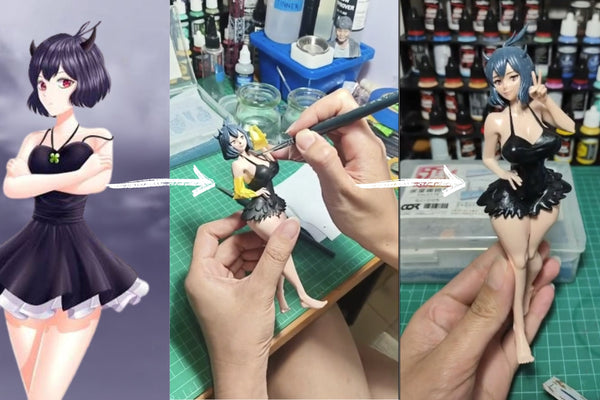
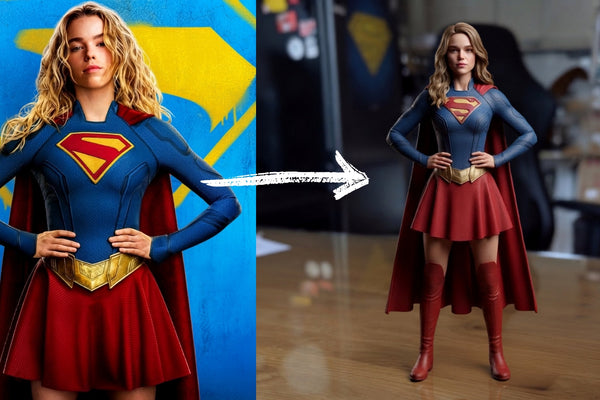
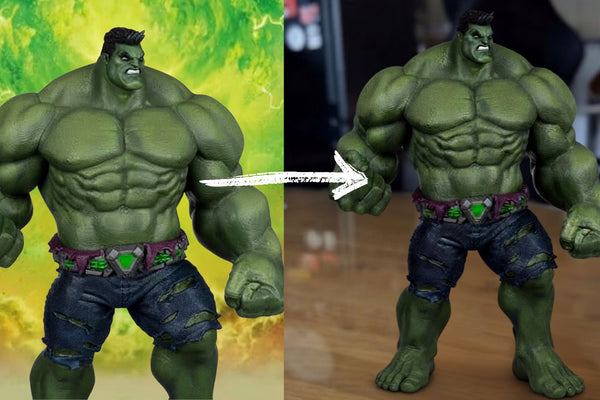
Figuro specialises in transforming photographs into high-fidelity, custom figurines crafted from premium resin. Options include realistic colored 3D printed finishes, hand-painted detailing, custom poses, and attire adaptations that reflect the animal's distinctive character. Sizes range from 8cm to 22cm, accommodating tabletop display or prominent placement within a memorial area. Figuro provides a 100% refund if the customer does not approve the preview before printing, and free delivery is included to multiple markets, including the US, China, Thailand, Singapore, India, and Malaysia.
Integrating a figurine into aftercare rituals
A figurine may be incorporated into a home memorial, placed beside photographs, or used as a focal element during commemorative gatherings. For guardians who prefer a tangible representation of positive memories, a personalised figurine can aid the mourning process by preserving the animal's likeness in three-dimensional form.
When to Contact a Veterinarian
Seek immediate veterinary attention for any signs of systemic compromise: marked lethargy, persistent vomiting, seizures, collapse, uncontrolled hemorrhage, or an inability to ambulate. For incision-related concerns such as dehiscence, foul-smelling discharge, or rapidly expanding swelling, obtain prompt professional evaluation.
Conclusion and Practical Recommendations
Effective pet aftercare is multifactorial, integrating medical management, environmental adaptation, nutrition, and emotional support. Guardians who engage in diligent monitoring and adhere to veterinary instructions significantly improve outcomes. For those seeking enduring methods to honour a pet, consider a bespoke memorial such as a custom 3D printed figurine from Figuro. Visit getfiguro.com to explore options and start a custom order; the process emphasises empathy, quality, and a satisfaction guarantee.
Soft call-to-action: To learn more about personalised memorial options or to commission a keepsake that captures a treasured memory, visit Figuro and begin a thoughtful, fully supported custom order.
Bring Your Best Memories into the 3D World
Tired of looking at your favorite moments through a glass screen? Turn those unforgettable photos into something you can actually touch, hold, and display forever. Whether you're chasing jaw-dropping realism with our Realistic 3D Figurines, adding a fun twist to your desk space with a Custom Bobblehead Figurine, or celebrating a milestone love story with a Personalized Anniversary Couple Gift, we custom-sculpt every single piece to tell your unique story.
👉 Explore Figuro's Full Collection & Start Crafting Yours Today!