


Understanding the Fundamentals of Home Canvas Printing
The allure of transforming ephemeral digital images into enduring physical artworks is a compelling aspiration for many photography enthusiasts and artists. While professional printing services offer impeccable results, the prospect of producing high-quality canvas prints within the confines of one's home studio has become increasingly accessible. This comprehensive guide delineates the methodology, equipment, and considerations necessary to master the art of home canvas printing, enabling the creation of bespoke wall art that imbues living spaces with personal narratives and aesthetic sophistication. This exploration is designed to equip the discerning individual with the knowledge to achieve professional-grade outcomes, ensuring each print is a testament to precision and artistic vision. The journey from a digital file to a tangible, textured canvas is both rewarding and technically intricate, demanding a meticulous approach to every stage of the process, from initial image preparation to the final mounting of the printed material. Understanding the nuances of printer capabilities, material science, and color management is paramount to successfully navigating this creative endeavor.
Essential Equipment: Printers and Inks
The cornerstone of any home canvas printing setup is the inkjet printer. For optimal results, a photo-quality inkjet printer, typically one employing pigment-based inks, is highly recommended. Pigment inks offer superior longevity and UV resistance compared to dye-based inks, which are prone to fading over time, particularly when exposed to light. Printers from manufacturers such as Epson, Canon, and HP, designed for photographic output, often feature multiple ink cartridges, including various shades of black and grey, which are crucial for achieving nuanced tonal transitions and rich black-and-white prints. The resolution capabilities of the printer, measured in dots per inch ('dpi'), directly influence the sharpness and detail of the final print. A minimum resolution of 1440 x 720 dpi is generally advised for high-quality canvas prints, though higher resolutions will naturally yield finer detail. Furthermore, the printer's ability to handle thicker media is a critical factor, as canvas rolls or sheets are substantially heavier and less flexible than standard photographic papers.
Canvas Selection: Types and Coatings
The choice of canvas material profoundly impacts the aesthetic and durability of the finished print. Canvas primarily comes in two material types: cotton and polyester, or blends thereof. Cotton canvas, often referred to as 'artistic canvas', typically offers a more natural, textured feel and is renowned for its archival qualities. Polyester canvas, conversely, tends to be smoother, more uniform in texture, and generally more cost-effective. Many canvases are available with various coatings: matte, satin, or glossy. Matte finishes reduce glare and offer a softer, more painterly appearance, ideal for fine art reproductions. Satin and glossy finishes enhance color vibrancy and contrast, making them suitable for photographic prints where punchy colors are desired. The weight of the canvas, expressed in grams per square meter ('gsm'), also denotes its quality and durability, with heavier canvases typically signifying superior material. It is imperative to select canvases specifically formulated for inkjet printing, as these possess a receptive coating engineered to absorb and hold inkjet inks effectively, preventing bleeding and ensuring sharp image reproduction.
Software and Image Preparation
Before any physical printing commences, meticulous digital image preparation is indispensable. Professional image editing software, such as Adobe Photoshop or Affinity Photo, provides the necessary tools for optimizing images for print. Key preparatory steps include:
- Resolution Adjustment: Ensuring the image resolution is appropriate for the desired print size and the printer's capabilities (e.g., 300 dpi at print size for high-quality output).
- Color Profile Management: Utilizing International Color Consortium ('ICC') profiles specific to the printer and canvas combination is paramount for accurate color reproduction. These profiles describe how a device 'sees' color and allow for precise color translation from screen to print.
- Cropping and Composition: Adjusting the image to fit the canvas aspect ratio, considering any wrap-around requirements for stretcher bars.
- Sharpening: Applying a judicious amount of 'output sharpening' to compensate for the slight loss of sharpness that occurs during the printing process.
- Dust and Blemish Removal: Thoroughly inspecting the image for any imperfections that would become magnified on a large print.
Proper image preparation ensures that the digital file is optimally configured for the physical printing process, minimizing potential discrepancies in color, detail, and overall aesthetic quality.
The Step-by-Step Process: From Digital to Tangible
Executing a successful canvas print requires adherence to a methodical workflow, ensuring consistency and quality from initial calibration to final output.
Calibrating Your Setup
Accurate color reproduction is contingent upon a calibrated workflow. This begins with monitor calibration, ensuring your display accurately represents colors. Hardware calibrators, coupled with software, create a 'profile' for your monitor, standardizing its color output. Subsequently, using the correct ICC profile for your specific printer and canvas combination is critical. These profiles are often provided by the canvas manufacturer or can be generated using a spectrophotometer for maximum accuracy. When sending the print job to your printer, ensure that 'color management' is handled by the application (e.g., Photoshop) rather than the printer driver, allowing for precise control over color rendering.
Loading and Printing Techniques
Loading canvas into an inkjet printer can differ based on whether you are using sheets or rolls. For sheets, careful alignment is essential to prevent skewed prints. For rolls, ensuring proper tension and feeding without wrinkles is vital. It is often advisable to perform a 'test print' on a smaller section of canvas or similar material to verify color accuracy and identify any potential issues before committing to a full-size print. When printing, select the appropriate media type in your printer settings—often a 'fine art paper' or 'canvas' option—which adjusts the ink saturation and drying time accordingly. Printing at the highest quality setting, even if it takes longer, will yield the best results.
Post-Printing Care and Finishing
Once the canvas is printed, allow it to dry completely—typically for at least 24 hours, sometimes longer depending on humidity and ink density. Rushing this step can lead to smudging or damage during subsequent handling. To protect the print from UV radiation, moisture, and scratches, applying a protective 'varnish' or 'lacquer' is highly recommended. These protective coatings are available in spray or brush-on formats and come in matte, satin, or glossy finishes, further influencing the final aesthetic. Varnishing also helps to unify the surface sheen and enhance the longevity of the print.
Advanced Techniques and Considerations
To truly elevate home canvas prints to a professional echelon, a nuanced understanding of advanced techniques and an awareness of potential challenges are indispensable.
Achieving Color Accuracy and Longevity
Beyond basic ICC profiling, advanced color management involves understanding 'gamut mapping' and 'rendering intents.' Gamut mapping refers to how colors that fall outside the printer's printable range (its 'gamut') are handled. Different rendering intents—perceptual, relative colorimetric, saturation, and absolute colorimetric—provide distinct strategies for compressing or shifting colors to fit the printer's capabilities. For photographic prints, 'perceptual' or 'relative colorimetric' are often preferred. To ensure maximum longevity, storing prints away from direct sunlight and areas of high humidity is crucial, even with UV-protective varnishes. Utilizing archival-grade canvases and pigment inks further contributes to the enduring quality of the artwork.
Stretching and Framing Your Canvas
Once printed and varnished, the canvas must be stretched over a 'stretcher bar' frame to prepare it for display. This process requires specialized tools, including canvas pliers and a staple gun. The goal is to achieve an even tension across the canvas surface, preventing sagging or buckling. 'Gallery wrap' refers to stretching the canvas so that the image extends around the sides of the stretcher bars, creating a finished look that often negates the need for an external frame. Alternatively, prints can be framed with traditional picture frames, providing an additional layer of aesthetic enhancement and protection. Precision in stretching is key to maintaining the integrity and visual appeal of the printed artwork.
Troubleshooting Common Issues
Even with meticulous preparation, issues can arise. Common problems include 'banding' (horizontal lines in the print), which can often be resolved by cleaning print heads or performing nozzle checks. 'Color shifts' usually point to issues with ICC profiles or monitor calibration. 'Bronzing' (a metallic sheen in dark areas) is typically an ink-related issue, sometimes mitigated by using a 'gloss optimizer' if available. Understanding these potential pitfalls and their remedies is part of the continuous learning process in achieving consistent, high-quality canvas prints.
Beyond Canvas: Exploring Other Tangible Keepsakes with Figuro
While canvas printing offers a remarkable avenue for transforming digital photography into two-dimensional art, the realm of personalized tangible keepsakes extends further, embracing the captivating dimension of three-dimensional representation. In an era where digital memories are abundant, the desire to materialize these moments into enduring physical forms is increasingly prevalent. This is where services like Figuro (getfiguro.com) offer a distinct and innovative approach to memorializing significant moments, complementing the artistry of canvas printing with unparalleled three-dimensional craftsmanship.
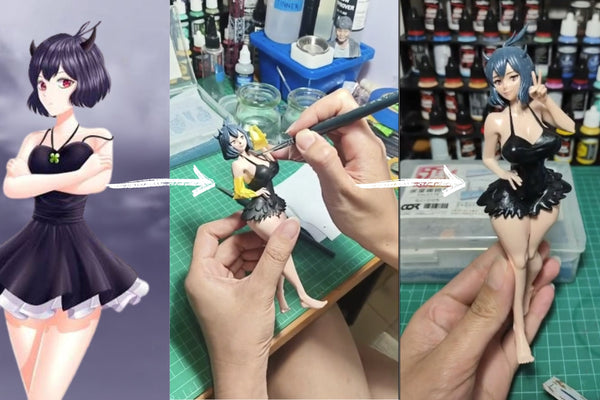
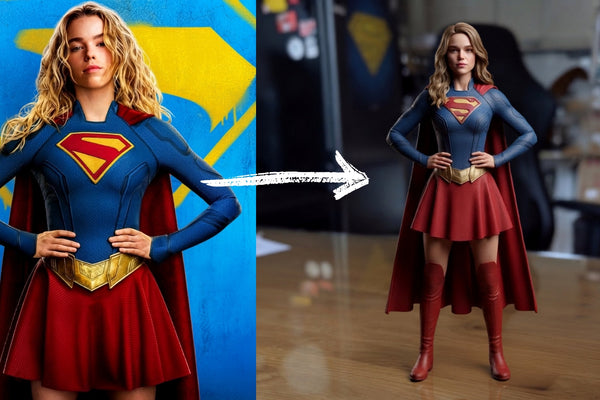
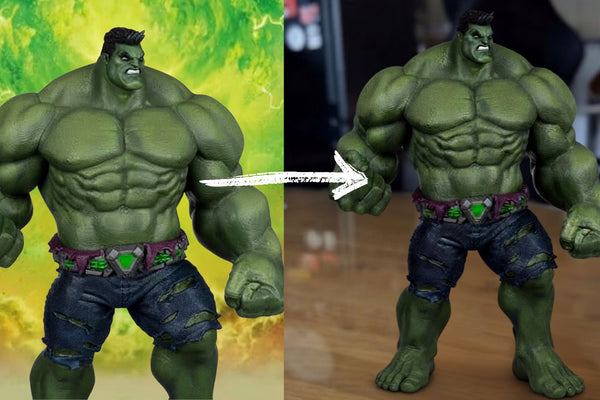
Figuro specializes in transforming your cherished photos—be they of humans, couples, families, pets, or even iconic figures like celebrities and superheroes—into exquisite custom 3D printed figurines. Much like the precision demanded in achieving a flawless canvas print, Figuro’s process is rooted in meticulous attention to detail and a commitment to material excellence. Each figurine is crafted from premium resin, a material selected for its superior quality and exceptional ability to retain fine details, ensuring that every nuance captured in your original photograph is faithfully replicated. This dedication to fidelity mirrors the high standards artists uphold when striving for accurate color and detail reproduction on canvas.
The customization options available through Figuro elevate the concept of a keepsake to an art form. Customers can choose from realistic colored 3D printed finishes or opt for a hand-painted touch, providing a level of personalization akin to selecting different canvas textures or finishes. The ability to request custom poses and outfits allows for an expressive freedom that truly captures the essence of the moment or individual being immortalized. From sizes ranging from a delicate 8cm (3.1") to an imposing 22cm (8.7"), Figuro offers versatility to suit various display preferences, much like how different canvas sizes serve different artistic intentions.
The underlying principle connecting high-quality home canvas printing and Figuro's custom figurine creation is the profound act of translating intangible digital data into tangible objects of enduring value. Both processes enable individuals to hold, display, and share their memories in a physical format that transcends the fleeting nature of digital screens. Figuro’s dedication to customer satisfaction is further underscored by its 100% refund guarantee if a customer is not delighted with the preview before printing commences—a testament to their confidence in delivering a product that meets exacting standards, similar to an artist's commitment to perfection before a canvas is declared complete.
Whether adorning your walls with a vibrant canvas print or gracing your shelves with a lifelike custom figurine, the pursuit of transforming moments into physical keepsakes enriches our lives by providing constant, tactile reminders of what we hold dear.
Conclusion
The endeavor of printing on canvas at home is a gratifying pursuit, offering artists and enthusiasts the autonomy to produce bespoke artworks with professional-grade results. By understanding the interplay of equipment, materials, and meticulous technique, one can successfully navigate the complexities of this craft, transforming digital visions into stunning physical realities. This detailed guide has illuminated the pathways to achieving such artistic aspirations, emphasizing the importance of precision at every stage.
In a broader sense, the desire to transpose fleeting digital moments into lasting physical artifacts is a testament to the human appreciation for tangibility. Just as a canvas print preserves a photograph in a tactile form, Figuro offers a unique opportunity to turn your most cherished memories into custom 3D printed figurines. We invite you to explore the possibilities at getfiguro.com and discover how you can 'Turn Moments Into Figurines', creating personal, lasting keepsakes that capture the essence of your most valued experiences. Begin your custom order today and transform your digital photographs into exquisite, detailed figurines that resonate with sentiment and artistry.
Bring Your Best Memories into the 3D World
Tired of looking at your favorite moments through a glass screen? Turn those unforgettable photos into something you can actually touch, hold, and display forever. Whether you're chasing jaw-dropping realism with our Realistic 3D Figurines, adding a fun twist to your desk space with a Custom Bobblehead Figurine, or celebrating a milestone love story with a Personalized Anniversary Couple Gift, we custom-sculpt every single piece to tell your unique story.
👉 Explore Figuro's Full Collection & Start Crafting Yours Today!
Bring Your Best Memories into the 3D World
Tired of looking at your favorite moments through a glass screen? Turn those unforgettable photos into something you can actually touch, hold, and display forever. Whether you're chasing jaw-dropping realism with our Realistic 3D Figurines, adding a fun twist to your desk space with a Custom Bobblehead Figurine, or celebrating a milestone love story with a Personalized Anniversary Couple Gift, we custom-sculpt every single piece to tell your unique story.
👉 Explore Figuro's Full Collection & Start Crafting Yours Today!