


Introduction to 18 x 24 Poster Printing
In the realm of visual communication, the 18 x 24 poster stands as a versatile and impactful medium. Its dimensions offer an ideal balance, providing ample space for intricate designs and compelling imagery without overwhelming typical display areas. This format is widely adopted across diverse sectors, ranging from academic presentations and retail promotions to artistic exhibitions and personal decor. Achieving a professional-grade 18 x 24 print, however, transcends mere design; it demands a comprehensive understanding of technical specifications, material science, and printing methodologies. This article aims to furnish a detailed guide for individuals and professionals alike, elucidating the critical parameters that govern the successful production of high-quality large-format posters. We will delve into the intricacies of file preparation, scrutinise material selections, examine printing processes, and explore post-production enhancements, all with the objective of empowering you to transform digital concepts into tangible, striking visual assets.
Essential Pre-Press Considerations
The foundation of an exemplary 18 x 24 poster print is laid during the pre-press phase. Meticulous attention to detail here prevents costly errors and ensures the final output accurately reflects the designer's intent.
Resolution and Image Quality
For large-format prints such as an 18 x 24 poster, optimal resolution is paramount. While a common guideline of 300 DPI (dots per inch) is often cited for standard prints, posters viewed from a greater distance may sometimes tolerate slightly lower resolutions, typically around 150-200 DPI, without noticeable pixelation. For an 18 x 24 inch poster at 300 DPI, the image dimensions should be 5400 x 7200 pixels. Utilizing images with insufficient resolution for the intended print size will result in a 'pixelated' or 'blurry' appearance. Upscaling lower-resolution images significantly often compromises quality, leading to a softer, less defined output. It is always advisable to start with source material that either meets or exceeds the required resolution for the final print dimensions.
Color Management and Profiles
Color accuracy is a critical aspect, particularly when brand consistency or artistic fidelity is required. Digital designs are typically created in RGB (Red, Green, Blue) color space, which monitors display, while commercial printing primarily utilizes CMYK (Cyan, Magenta, Yellow, Black). The conversion between these color models can lead to shifts in hue and saturation if not managed correctly. Employing ICC (International Color Consortium) profiles is crucial for accurate color reproduction. These profiles describe the color characteristics of specific devices (monitors, printers) and help translate colors consistently across different stages of the workflow. Calibrating monitors regularly and using the correct printer's ICC profile during file preparation are indispensable steps in maintaining color integrity.
File Formats and Preparation
The choice of file format significantly impacts print quality and workflow efficiency. PDF (Portable Document Format) is generally preferred for print submission due to its ability to embed fonts, images, and other graphic elements, preserving the layout accurately. TIFF (Tagged Image File Format) is excellent for high-quality raster images, supporting lossless compression and various color depths. JPEG (Joint Photographic Experts Group) can be used, but ensure it's saved with minimal compression to avoid 'artifacting'. Essential elements for file preparation include setting up 'bleed' (an extra margin of your design that extends beyond the trim edge), 'trim lines' (where the poster will be cut), and 'safe zones' (areas where important content should be placed to avoid being cut off). Adherence to these specifications is vital for a polished final product.
Material Selection: The Foundation of Your Print
The choice of substrate profoundly influences the aesthetic and functional characteristics of your 18 x 24 poster. Selecting the appropriate paper or material is as critical as the design itself.
Paper Types and Substrates
A wide array of paper types is available, each offering distinct visual and tactile properties. Glossy paper provides a reflective, vibrant finish, enhancing color saturation and contrast, making it ideal for photographic prints. Matte paper offers a non-reflective, understated look, reducing glare and providing a more 'subdued' aesthetic, often preferred for text-heavy or fine art prints. Satin or semi-gloss paper strikes a balance between glossy and matte, offering a slight sheen without excessive reflectivity. For archival purposes, acid-free or 'museum-grade' papers ensure longevity and resistance to yellowing. Synthetic substrates, such as polypropylene or vinyl, offer increased durability, water resistance, and tear resistance, suitable for outdoor or high-traffic environments.
Weight and Durability
Paper weight, typically measured in GSM (Grams per Square Meter) or pounds (lb), indicates the thickness and rigidity of the material. A higher GSM generally signifies a thicker, more durable paper. For 18 x 24 posters, weights ranging from 150 GSM to 250 GSM are common, offering a good balance between print quality and handling ease. Heavier papers convey a sense of 'premium quality' and are less prone to creasing or tearing. The intended application should guide this choice; a temporary promotional poster might suffice with a lighter stock, whereas a permanent display piece would benefit from a more substantial and resilient material.
Printing Technologies and Processes
Understanding the printing technology employed is essential for appreciating the nuances of print quality, cost, and suitability for specific projects.
Inkjet vs. Laser Printing
For 18 x 24 poster printing, both inkjet and laser technologies offer distinct advantages. Professional inkjet printers, particularly those employing archival pigment inks, excel in producing high-resolution, photo-quality prints with excellent color fidelity and a wide color gamut. They are adept at rendering continuous tones and fine details, making them a preferred choice for photographic and art reproductions. Laser printers, conversely, utilize toner powder and fusers to create prints. While they offer exceptional sharpness for text and graphics, their color reproduction for large-format, photographic images may not always match the vibrancy and subtlety achievable with high-end inkjet systems. However, laser printing can be more cost-effective for high-volume graphic prints.
Wide-Format Printers and Calibration
Dedicated wide-format printers are specifically designed to handle larger paper sizes like 18 x 24 inches. These professional machines often feature multiple ink cartridges, sophisticated print heads, and advanced paper handling systems to ensure consistent, high-quality output. Regular calibration of these printers is non-negotiable for maintaining color accuracy and print consistency over time. This involves ensuring the printer's output aligns with its specified color profiles and making adjustments as needed. A well-maintained and calibrated wide-format printer is the cornerstone of professional poster production.
Post-Printing Enhancements and Finishing
Once printed, an 18 x 24 poster can undergo various finishing processes to enhance its durability, aesthetic appeal, and display readiness.
Lamination and Coatings
Lamination involves applying a protective clear film over the printed surface, significantly increasing its durability, moisture resistance, and UV protection. This safeguarding layer helps prevent fading, scratches, and tears, extending the poster's lifespan. Lamination is available in various finishes, including gloss (for a high-shine, vibrant look), matte (for a non-reflective, sophisticated appearance), and satin. Protective coatings, either liquid or spray-on, serve a similar purpose, offering a cost-effective alternative to lamination while still providing some level of protection and aesthetic enhancement.
Mounting Options
For display purposes, mounting an 18 x 24 poster onto a rigid substrate provides stability and a finished look. Common mounting materials include foam board (lightweight and cost-effective), sintra (PVC board, durable and weather-resistant), and gator board (a denser foam board with a rigid outer shell, offering superior rigidity). Mounting eliminates wrinkling or sagging, making the poster ready for framing or direct display. The choice of mounting material depends on the intended display environment, desired longevity, and budget.
Cutting and Trimming Accuracy
Precision cutting and trimming are the final critical steps in producing a professional poster. Automated cutting systems ensure clean, straight edges and accurate dimensions, preventing uneven borders or misaligned prints. Even a slight inaccuracy in trimming can detract from the overall presentation of an 18 x 24 poster. Professional print services employ advanced cutting equipment and experienced technicians to guarantee impeccable finishing, ensuring your poster meets its exact specifications and presents a crisp, professional appearance.
The Impact of Professional Printing Services
While home or office printers can handle smaller formats, the demands of 18 x 24 poster printing often necessitate the expertise of professional print services. These services possess specialized wide-format equipment, a diverse range of high-quality substrates, and the technical knowledge required for accurate color management and precise finishing. Entrusting your large-format projects to professionals ensures consistency across multiple prints, superior material quality, and access to advanced finishing options that elevate the final product. Their expertise in troubleshooting, calibration, and material selection can significantly impact the quality and longevity of your posters, often proving more cost-effective in the long run by avoiding errors and delivering a superior product.
Conclusion and Call to Action
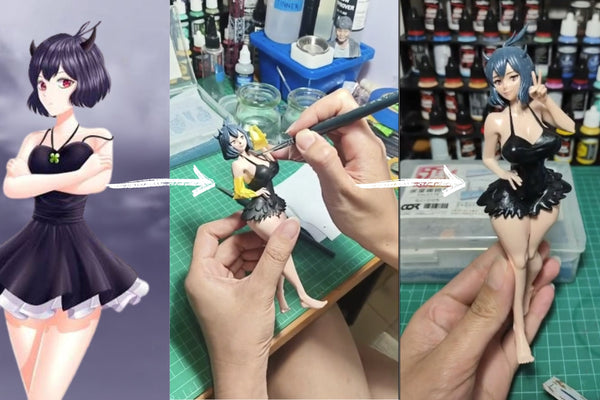
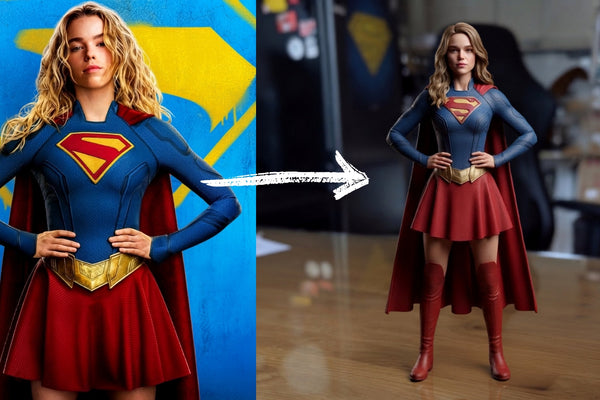
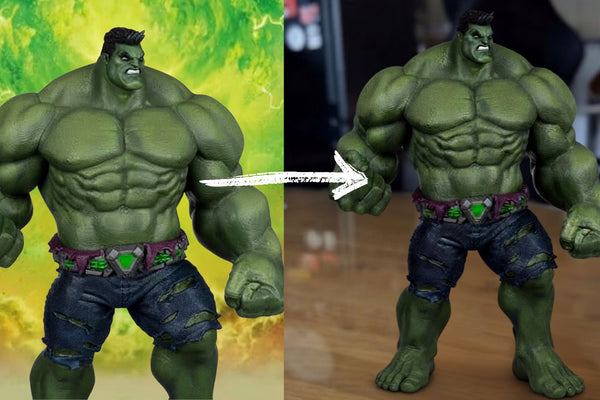
The creation of an exceptional 18 x 24 poster is a nuanced process, demanding a harmonious blend of artistic vision and technical precision. From the initial stages of high-resolution file preparation and astute color management to the discerning selection of substrates and the implementation of advanced printing and finishing techniques, each step plays an indispensable role in the final aesthetic and durability of the print. By comprehending these critical elements, designers and clients can make informed decisions, ensuring their large-format visual communication achieves its intended impact with unparalleled clarity and vibrancy. Just as Figuro excels in transforming cherished memories into tangible 3D art with meticulous detail and premium materials, a similar dedication to precision and quality is paramount in achieving exceptional 18 x 24 poster prints. Explore the possibilities of high-fidelity replication in your chosen medium, whether it is a stunning, professionally printed poster or a bespoke, custom figurine from Figuro, where moments are truly turned into figurines.
Bring Your Best Memories into the 3D World
Tired of looking at your favorite moments through a glass screen? Turn those unforgettable photos into something you can actually touch, hold, and display forever. Whether you're chasing jaw-dropping realism with our Realistic 3D Figurines, adding a fun twist to your desk space with a Custom Bobblehead Figurine, or celebrating a milestone love story with a Personalized Anniversary Couple Gift, we custom-sculpt every single piece to tell your unique story.
👉 Explore Figuro's Full Collection & Start Crafting Yours Today!
Bring Your Best Memories into the 3D World
Tired of looking at your favorite moments through a glass screen? Turn those unforgettable photos into something you can actually touch, hold, and display forever. Whether you're chasing jaw-dropping realism with our Realistic 3D Figurines, adding a fun twist to your desk space with a Custom Bobblehead Figurine, or celebrating a milestone love story with a Personalized Anniversary Couple Gift, we custom-sculpt every single piece to tell your unique story.
👉 Explore Figuro's Full Collection & Start Crafting Yours Today!