


Canvas printing has emerged as one of the most popular methods for transforming digital images into tangible art pieces that enhance home décor, preserve memories, and create meaningful gifts. Whether you seek to immortalise a cherished photograph, display original artwork, or create custom decorative pieces, understanding the canvas printing process ensures optimal results that withstand the test of time.
Understanding Canvas Printing Technology
Canvas printing, also known as giclée printing when executed at premium quality levels, involves transferring digital images onto canvas material using specialised inkjet printers. This process differs significantly from traditional paper printing, as canvas provides a textured surface that imparts an artistic quality reminiscent of hand-painted works.
The fundamental components of canvas printing include the canvas material itself—typically cotton, polyester, or a cotton-polyester blend—archival-quality inks that resist fading, and a protective coating that shields the final product from environmental damage. Professional-grade canvas prints can last for decades when properly cared for, making them an excellent investment for preserving important memories.
Preparing Your Image for Canvas Printing
Resolution and Image Quality
The foundation of exceptional canvas prints lies in image quality. For optimal results, your digital file should maintain a resolution of at least 300 dots per inch (DPI) at the intended print size. Lower resolutions may appear acceptable on screens but will manifest as pixelated or blurry when enlarged on canvas.
Calculate your image requirements by multiplying your desired canvas dimensions by 300. For instance, a 16x20 inch canvas necessitates an image measuring 4,800 by 6,000 pixels. If your original photograph falls short of these specifications, consider printing at a smaller size to maintain clarity and detail.
Colour Correction and Editing
Before submitting your image for printing, invest time in colour correction and enhancement. Monitor displays vary significantly in colour accuracy, and what appears vibrant on screen may print differently. Adjust brightness, contrast, and saturation conservatively, as canvas tends to absorb ink slightly differently than paper, potentially resulting in marginally darker prints.
Consider converting your image to the CMYK colour space if your printing service supports it, as this more accurately represents the printed output compared to the RGB colour space used by digital displays. Professional editing software such as Adobe Photoshop offers tools for precise colour management and soft-proofing, allowing you to preview how colours will translate to print.
Selecting the Right Canvas Material
Canvas selection significantly impacts the final aesthetic and longevity of your print. Cotton canvas, prized for its archival qualities and superior ink absorption, represents the premium choice for fine art reproduction and photographs you wish to preserve indefinitely. The natural fibres create a slightly textured surface that enhances the artistic appearance of prints.
Polyester canvas offers increased durability and resistance to moisture, making it suitable for environments where humidity might pose concerns. Blended materials attempt to balance the aesthetic qualities of cotton with the practical benefits of synthetic fibres, providing a middle-ground option for many applications.
The Canvas Printing Process
Professional Printing Services
Most individuals opt for professional canvas printing services rather than attempting to print at home, as the specialised equipment required represents a substantial investment. When selecting a printing service, evaluate their portfolio, read customer reviews, and request sample prints if possible.
Reputable services employ large-format printers capable of producing prints up to 60 inches wide or larger, utilise archival-quality pigment-based inks that resist fading for 100 years or more, and offer various canvas textures and finishing options. Submit your prepared image file, specify dimensions and any special requirements, and review a digital proof before approving production.
DIY Canvas Printing
For those with access to appropriate equipment, home canvas printing offers creative control and cost savings for multiple projects. This approach requires a wide-format inkjet printer compatible with canvas media, specialised canvas sheets or rolls designed for inkjet printing, and pigment-based archival inks.
Load the canvas material according to your printer's specifications, ensuring proper tension to prevent jams. Print a test image at reduced size to verify colour accuracy and adjust settings accordingly. Once satisfied with the results, proceed with your full-size print, handling the canvas carefully to avoid smudging the ink before it dries completely.
Stretching and Mounting Your Canvas Print
After printing, the canvas must be stretched over a wooden frame, called stretcher bars, to create a gallery-wrapped appearance. This process can be performed professionally or undertaken as a DIY project with appropriate tools and patience.
Professional stretching services ensure even tension across the entire canvas surface, preventing warping and rippling. They typically offer various depths of stretcher bars, with deeper frames creating a more substantial, museum-quality appearance. The image can wrap around the edges (gallery wrap) or the sides can be left blank or printed with a complementary colour.
DIY Stretching Techniques
If stretching the canvas yourself, acquire stretcher bars in your desired dimensions, canvas pliers for achieving proper tension, and a staple gun with appropriate staples. Begin by laying the canvas face-down and positioning the assembled frame centred on the back. Fold one edge over the frame and secure it with a single staple at the centre point.
Move to the opposite side and pull the canvas taut using canvas pliers before stapling at the centre. Repeat this process for the remaining two sides, then work outward from the centre staples, alternating sides to maintain even tension. Fold corners neatly and secure them with additional staples, ensuring the front surface remains smooth and free from distortion.
Protective Finishing and Care
Apply a protective coating to your canvas print to shield it from dust, moisture, and UV radiation. Spray varnishes designed specifically for canvas prints provide a barrier without yellowing or cracking over time. Apply several thin coats rather than one heavy application, allowing adequate drying time between layers.
Position your finished canvas away from direct sunlight to prevent fading, even when using archival inks and protective coatings. Avoid hanging canvas prints in high-humidity environments such as bathrooms, as moisture can promote mould growth on natural fibres. Dust gently with a soft, dry cloth periodically to maintain the appearance of your print.
Alternative Approaches: 3D Printed Figurines
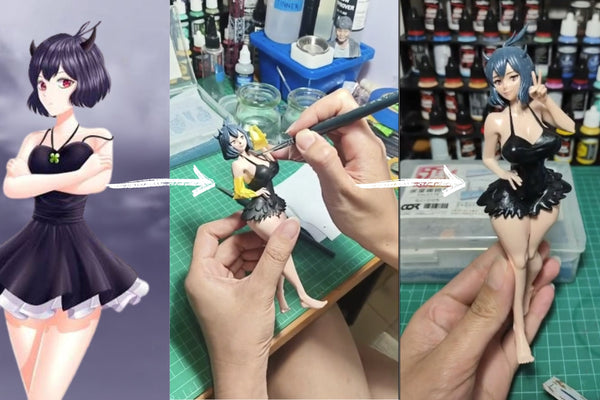
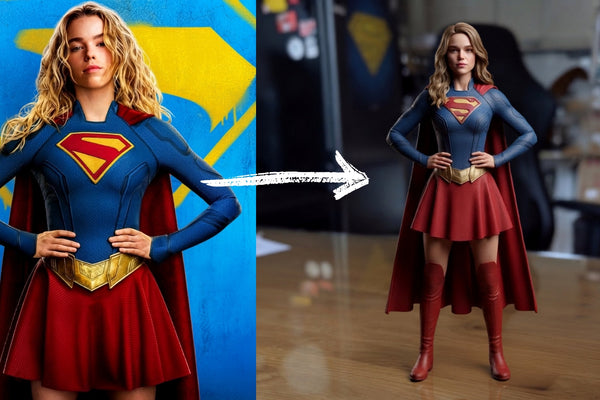
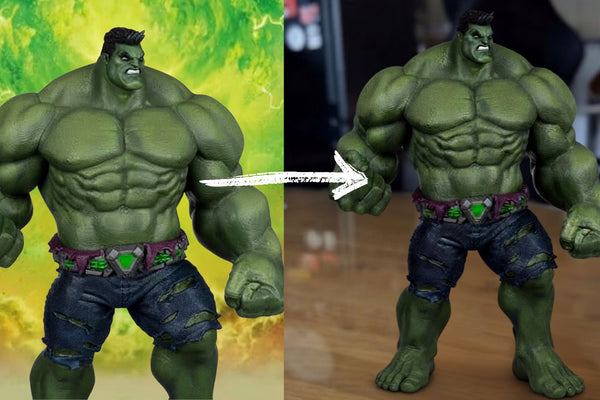
While canvas printing excels at creating two-dimensional representations of memories and artwork, some moments deserve a three-dimensional tribute. At Figuro, we specialise in transforming photographs into custom 3D printed figurines, offering a unique alternative to traditional canvas prints for preserving cherished memories.
Our premium resin 3D printing process captures intricate details with remarkable accuracy, creating tangible keepsakes that you can hold and display from any angle. From individual portraits to couple figurines, family groupings to beloved pets, our custom creations turn moments into lasting physical mementoes that complement or even surpass traditional printed media.
With sizes ranging from 8cm to 22cm, realistic hand-painted finishes, and the ability to customise poses and outfits, Figuro figurines offer a distinctive way to celebrate milestones, honour relationships, and preserve memories in a format that transcends the limitations of two-dimensional printing. Our 100% satisfaction guarantee ensures you'll love your preview before we begin production, and free delivery to multiple countries makes the process seamless from concept to completion.
Conclusion
Canvas printing transforms digital images into enduring art pieces that enhance living spaces and preserve meaningful moments. By understanding resolution requirements, selecting appropriate materials, choosing between professional services and DIY approaches, and properly finishing your prints, you can achieve gallery-quality results that last for generations.
Whether you opt for traditional canvas printing or explore innovative alternatives like custom 3D figurines from Figuro, the goal remains constant: transforming intangible digital files into tangible objects that celebrate life's most precious moments. Visit getfiguro.com to discover how we can help you turn your photographs into extraordinary three-dimensional keepsakes that complement your canvas prints and create a truly unique display of your most treasured memories.
Bring Your Best Memories into the 3D World
Tired of looking at your favorite moments through a glass screen? Turn those unforgettable photos into something you can actually touch, hold, and display forever. Whether you're chasing jaw-dropping realism with our Realistic 3D Figurines, adding a fun twist to your desk space with a Custom Bobblehead Figurine, or celebrating a milestone love story with a Personalized Anniversary Couple Gift, we custom-sculpt every single piece to tell your unique story.
👉 Explore Figuro's Full Collection & Start Crafting Yours Today!