


Canvas prints have become one of the most popular ways to display cherished photographs and artwork in homes and offices. The transformation of a digital image into a tangible piece of wall art creates a lasting impact that digital screens simply cannot replicate. Whether you wish to preserve family memories, showcase professional photography, or create custom gifts, understanding how to make canvas prints ensures you achieve gallery-quality results.
Understanding Canvas Printing Fundamentals
Canvas printing involves transferring a digital image onto canvas fabric, typically made from cotton, polyester, or a blend of both materials. The process utilises specialised large-format printers equipped with archival-quality inks designed to resist fading and maintain colour vibrancy for decades. Professional canvas prints employ giclée printing technology, which produces museum-quality reproductions with exceptional detail and colour accuracy.
The canvas material itself plays a crucial role in the final appearance of your print. Cotton canvas offers a traditional texture and superior ink absorption, whilst polyester canvas provides enhanced durability and resistance to environmental factors. Most professional services use canvas weights ranging from 320 to 450 GSM (grams per square metre), ensuring the material is substantial enough to maintain its shape whilst remaining flexible for stretching.
Preparing Your Image for Canvas Printing
Resolution and Image Quality
The foundation of an excellent canvas print begins with a high-resolution image. For optimal results, your digital file should contain at least 300 pixels per inch (PPI) at the intended print size. Images with lower resolution will appear pixelated or blurry when enlarged to canvas dimensions. If you plan to create a large canvas print, ensure your original photograph or artwork file contains sufficient pixel dimensions to maintain clarity.
Before submitting your image for printing, examine it at 100% magnification on your computer screen. This allows you to identify any imperfections, such as digital noise, compression artifacts, or focus issues that may become more apparent when printed. Many professional canvas printing services offer design tools or consultations to help you assess whether your image meets quality standards.
Colour Calibration Considerations
Colour accuracy represents another critical factor in canvas print production. Computer monitors display colours using RGB (red, green, blue) colour space, whilst printers utilise CMYK (cyan, magenta, yellow, black) colour profiles. This difference can result in slight variations between what you see on screen and the final printed canvas. Professional canvas printing services typically provide colour-calibrated previews or printed proofs to ensure your expectations align with the final product.
The Canvas Printing Process
Printing Methods and Technologies
Contemporary canvas printing employs inkjet technology with either dye-based or pigment-based inks. Pigment-based inks offer superior longevity and UV resistance, making them the preferred choice for archival-quality prints. These inks bond with the canvas fibres rather than being absorbed, resulting in sharper details and more vibrant colours that resist fading for up to 200 years when properly cared for.
During the printing process, the canvas moves through the printer whilst microscopic droplets of ink are precisely deposited onto the fabric surface. Advanced printers utilise multiple ink cartridges, sometimes featuring 12 or more colours, to achieve an expanded colour gamut and smoother gradients. This multi-ink approach produces more nuanced skin tones, richer blacks, and more accurate colour reproduction than basic four-colour printing.
Coating and Protection
After printing, many professional services apply a protective coating to the canvas surface. These coatings serve multiple purposes: they protect the print from UV light damage, make the surface water-resistant, and enhance colour vibrancy. Common protective coatings include liquid laminates and spray-on UV protectants. Some services offer matte, satin, or gloss finishes, allowing you to customise the final appearance of your canvas print.
Stretching and Mounting Options
Once printed and coated, the canvas must be stretched over a wooden frame, commonly called stretcher bars or a stretcher frame. This process requires precision to ensure the canvas remains taut without distorting the image. Professional stretching involves wrapping the canvas around the frame edges and securing it with staples or tacks on the back, creating a clean, frameless appearance on the sides.
Gallery Wrap Versus Museum Wrap
Two primary stretching methods dominate the canvas printing industry. Gallery wrap extends the image around the edges of the stretcher bars, creating a three-dimensional effect where the artwork continues onto the sides. This method eliminates the need for a traditional frame and creates a contemporary, polished look. Museum wrap, alternatively, uses either a solid colour or a mirrored extension of the edge pixels to wrap around the sides, ensuring the entire original image remains visible on the front face of the canvas.
Frame Depth and Presentation
Stretcher bars come in various depths, typically ranging from 0.75 inches to 2 inches. Thicker frames create a more substantial presence on the wall and enhance the perception of quality. Consider the viewing distance and surrounding décor when selecting frame depth. Larger canvases generally benefit from thicker stretcher bars, which prevent warping and maintain structural integrity over time.
DIY Canvas Printing Versus Professional Services
Whilst home canvas printing has become more accessible with consumer-grade printers and canvas sheets, significant differences exist between DIY efforts and professional services. Home printers typically lack the colour range, resolution capabilities, and canvas-feeding mechanisms required for large-format, high-quality canvas prints. Additionally, achieving proper colour calibration and applying protective coatings requires specialised equipment and expertise.
Professional canvas printing services invest in industrial-grade equipment, archival materials, and quality control processes that ensure consistent, long-lasting results. They also offer various customisation options, including custom sizes, framing choices, and finishing touches that would be challenging to replicate at home. For important photographs or artwork intended as gifts or permanent displays, professional services provide peace of mind through quality guarantees and expert craftsmanship.
Creating Meaningful Keepsakes
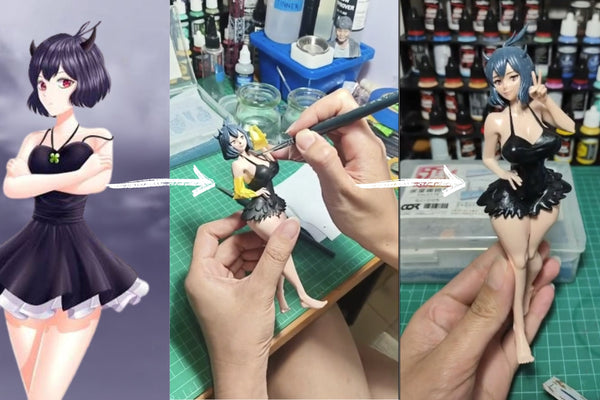
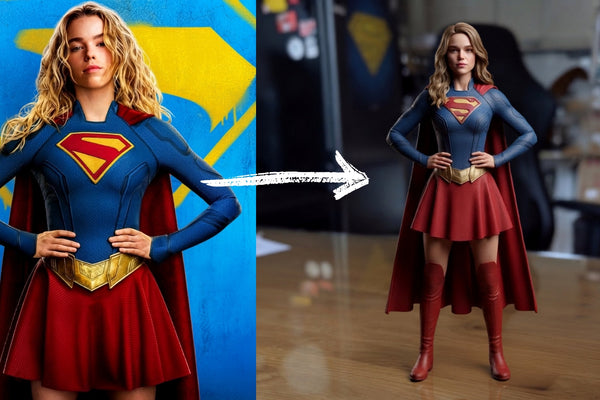
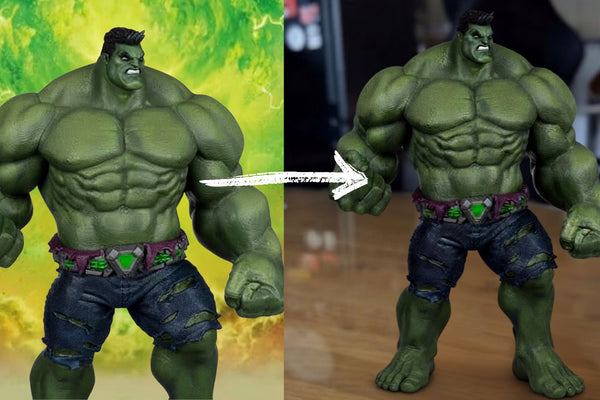
Canvas prints serve as powerful vessels for preserving meaningful moments and creating lasting memories. Beyond traditional photography, consider transforming special occasions into tangible keepsakes through innovative approaches. At Figuro, we specialise in turning moments into tangible treasures through custom 3D printed figurines from your photographs. Whilst canvas prints capture flat images beautifully, our premium resin figurines add a three-dimensional quality to your cherished memories, creating truly unique keepsakes that complement your canvas art displays.
Whether commemorating weddings, celebrating family milestones, or honouring beloved pets, the combination of canvas prints and custom figurines creates a comprehensive approach to memory preservation. Our hand-painted finishes and attention to detail ensure each piece becomes a conversation starter and a treasured heirloom.
Caring for Your Canvas Prints
Proper maintenance extends the lifespan of canvas prints significantly. Display your canvas away from direct sunlight, which can cause fading even with UV-protective coatings. Maintain moderate humidity levels, as excessive moisture can lead to canvas warping or mould growth, whilst extremely dry conditions may cause the canvas to become brittle.
Clean your canvas prints gently using a soft, dry microfibre cloth to remove dust. Avoid using water or cleaning solutions, as these can damage the protective coating and ink. If your canvas becomes damaged, many professional services offer restoration or reprinting options.
Transform Your Memories into Lasting Art
Creating canvas prints represents an investment in preserving and displaying your most precious memories. Whether you choose to work with professional services or explore DIY options, understanding the technical aspects of canvas printing empowers you to make informed decisions that result in beautiful, long-lasting artwork. The key lies in starting with high-quality images, selecting appropriate materials and printing methods, and properly caring for your finished pieces.
Ready to transform your favourite moments into tangible keepsakes? Visit Figuro to explore how we turn photographs into stunning custom 3D figurines that complement your canvas prints and create a complete memory preservation experience. Our 100% satisfaction guarantee ensures you will love your custom creation, and with free delivery to major markets, preserving your cherished moments has never been easier.
Bring Your Best Memories into the 3D World
Tired of looking at your favorite moments through a glass screen? Turn those unforgettable photos into something you can actually touch, hold, and display forever. Whether you're chasing jaw-dropping realism with our Realistic 3D Figurines, adding a fun twist to your desk space with a Custom Bobblehead Figurine, or celebrating a milestone love story with a Personalized Anniversary Couple Gift, we custom-sculpt every single piece to tell your unique story.
👉 Explore Figuro's Full Collection & Start Crafting Yours Today!