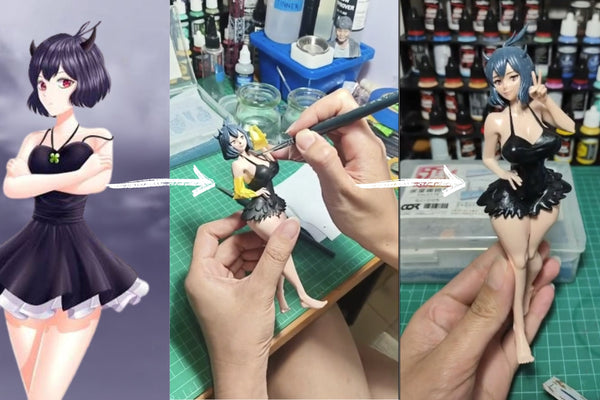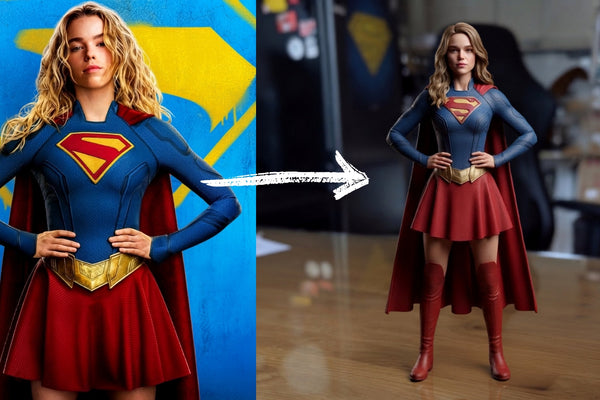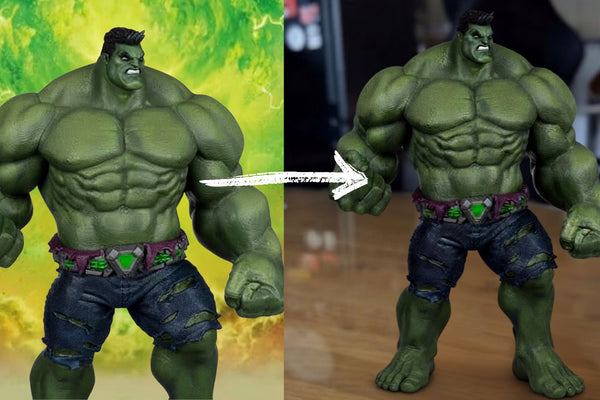



Introduction
Creating a miniature of oneself through 3D printing synthesizes technical process with sentimental value. This article provides a structured, evidence-informed guide on how to create a custom 3D printed figurine from photographs or scans. It emphasizes the steps required to achieve high fidelity, the materials and finishing options available, and the practical considerations when ordering from a specialist such as Figuro, which offers bespoke figurines rendered in premium resin.
Step 1: Choose your capture method
The first stage is to obtain accurate visual reference. Two principal approaches are available: photographic reference and 3D scanning.
Photographic reference
Photographs remain the most accessible means to document likeness. For the best outcome, supply multiple images capturing frontal, three-quarter, profile and rear views. Include close-ups of facial features, hairline, hands, and any distinguishing marks. Provide high-resolution images taken in diffuse daylight to minimize shadows. When possible, include one full-body image that shows proportions and posture. If the subject wears specific clothing or accessories, document these from multiple angles as well.
3D scanning
3D scanning produces a direct spatial record and reduces interpretation during the modeling stage. Structured-light and photogrammetry workflows are common: structured-light scanners capture geometry rapidly with high precision, while photogrammetry reconstructs 3D meshes from overlapping photographs. If a 3D scan is available, it should be delivered in common mesh formats such as OBJ or STL with accompanying texture maps if color is required.
Step 2: Digital modeling and sculpting
After data acquisition, the next critical stage is digital modeling. This involves converting reference images or scans into a watertight 3D model suitable for printing. Professional workflows typically include retopology, mesh cleanup, and digital sculpting to refine anatomical details.
Retopology and mesh repair
Scans and photogrammetry outputs often contain holes, non-manifold edges, and irregular topology. Retopology simplifies the geometry to a clean, evenly-distributed mesh that is resilient during print slicing. Mesh repair addresses artifacts and ensures the model is printable.
Sculpting likeness and expression
Digital sculpting reintroduces fine details such as skin texture, hair strands, and facial expression. At this stage, artists adjust proportions to account for scaling effects when reducing a full-size person to a miniature. The sculptor also configures the pose, facial expression, and any props or accessories. When ordering from Figuro, customers can request custom poses or outfits; Figuro provides a preview prior to printing to confirm likeness.
Step 3: Scale, pose, and compositional choices
Scaling from life-size to miniature—common Figuro sizes range from 8 cm to 22 cm—requires careful consideration of proportion and level of detail. Very small sizes necessitate simplification of extremely fine elements to avoid fragile features.
Pose selection
Pose influences structural integrity and aesthetic impact. Closed poses with limbs close to the body typically print more robustly than widely splayed limbs. If a dynamic pose is desired, the modeler will plan internal supports or a thicker connection to a base to preserve durability.
Base and integration
A base stabilizes the miniature and offers compositional framing. Bases can be simple discs, themed scenes, or custom plaques with text. Figuro provides options for bases and can integrate small props or vehicles into the final composition.
Step 4: Material selection and finishing
Material choice affects surface quality, color fidelity, and durability. Figuro employs premium resin suitable for fine-detail retention. Resin-based technologies, such as SLA or DLP, produce smooth surfaces and crisp details well suited to small figurines.
Finishing options
Two principal finishing approaches are available: realistic colored 3D printing and hand-painted finish. Realistic colored prints rely on full-color printing processes that transfer texture maps directly to the model. Hand-painted finishes involve manual painting by skilled artists, which can accentuate depth, shading, and small features. Figuro offers both options and facilitates preview approval before printing.
Step 5: Quality control and preview
Prior to printing, a proofing stage is essential. Figuro provides a rendered preview of the final model. This stage permits the customer to request adjustments to expression, costume, or pose. Importantly, Figuro guarantees a 100% refund if the customer does not approve the preview prior to the start of physical printing, reducing financial risk associated with bespoke work.
Step 6: Printing, post-processing, and shipping
Once the preview is approved, the model proceeds to printing. Post-processing includes support removal, curing, sanding, and final painting if the hand-painted option is selected. Quality inspection ensures paint fidelity and structural soundness.
Shipping considerations
Figuro includes free delivery to multiple regions, notably the United States, China, Thailand, Singapore, India, and Malaysia. Customers should account for typical lead times during peak seasons; Figuro communicates estimated delivery windows at the order confirmation stage.
Practical tips to improve likeness
To maximize resemblance, follow these recommendations:
- Provide at least 8 to 12 high-resolution reference images taken from varied angles.
- Include neutral-expression and smiling images if you prefer a particular affective expression.
- Document hair texture, distinctive clothing, and any tattoos or scars with close-ups.
- Communicate desired pose and accessories clearly at the time of ordering.
Care and long-term preservation
Resin figurines require minimal maintenance. Avoid prolonged exposure to direct sunlight to prevent subtle fading. Clean with a soft, dry cloth; do not submerge in water or use abrasive solvents. For display, choose stable surfaces and consider a protective case for high-value commemorative pieces.
Conclusion and next steps
Creating a miniature of oneself through 3D printing is a multidisciplinary process that combines accurate capture, skilled digital sculpting, judicious material selection, and quality finishing. Figuro streamlines each of these steps, offering sizes from 8 cm to 22 cm, premium resin materials, custom poses, and the option of realistic color printing or hand-painted finishes. With a preview and refund guarantee, the service mitigates stylistic risk while delivering a tangible keepsake that transforms a moment into an enduring object.
Ready to begin? Visit Figuro to start a custom order or to request a quote. Our team will guide you through photo requirements, pose selection, and finishing choices to ensure a faithful miniature that preserves the moment.
Bring Your Best Memories into the 3D World
Tired of looking at your favorite moments through a glass screen? Turn those unforgettable photos into something you can actually touch, hold, and display forever. Whether you're chasing jaw-dropping realism with our Realistic 3D Figurines, adding a fun twist to your desk space with a Custom Bobblehead Figurine, or celebrating a milestone love story with a Personalized Anniversary Couple Gift, we custom-sculpt every single piece to tell your unique story.
👉 Explore Figuro's Full Collection & Start Crafting Yours Today!