


Introduction
The utilisation of a 3D printing machine to manufacture toys has matured from an experimental hobbyist activity into a reliable pathway for prototyping, limited-run production, and bespoke design fulfilment. This article examines the technological modalities, material choices, production workflows, regulatory constraints, and practical recommendations relevant to producing toys with 3D printing. The analysis emphasises technical considerations and real-world trade-offs for hobbyists, small enterprises, and designers seeking to convert digital models into physical playthings.
Overview of 3D Printing Technologies Suitable for Toys
Fused Deposition Modeling (FDM)
FDM is widely accessible and cost-effective for rapid prototyping of toys. It extrudes thermoplastic filament through a heated nozzle to build geometry layer by layer. Typical advantages include low material costs, a broad selection of thermoplastics such as PLA and ABS, and large build volumes. Limitations include visible layer lines, reduced surface fidelity for fine details, and potential mechanical anisotropy along layer interfaces. For functional toy components subject to stress, selection of filament and print orientation is critical.
Stereolithography (SLA) and Digital Light Processing (DLP)
SLA and DLP produce higher resolution prints by polymerising liquid resin with a light source. These processes are preferred when fine detail, smooth surfaces, or small-scale figurines are required. Resins vary in mechanical and tactile properties; standard, toughened, and flexible resins address different use cases. SLA-produced toys generally require post-processing including washing and UV curing to achieve full mechanical properties and to remove uncured surface material.
Selective Laser Sintering (SLS)
SLS uses a laser to sinter powdered material and yields durable, isotropic parts without support structures. It is suitable for mechanically robust components and medium-run production. Surface finish may be granular and often requires post-processing for aesthetic toys, but the mechanical performance is strong compared to FDM and SLA outputs.
Materials and Safety Considerations
Material selection is fundamental when producing toys. Key parameters include mechanical strength, brittleness, surface finish, and biocompatibility or food-safety where applicable. For example, PLA is easy to print and biodegradable but can be brittle. ABS offers increased toughness but off-gasses more during printing. Photopolymer resins provide fine detail but may contain residual monomers that require thorough post-curing and washing to meet safety expectations.
When designing for child use, compliance with relevant safety standards such as ASTM F963 and the Consumer Product Safety Improvement Act (CPSIA) in the United States is essential. Factors to evaluate include small part hazards, choking risks, chemical composition, and flammability. Manufacturers must determine age appropriateness and include appropriate warnings and testing where required.
Design and Production Workflow
Digital Modelling and Tolerances
Start with a CAD model that accounts for printing tolerances, shrinkage, and assembly clearances. For toys with moving parts, specify functional tolerances and test-fit prototypes at multiple scales. Feature sizes under 1 mm are challenging for FDM and more reliably produced with SLA/DLP. Design for manufacturability reduces iterative cycles and mitigates failed prints.
Support Structures and Orientation
Optimal orientation minimises support contact on visible surfaces and reduces anisotropic weakness. For SLA prints, support removal must be planned so that details are not damaged. For articulated toys, print joints in place where possible or design snap-fit connectors that withstand repeated use. Consider stress concentration and add fillets or ribs where necessary.
Post-Processing and Finishing
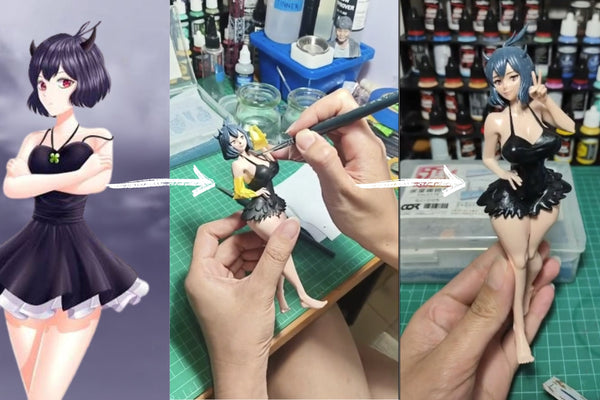
Post-processing transforms a raw print into a consumer-ready toy. Processes include support removal, sanding, priming, painting, and sealing. SLA prints require washing with isopropyl alcohol and controlled UV curing to reach intended mechanical properties. For premium aesthetic finishes, hand painting or airbrushing produces superior results. Figuro offers a hand-painted finish and realistic colored 3D printing options for customers who prioritise visual fidelity over raw printed output.
Economic and Production Considerations
Cost per unit depends on machine type, material, print time, and post-processing labour. FDM yields lower per-part material cost but may require more surface finishing labour. SLA/DLP have higher material costs and additional post-curing steps, but provide superior surface quality that often reduces finishing time. For short production runs or highly customised toys, 3D printing can be cost-effective compared to tooling-based injection moulding, which becomes economical at high volumes due to tooling amortisation.
Case Studies and Use Cases
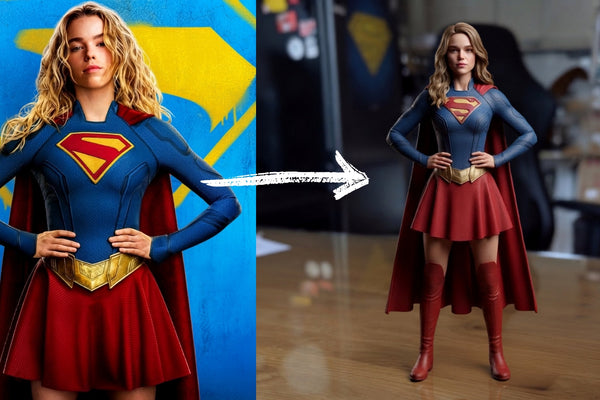
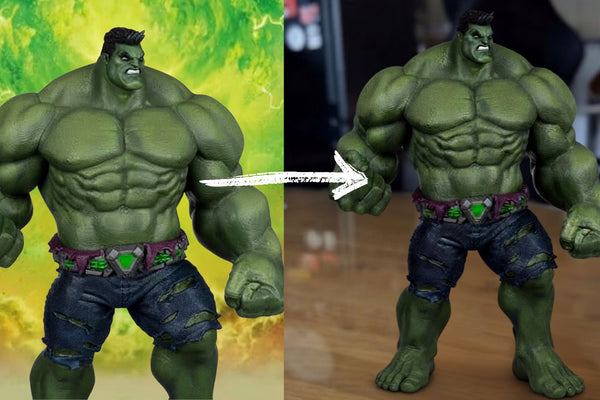
Hobbyist designers commonly use affordable FDM machines to produce prototype action figures and toy accessories. Enthusiasts and independent studios favour SLA for collectible miniatures requiring high detail. Small manufacturers employ SLS for mechanically durable toy parts that must withstand repeated mechanical stress. Commercial services such as Figuro translate photographic or sculptural input into finished figurines using premium resin and professional finishing workflows, bridging the gap between bespoke design and consumer-ready product.
Regulatory and Ethical Considerations
Producers must ensure that materials and final assemblies adhere to regional safety standards. For toys intended for children, rigorous testing for heavy metals, phthalates, and small-part hazards is advisable. Intellectual property considerations also arise when reproducing copyrighted characters or commercially licensed designs; clearance or licensing is required prior to commercialisation.
Recommendations for Practitioners
- Prototype early and often. Use rapid FDM prototypes to iterate form, then validate detail with SLA.
- Choose materials by function. For durable moving parts, select tough filaments or SLS materials; for detailed figures, select high-resolution resins.
- Plan post-processing. Allocate time and budget for cleaning, curing, painting, and safety testing.
- Assess compliance. Consult local toy safety standards before marketing toys for children.
Practical Example: From Photograph to Figurine
Services that convert photographs into three-dimensional figurines illustrate an integrated workflow beneficial to toy development. The process typically includes 3D scanning or photogrammetry, digital sculpting to ensure articulated or aesthetic fidelity, selection of material and finish, preview approval, and final production. Figuro provides a preview stage with a 100% refund guarantee if the customer does not approve the preview, which exemplifies a controlled quality assurance checkpoint in a bespoke manufacturing pipeline.
Conclusion and Next Steps
Using a 3D printing machine to make toys is a viable approach across a spectrum of needs, from rapid prototyping to limited commercial production and bespoke collectibles. Choice of printing technology, materials, and post-processing determines the balance among cost, durability, and aesthetic quality. Practitioners should adopt an iterative workflow, prioritise safety and compliance, and select the manufacturing method that aligns with their volume and quality objectives.
Further Resources and Call to Action
For designers and small manufacturers seeking a partner that specialises in high-fidelity figurines, consider exploring Figuro's services. Figuro utilises premium resin and offers sizes from 8 cm to 22 cm, options including realistic colored 3D printing and hand-painted finishes, custom poses and outfits, and free shipping to select markets. Visit https://getfiguro.com to review samples and initiate a custom order or to request a preview prior to production.
Bring Your Best Memories into the 3D World
Tired of looking at your favorite moments through a glass screen? Turn those unforgettable photos into something you can actually touch, hold, and display forever. Whether you're chasing jaw-dropping realism with our Realistic 3D Figurines, adding a fun twist to your desk space with a Custom Bobblehead Figurine, or celebrating a milestone love story with a Personalized Anniversary Couple Gift, we custom-sculpt every single piece to tell your unique story.
👉 Explore Figuro's Full Collection & Start Crafting Yours Today!