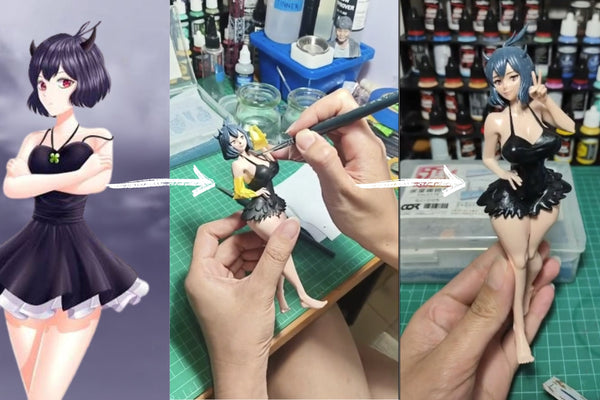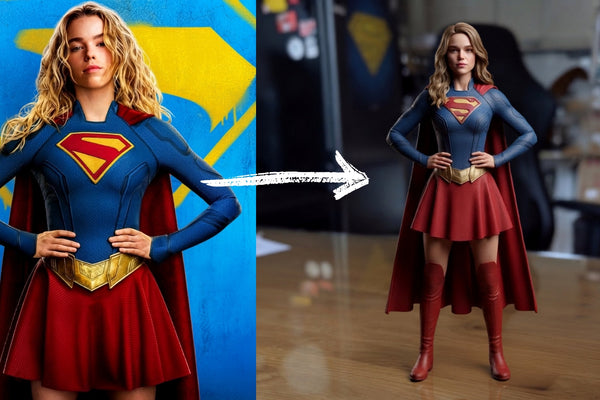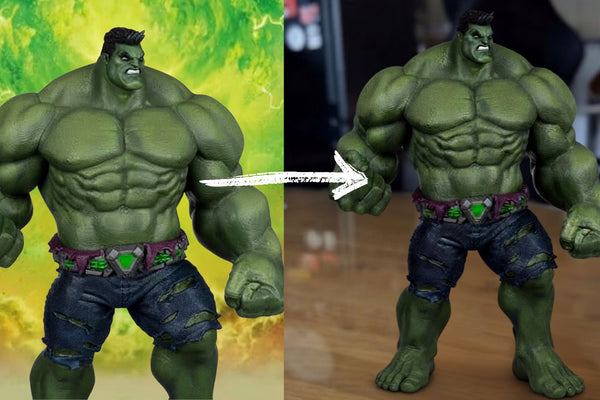



Has anyone used a 3D printing machine to make toys?
The short answer is: yes, many professionals, hobbyists, and small manufacturers routinely use 3D printing machines to produce toys. This article provides a structured, technical overview of the processes, materials, design considerations, and quality controls that practitioners employ when creating toys and collectible figurines by means of additive manufacturing.
Primary 3D printing technologies used for toys
SLA and DLP (resin-based) printing
Stereolithography (SLA) and Digital Light Processing (DLP) are prevalent for detailed figurines and small toys where surface quality and fine detail matter. These processes cure liquid photopolymer resin with a light source to achieve high resolution and crisp features. For collectible figurines and bobbleheads, resin printing produces superior detail fidelity compared with fused filament deposition.
FDM (filament-based) printing
Fused Deposition Modeling (FDM) is commonly used for larger, structural toy components and prototypes. FDM is cost-effective and robust for functional parts, but it typically yields lower surface resolution and visible layer lines that require additional post-processing for display-quality toys.
SLS and other powder-based technologies
Selectively Laser Sintered (SLS) and similar powder-bed processes are chosen when mechanical strength, interlocking assemblies, or complex internal geometries are required. Although less common for highly detailed collectible figurines, SLS is valuable for durable toys with moving parts or for batch production without support structures.
Why resin printing is often preferred for toys and figurines
Resin printing is widely adopted for collectible toys because of its ability to capture intricate sculptural detail, thin features, and fine facial expressions. Premium resin formulations yield high detail retention and smooth surfaces that facilitate painting and finishing. Companies offering custom figurines, such as Figuro, leverage premium resin to reproduce photographic likenesses with fidelity across sizes ranging from 8cm (3.1") to 22cm (8.7").
Design considerations specific to toy production
Geometry, wall thickness, and tolerances
Toys must be designed with manufacturability in mind. Minimum wall thickness depends on process and material; for SLA resin prints, designers typically maintain a minimum thickness to ensure structural integrity during handling and post-processing. Tolerances for interlocking parts and articulation must account for polymer shrinkage, post-cure dimensional changes, and the precision of the chosen printer.
Articulation, assembly, and supports
Articulation requires pin joints, press fits, or ball-and-socket geometries designed with adequate clearance. Support structures must be planned to avoid marring visible surfaces; this often leads to multi-part designs or specialized orientation during printing to minimize support contact on face and detail areas.
File formats and workflow
Standard file formats such as .STL and .OBJ are used for model transfer. Designers must inspect and repair meshes for non-manifold edges and watertight geometry. Slicing software then determines layer height, exposure settings (for resin), and support placement. For high-detail toys, layer heights of 25 to 50 microns are typical in resin workflows.
Materials and finishes
Choice of material affects durability, paint adhesion, and tactile quality. Photopolymer resins designed for figurines produce fine detail; some resins are engineered for higher toughness if the toy is intended to be handled frequently. Post-print finishes include sanding, primer application, painting (hand-painted finishes or realistic colored 3D printing), and sealing with a protective clear coat.
Post-processing and quality control
Post-processing is essential for toy production. Typical steps include removal of supports, washing uncured resin, UV curing, sanding, priming, and painting. Quality control must verify dimensional accuracy, surface quality, color consistency, and mechanical fit where applicable. A practical industry safeguard is to provide a digital preview to the customer before printing; for example, Figuro provides a 100% refund if the customer does not approve the preview before printing begins, which de-risks custom orders and aligns expectations.
Safety and regulatory considerations
Manufacturers and creators must consider toy safety standards, choking hazards, and material toxicity. Resins vary in biocompatibility and may require sealing or encapsulation if the end product is intended for small children. Labels, age recommendations, and compliance testing may be necessary for commercial distribution. For custom adult collectibles, these requirements are often less stringent, but prudent handling and clear communication of intended use remain best practices.
Practical workflow for producing custom 3D-printed toys
An effective production workflow includes: (1) acquiring or sculpting a high-resolution 3D model, (2) validating and repairing the mesh, (3) selecting process and material based on required detail and durability, (4) orienting and supporting the model for optimal printability, (5) performing the print with controlled exposure and layer settings, (6) executing thorough post-processing, and (7) performing final inspection and secure packaging for shipment. For bespoke figurines, additional steps include client approval of pose, outfit, and paint scheme prior to printing.
Case examples and typical offerings
Custom 3D-printed toys take many forms: human figurines, couple and family miniatures, pet statues, anime figures, superhero collectibles, bobbleheads, and vehicle miniatures. Providers that specialize in custom figurines often offer varied size options from 8cm to 22cm, material choices such as premium resin, and finishing options including hand-painted finishes and realistic colored 3D printing. Shipping and logistical choices can also be decisive; some services include free delivery to major markets such as the United States, China, Thailand, Singapore, India, and Malaysia.
Recommendations for hobbyists and small-scale producers
For enthusiasts who wish to produce toys using a 3D printing machine, start with small prototypes to validate form and fit. Invest in a reliable resin printer if high detail is the priority; choose resins rated for dimensional stability and finish. Learn to prepare supports conservatively to preserve surface details. When scaling to final sizes, consider structural reinforcement in larger models and account for the limits of your finishing workflow.
Concluding observations
Yes, 3D printing machines are widely used to make toys, and the technology supports both one-off custom pieces and small-batch production. The choice of process, material, and post-processing regime determines the final quality. For high-fidelity figurines, resin-based printing combined with professional finishing yields the most collectible results. Commercial providers that combine these technical practices with customer-focused guarantees can reliably convert photographs and concepts into tangible keepsakes.
To explore professional custom options, including premium resin figurines, sizes from 8cm to 22cm, hand-painted finishes, custom poses and outfits, and a 100% preview approval guarantee, consider visiting Figuro. Our team can guide technical specifications and initiate a custom order with free delivery to multiple international markets.
Bring Your Best Memories into the 3D World
Tired of looking at your favorite moments through a glass screen? Turn those unforgettable photos into something you can actually touch, hold, and display forever. Whether you're chasing jaw-dropping realism with our Realistic 3D Figurines, adding a fun twist to your desk space with a Custom Bobblehead Figurine, or celebrating a milestone love story with a Personalized Anniversary Couple Gift, we custom-sculpt every single piece to tell your unique story.
👉 Explore Figuro's Full Collection & Start Crafting Yours Today!