


The art of cake decoration has evolved significantly over the centuries, transforming from simple confections into elaborate centrepieces that capture the essence of life's most cherished moments. Among the myriad decorative elements available to both professional pastry chefs and home bakers, flowers for cake have emerged as timeless symbols of elegance, beauty, and celebration. Whether adorning a wedding cake, birthday confection, or anniversary dessert, floral embellishments possess the unique ability to transform an ordinary cake into an extraordinary masterpiece that guests will remember long after the last slice has been served.
The Historical Significance of Floral Cake Decorations
The tradition of decorating cakes with flowers dates back several centuries, with evidence suggesting that European bakers in the 17th and 18th centuries began incorporating fresh blooms into their confectionery creations. Initially reserved for aristocratic celebrations and royal banquets, floral cake decorations symbolised luxury, refinement, and social status. As baking techniques advanced and became more accessible to the general population, the practice of adorning cakes with flowers democratised, allowing individuals from all walks of life to elevate their celebrations with these natural embellishments.
Throughout history, different flowers have carried distinct meanings and symbolisms. Roses represented love and passion, making them ideal for wedding cakes and romantic occasions. Lilies symbolised purity and renewal, whilst lavender conveyed devotion and tranquillity. Understanding these historical associations allows modern cake decorators to select flowers that not only enhance visual appeal but also communicate deeper sentiments aligned with the celebration's purpose.
Types of Flowers for Cake Decoration
When selecting flowers for cake embellishment, decorators must navigate between several categories, each offering unique advantages and considerations.
Fresh Edible Flowers
Fresh edible flowers provide the most authentic and natural appearance, bringing vibrant colours and delicate textures directly from garden to cake. Popular edible varieties include pansies, violets, roses, lavender, chamomile, and nasturtiums. These flowers are entirely safe for consumption when sourced from organic, pesticide-free environments. The primary advantage of fresh edible flowers lies in their authenticity—they offer genuine fragrance and visual appeal that artificial alternatives cannot replicate. However, they require careful handling, have limited lifespan, and must be applied close to serving time to maintain freshness and appearance.
Fresh Non-Edible Flowers
Many decorators opt for fresh non-edible flowers that offer broader variety and longer-lasting beauty. Whilst these blooms should not be consumed, they can be safely used on cakes when proper barriers are implemented. Food-safe floral picks, parchment paper barriers, or strategic placement ensures the flowers never directly contact the cake surface. Popular non-edible choices include peonies, hydrangeas, gardenias, and orchids. This category expands creative possibilities significantly, though it requires clear communication with cake recipients regarding which elements are decorative rather than consumable.
Sugar Flowers and Gumpaste Creations
For decorators seeking complete control over appearance and longevity, sugar flowers crafted from gumpaste or fondant offer exceptional versatility. These edible sculptures can be fashioned weeks in advance, stored indefinitely, and designed to match any colour scheme or aesthetic vision. Skilled artisans can create remarkably realistic replicas of virtually any flower species, from delicate cherry blossoms to elaborate tropical orchids. Whilst requiring significant time investment and specialised skills, sugar flowers eliminate concerns about wilting, toxicity, or seasonality.
Artificial and Silk Flowers
Modern artificial flowers, particularly high-quality silk varieties, have achieved unprecedented realism. These non-edible decorations offer maximum durability and can be kept as keepsakes long after the celebration concludes. They function particularly well for tiered wedding cakes that must withstand extended display periods or outdoor conditions. As with fresh non-edible flowers, proper barriers must separate artificial blooms from cake surfaces to maintain food safety standards.
Design Principles for Floral Cake Arrangements
Successfully incorporating flowers for cake decoration requires understanding fundamental design principles that ensure visual harmony and structural integrity.
Colour Coordination
Effective floral cake design begins with thoughtful colour selection. Decorators should consider the cake's base colour, frosting palette, and the celebration's overall colour scheme. Complementary colours create vibrant contrast, whilst analogous colours produce serene, cohesive appearances. Monochromatic arrangements featuring various shades of a single colour offer sophisticated elegance. Consider how flowers will photograph, as certain hues may appear dramatically different under various lighting conditions or in digital images.
Scale and Proportion
The relationship between flower size and cake dimensions significantly impacts visual balance. Oversized blooms can overwhelm smaller cakes, whilst diminutive flowers may appear lost on expansive multi-tiered creations. Generally, larger focal flowers should anchor the arrangement, with progressively smaller blooms and foliage filling supporting roles. This hierarchical approach creates visual interest whilst maintaining proportional harmony.
Placement Strategies
Strategic flower placement can accentuate cake architecture, guide the viewer's eye, and create focal points that enhance overall composition. Cascading arrangements that flow down multiple tiers create dramatic vertical interest. Clustered arrangements concentrated at one area generate asymmetrical dynamism. Symmetrical placement produces formal elegance appropriate for traditional celebrations. Consider how the cake will be viewed—from all angles or primarily from one perspective—when determining optimal flower positioning.
Practical Considerations for Cake Flowers
Food Safety and Hygiene
Maintaining rigorous food safety standards remains paramount when incorporating flowers for cake decoration. All flowers, whether edible or decorative, should be thoroughly cleaned to remove dirt, insects, and residual pesticides. Edible flowers must be sourced from certified organic suppliers or home gardens where chemical treatments have never been applied. Non-edible flowers require physical barriers preventing direct cake contact. Stems should be wrapped with floral tape, inserted into food-safe picks, or placed on parchment paper foundations.
Timing and Preservation
Fresh flowers present timing challenges that require careful planning. Most fresh blooms should be applied to cakes no more than 2-4 hours before serving to prevent wilting. Refrigeration can extend freshness but may cause condensation issues when cakes return to room temperature. Some decorators strategically apply flowers in stages, adding the most delicate varieties immediately before presentation. Understanding each flower variety's durability characteristics enables more accurate timing decisions.
Seasonal Availability
Flower selection may be constrained by seasonal availability and associated costs. Whilst florists can source nearly any variety year-round through global supply chains, off-season flowers command premium prices. Embracing seasonal blooms not only reduces expenses but also ensures peak freshness and supports sustainable practices. Spring celebrations might feature tulips and daffodils, summer events could showcase sunflowers and dahlias, autumn cakes might incorporate chrysanthemums, and winter desserts could feature evergreen elements with berries.
Preserving Cake Moments Beyond the Celebration
Whilst flowers for cake create stunning visual impact during celebrations, the ephemeral nature of these decorations means they typically last only hours or days. For those seeking to preserve the memory of their beautifully decorated cake beyond the event itself, alternative commemorative options exist.
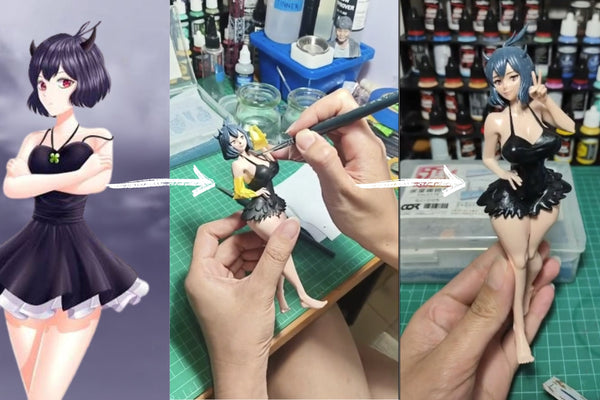
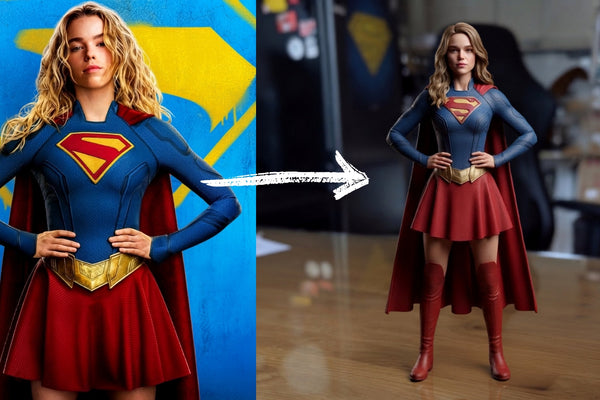
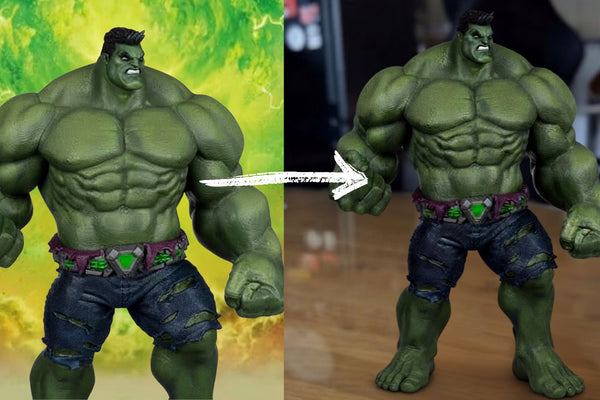
This is where Figuro offers an innovative solution for transforming fleeting celebration moments into permanent keepsakes. Whilst your floral cake decoration will eventually wilt or be consumed, a custom 3D printed figurine can capture the essence of your celebration indefinitely. Imagine commemorating your wedding not only through photographs of your flower-adorned cake but also with a personalised figurine depicting you and your partner in your wedding attire, preserved forever in premium resin with hand-painted details.
Figuro specialises in turning moments into figurines, creating custom 3D printed keepsakes from your photographs. Whether celebrating a wedding, anniversary, birthday, or family milestone—occasions that often feature beautifully decorated cakes—these bespoke figurines serve as tangible reminders of your most cherished memories. Available in sizes ranging from 8cm to 22cm, with options for realistic colouring, custom poses, and personalised outfits, each figurine becomes a unique tribute to your special moment. With Figuro's 100% refund guarantee if you don't approve the preview before printing, you can confidently create a lasting memento that complements the temporary beauty of your floral cake decoration.
Contemporary Trends in Floral Cake Design
Modern cake decoration continues evolving, with several notable trends reshaping how flowers for cake are conceptualised and executed. Minimalist designs featuring sparse, intentional flower placement have gained prominence, reflecting broader aesthetic movements toward simplicity and negative space. Naked cakes and semi-naked cakes with exposed layers provide rustic canvases that highlight natural floral beauty. Ombré arrangements featuring gradual colour transitions create visually stunning effects. Dried flowers and preserved blooms offer bohemian charm whilst addressing longevity concerns. Oversized statement blooms functioning as singular focal points generate bold, contemporary impact.
Conclusion: The Enduring Appeal of Floral Cake Decorations
Flowers for cake remain among the most versatile, meaningful, and visually captivating decorative elements available to cake designers. Whether selecting fresh edible blooms, crafting intricate sugar flowers, or incorporating non-edible varieties with proper precautions, floral decorations possess the unique ability to elevate celebrations and create lasting impressions. By understanding historical significance, mastering design principles, addressing practical considerations, and staying informed about contemporary trends, decorators can harness the full potential of floral embellishments to transform ordinary cakes into extraordinary centrepieces worthy of life's most significant moments.
Ready to preserve your celebration memories beyond the cake? Visit Figuro at getfiguro.com to explore how custom 3D printed figurines can transform your special moments into tangible keepsakes that last forever. Turn your cherished memories into figurines today.
Bring Your Best Memories into the 3D World
Tired of looking at your favorite moments through a glass screen? Turn those unforgettable photos into something you can actually touch, hold, and display forever. Whether you're chasing jaw-dropping realism with our Realistic 3D Figurines, adding a fun twist to your desk space with a Custom Bobblehead Figurine, or celebrating a milestone love story with a Personalized Anniversary Couple Gift, we custom-sculpt every single piece to tell your unique story.
👉 Explore Figuro's Full Collection & Start Crafting Yours Today!