


In the realm of culinary creativity and celebration, edible pictures have revolutionised the way we personalise cakes, cupcakes, and confectionery items. These innovative decorative elements allow bakers, both professional and amateur, to transform ordinary desserts into memorable centrepieces that capture cherished moments, beloved characters, and meaningful imagery. This comprehensive guide explores the fascinating world of edible pictures, their applications, and how they compare to other personalisation methods such as custom figurines.
Understanding Edible Pictures: Technology and Materials
Edible pictures, also known as edible images or frosting sheets, represent a convergence of food science and digital printing technology. These decorative elements are created using specialised printers that utilise food-grade ink to reproduce images onto thin, flexible sheets made from various edible materials. The most common substrate materials include frosting sheets, wafer paper, and sugar sheets, each offering distinct characteristics in terms of texture, taste, and application suitability.
The printing process employs edible inks formulated from food colourants approved by regulatory bodies such as the Food and Drug Administration (FDA). These inks typically consist of water, glycerine, and certified food colours, ensuring both safety and vibrant colour reproduction. Modern edible printers can achieve remarkable resolution, often matching the quality of standard photo printers, thus enabling the reproduction of intricate details and photographic images with impressive clarity.
Types of Edible Picture Materials
Frosting sheets, composed primarily of sugar and cornstarch, offer a smooth surface that adheres readily to buttercream, royal icing, and fondant. Their slight sweetness complements most cake flavours without overpowering the dessert's intended taste profile. These sheets typically dissolve slightly when applied to moist surfaces, creating a seamless integration with the cake's frosting.
Wafer paper, crafted from potato starch, oil, and water, presents a thinner, more delicate alternative. Its subtle texture and neutral flavour make it particularly suitable for applications where minimal taste interference is desired. However, wafer paper requires more careful handling due to its fragile nature and sensitivity to moisture.
Sugar sheets represent the premium option, offering superior flexibility and a glossy finish that closely resembles traditional photographs. These sheets maintain their structural integrity better than alternatives and provide the most vivid colour reproduction, though they command a higher price point.
Applications and Creative Possibilities
The versatility of edible pictures extends across numerous celebratory contexts. Birthday celebrations frequently feature edible images showcasing the guest of honour's photograph, favourite characters, or themed designs that align with party aesthetics. Wedding cakes adorned with edible reproductions of engagement photos or monograms add a deeply personal touch to nuptial celebrations.
Corporate events utilise edible pictures to display company logos, product images, or promotional messages on desserts served at conferences, product launches, and client appreciation events. This application transforms ordinary catering into branded experiences that reinforce corporate identity whilst delighting attendees.
Holiday gatherings benefit from seasonal edible images that capture family traditions or festive motifs. Graduation ceremonies, retirement parties, and anniversary celebrations similarly employ this technology to commemorate milestones with edible mementoes that guests can enjoy whilst celebrating.
Technical Considerations for Optimal Results
Achieving professional-quality results with edible pictures requires attention to several technical factors. Image resolution plays a crucial role; photographs and graphics should maintain a minimum resolution of 300 dots per inch (DPI) to ensure clarity when printed and applied. Low-resolution images appear pixelated and diminish the overall aesthetic appeal of the decorated dessert.
Colour calibration presents another consideration, as edible inks may not precisely replicate colours displayed on digital screens. The CMYK colour model used in printing differs from the RGB model of digital displays, potentially resulting in slight colour variations. Professional cake decorators often conduct test prints to verify colour accuracy before producing final images for important events.
Surface preparation of the cake significantly impacts the final appearance of edible pictures. The application surface must be smooth, dry, and free from irregularities that could cause the image to wrinkle or tear. Fondant-covered cakes provide an ideal substrate, though buttercream can be used if properly smoothed and allowed to set before application.
Application Techniques and Best Practices
Proper application technique ensures that edible pictures adhere correctly and maintain their visual integrity throughout the event. Practitioners should remove the edible image from its backing sheet immediately before application to prevent curling or drying. Placing the image onto a slightly tacky surface facilitates adhesion; if the frosting has formed a crust, lightly misting it with water or brushing it with a thin layer of piping gel reactivates the adhesive properties.
Smoothing the image from the centre outward using a fondant smoother or clean hands eliminates air bubbles and ensures complete contact with the cake surface. Once applied, edible pictures should be protected from direct sunlight and excessive humidity, both of which can cause colours to fade or the material to deteriorate prematurely.
Limitations and Alternative Personalisation Methods
Whilst edible pictures offer numerous advantages, they possess inherent limitations that may not suit all applications. Their two-dimensional nature restricts them to flat surfaces, limiting creative possibilities for three-dimensional decoration. Additionally, edible images are consumable and ephemeral; once the cake is consumed, no lasting keepsake remains to commemorate the occasion.
The structural fragility of edible pictures makes them susceptible to damage from moisture, handling, and environmental conditions. Condensation from refrigeration can cause colours to bleed or the material to become soggy, compromising visual appeal. These limitations have led many individuals to seek complementary or alternative methods of personalisation that offer greater durability and dimensional interest.
Three-Dimensional Alternatives: Custom Figurines
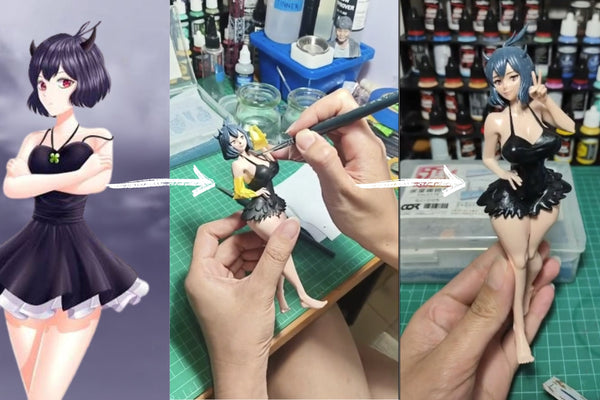
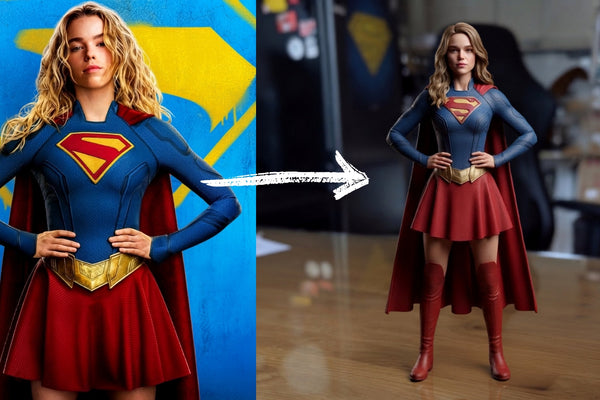
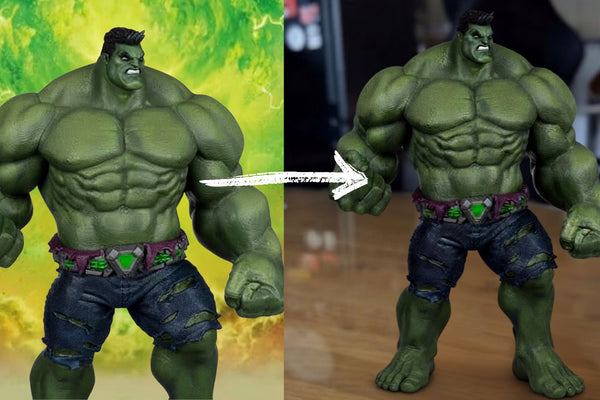
For those seeking lasting mementoes that transcend the temporary nature of edible decorations, custom 3D printed figurines present a compelling alternative. Unlike edible pictures that disappear with cake consumption, custom figurines become permanent keepsakes that preserve memories long after celebrations conclude. Companies such as Figuro specialise in transforming photographs into meticulously crafted three-dimensional representations, offering a tangible connection to cherished moments.
These figurines, created using premium resin and advanced 3D printing technology, capture intricate details with remarkable precision. Available in sizes ranging from 8 centimetres to 22 centimetres, they can be customised to reflect specific poses, outfits, and scenarios that hold personal significance. The hand-painted finish option further enhances realism, creating miniature sculptures that serve as conversation pieces and sentimental treasures.
Custom figurines offer particular advantages for wedding celebrations, where couples increasingly seek cake toppers that can be preserved alongside other wedding memorabilia. Rather than discarding a decorative element after the reception, custom figurines become lasting symbols of the union, displayed in homes as permanent reminders of the special day.
Cost Considerations and Value Propositions
Edible pictures typically represent a cost-effective decorating solution, with prices varying based on size, material quality, and design complexity. Standard frosting sheets generally cost between five and twenty pounds, depending on dimensions and customisation requirements. This affordability makes them accessible for casual celebrations and budget-conscious consumers.
Custom figurines require a higher initial investment, reflecting the sophisticated technology, materials, and craftsmanship involved in their production. However, their permanent nature and multi-functional utility—serving both as cake decorations and lasting keepsakes—provide long-term value that extends beyond a single event. The emotional significance of possessing a three-dimensional representation of loved ones or memorable moments often justifies the additional expenditure for individuals prioritising sentimental value.
Future Trends and Technological Advancements
The edible printing industry continues to evolve, with ongoing research focused on improving ink formulations, expanding colour gamuts, and developing new substrate materials. Advances in 3D food printing technology suggest future possibilities for edible three-dimensional decorations, potentially bridging the gap between flat images and sculptural elements.
Similarly, custom figurine production benefits from continuous improvements in 3D scanning and printing technologies. Enhanced detail resolution, expanded material options, and streamlined production processes promise to make personalised figurines increasingly accessible whilst maintaining high quality standards.
Making the Right Choice for Your Celebration
Selecting between edible pictures and alternative personalisation methods depends on several factors, including budget constraints, desired longevity, aesthetic preferences, and the nature of the celebration. Edible images excel in situations requiring cost-effective, temporary decoration with photographic reproduction capabilities. They suit casual gatherings where the primary focus remains on the dessert itself rather than creating lasting mementoes.
For milestone events where preserving memories holds paramount importance, investing in custom figurines provides enduring value. These three-dimensional keepsakes transcend their initial function as cake decorations, evolving into cherished possessions that evoke fond memories for years to come. The ability to display them prominently in homes, offices, or personal spaces ensures that special moments remain visible and celebrated long after events conclude.
At Figuro, we understand the profound importance of preserving life's most precious moments. Whilst edible pictures offer wonderful temporary decorations, our custom 3D printed figurines transform fleeting celebrations into permanent treasures. Whether commemorating weddings, anniversaries, family gatherings, or simply capturing everyday joy, our expertly crafted figurines ensure that your special moments remain tangible and treasured. We invite you to explore how Figuro can turn your cherished photographs into beautiful, lasting keepsakes that celebrate the people and moments you hold dear. Visit getfiguro.com to begin creating your custom figurine today, and discover why thousands choose permanent mementoes over temporary decorations.
Bring Your Best Memories into the 3D World
Tired of looking at your favorite moments through a glass screen? Turn those unforgettable photos into something you can actually touch, hold, and display forever. Whether you're chasing jaw-dropping realism with our Realistic 3D Figurines, adding a fun twist to your desk space with a Custom Bobblehead Figurine, or celebrating a milestone love story with a Personalized Anniversary Couple Gift, we custom-sculpt every single piece to tell your unique story.
👉 Explore Figuro's Full Collection & Start Crafting Yours Today!