


Celebrations have evolved significantly over the years, and one of the most delightful innovations in the realm of confectionery art is the emergence of edible picture cake images. These personalised decorations have transformed ordinary cakes into extraordinary centrepieces, allowing individuals to commemorate special occasions with unprecedented creativity and sentimentality. From birthday parties to wedding receptions, edible images have become an indispensable tool for creating memorable experiences that resonate with both visual appeal and emotional significance.
Understanding Edible Picture Cake Images
Edible picture cake images represent a sophisticated fusion of culinary artistry and modern printing technology. These decorations consist of food-grade ink printed onto thin, edible paper sheets made from materials such as wafer paper, frosting sheets, or rice paper. The result is a completely safe and consumable decoration that can display photographs, logos, cartoon characters, or any custom design imaginable.
The technology behind edible printing mirrors conventional inkjet printing, with one crucial difference: every component must be entirely food-safe. Specialised printers use edible inks derived from food colouring, whilst the 'paper' substrate is manufactured from ingredients commonly found in confectionery products. This innovation has democratised cake decoration, enabling both professional bakers and home enthusiasts to create stunning, personalised designs without requiring advanced artistic skills.
Types of Edible Paper for Cake Images
Selecting the appropriate medium for your edible image is paramount to achieving optimal results. Each type of edible paper possesses distinct characteristics that influence both the application process and the final appearance.
Frosting Sheets
Frosting sheets, also known as icing sheets, are the most popular choice for edible images. Manufactured from a thin layer of icing on a backing paper, these sheets produce vibrant colours and sharp images. The flexible nature of frosting sheets allows them to conform easily to curved surfaces, making them ideal for round or irregularly shaped cakes. They adhere directly to buttercream, fondant, or royal icing without requiring additional adhesives. The slightly sweet taste blends seamlessly with most cake flavours, ensuring the decoration enhances rather than detracts from the overall culinary experience.
Wafer Paper
Wafer paper, composed primarily of potato starch, oil, and water, offers a different aesthetic quality. This paper is slightly translucent and has a neutral taste with a delicate, crisp texture. Images printed on wafer paper appear more subtle and matte compared to frosting sheets, creating an elegant, understated effect. Wafer paper works exceptionally well for creating three-dimensional decorations such as flowers or butterflies, as it can be shaped and manipulated whilst remaining structurally sound. However, it requires careful handling as moisture can cause the paper to become fragile.
Rice Paper
Rice paper represents the traditional option for edible printing. Thinner and more delicate than wafer paper, rice paper produces a semi-transparent finish that can create stunning watercolour-like effects. This medium excels in applications requiring a subtle, ethereal quality. Rice paper dissolves more readily upon contact with moisture, making it less suitable for humid environments or cakes with high moisture content. Professional decorators often reserve rice paper for specific artistic applications where its unique properties can be fully appreciated.
Creating Custom Edible Images
The process of creating personalised edible cake images requires attention to several technical considerations to ensure professional-quality results.
Image Selection and Preparation
The foundation of any successful edible image lies in selecting an appropriate source photograph or design. High-resolution images produce the clearest, most detailed results. Photographs should possess adequate lighting, sharp focus, and good contrast. Images with a minimum resolution of 300 dots per inch (DPI) are recommended to prevent pixelation or blurriness when printed.
Digital editing software allows for enhancements such as brightness adjustment, colour correction, and cropping to optimise the composition. Consider the background colour of your image in relation to the cake's icing colour; strategic choices can create seamless integration or striking contrast depending on your aesthetic goals.
Printing Considerations
Utilising a dedicated edible printer ensures food safety and optimal image quality. These specialised devices accommodate edible ink cartridges and are calibrated specifically for printing on edible substrates. Regular household printers should never be used for edible images due to contamination risks from non-food-safe materials.
Before printing the final image, conduct test prints to verify colour accuracy and sizing. Edible inks may render colours slightly differently than conventional inks, particularly in the blue and green spectrums. Adjusting saturation and contrast during the design phase can compensate for these variations.
Application Techniques for Edible Images
Proper application is essential to achieving a flawless finish that appears professionally executed.
Surface Preparation
The cake surface must be appropriately prepared to receive the edible image. For buttercream-frosted cakes, ensure the icing layer is smooth and has formed a slight crust, which typically occurs after refrigeration. This prevents the image from sinking into soft icing or developing air bubbles. Fondant-covered cakes should be slightly sticky; if the fondant has dried completely, lightly brushing the surface with water or clear alcohol creates the necessary adhesion.
Placement Process
When applying the edible image, remove the backing paper carefully to avoid tearing the delicate sheet. Position the image precisely before making contact with the cake surface, as repositioning can damage both the image and the icing. Gently smooth the image from the centre outward using clean, dry hands or a fondant smoother to eliminate air bubbles and ensure complete adhesion. Work methodically and patiently; rushing this step often results in wrinkles or tears.
Beyond Flat Cakes: Expanding Applications
Whilst edible images are predominantly associated with flat cake surfaces, creative decorators have discovered numerous innovative applications that extend beyond traditional boundaries.
Cupcakes adorned with miniature edible images create cohesive themed displays perfect for large gatherings. Cookies featuring personalised photographs serve as both decoration and party favours. Edible images can be applied to chocolate plaques, creating three-dimensional cake toppers with photographic elements. Some artisans even incorporate edible images into sugar cookies, macarons, and other confections, demonstrating the versatility of this technology.
From Edible Images to Lasting Keepsakes
Whilst edible picture cake images create beautiful moments during celebrations, they inevitably disappear as the cake is consumed. For those seeking to preserve memories in a more permanent form, alternatives exist that capture the same personalisation with enduring longevity.
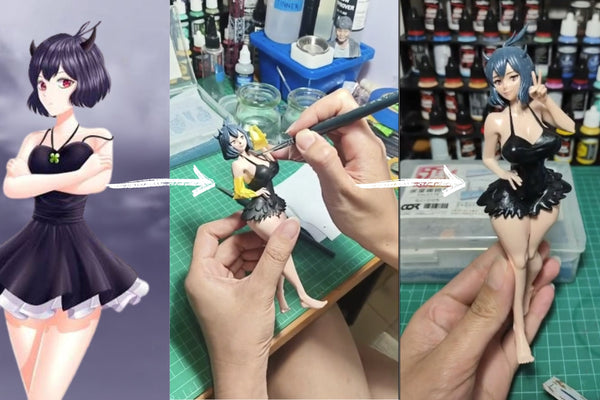
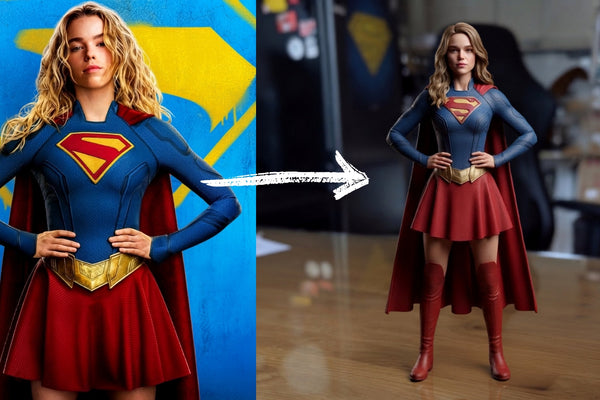
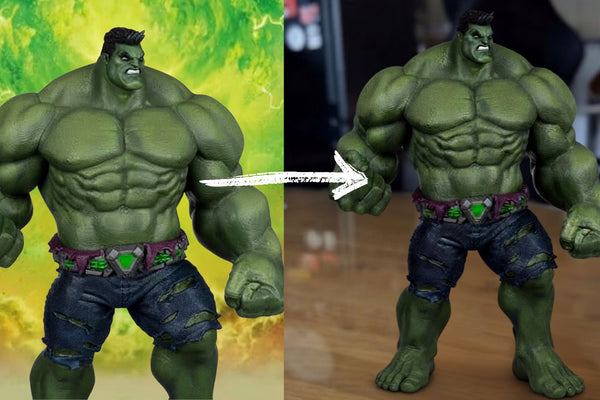
Custom 3D printed figurines offer a tangible keepsake that transforms photographs into three-dimensional representations. Unlike edible images that last only for the duration of an event, these figurines become cherished mementoes that commemorate special occasions indefinitely. At Figuro, we specialise in converting your treasured photographs into premium resin figurines that capture the essence of your most meaningful moments. Whether commemorating a wedding, birthday, or family milestone, these detailed sculptures provide a lasting alternative to temporary decorations.
Troubleshooting Common Issues
Even experienced decorators occasionally encounter challenges when working with edible images. Understanding common problems and their solutions ensures consistently excellent results.
Colour Bleeding or Running
Excessive moisture causes edible ink to bleed or run. This typically occurs when images are applied to wet icing or exposed to humid conditions. Ensure all surfaces are appropriately dried before application, and store decorated cakes in climate-controlled environments. If slight bleeding occurs, it often stabilises once the image fully adheres and dries.
Air Bubbles and Wrinkles
Air trapped beneath the edible image creates unsightly bubbles that distort the design. Prevention involves careful, methodical smoothing during application. If bubbles appear, gently pierce them with a sterilised pin and smooth the area. Wrinkles usually result from attempting to reposition the image after initial contact; precise placement on the first attempt minimises this risk.
Fading or Discolouration
Edible images can fade when exposed to direct sunlight or high-intensity lighting. Store decorated cakes away from windows and bright lights until serving time. Some colour fading may occur naturally over 24-48 hours, so timing the decoration close to the event ensures optimal vibrancy.
Preserving Memories in Three Dimensions
As you plan your next celebration, consider how you wish to commemorate the occasion. Edible images provide immediate visual impact, transforming cakes into personalised masterpieces. However, when you desire a keepsake that endures beyond the celebration itself, explore the world of custom figurines.
Figuro transforms your favourite photographs into beautifully crafted 3D figurines that capture personalities, relationships, and special moments with remarkable detail. Our premium resin figurines, available in sizes ranging from 8 centimetres to 22 centimetres, offer customisable poses and outfits, ensuring each piece perfectly reflects your vision. With our 100% satisfaction guarantee, you can preview your figurine before production begins, ensuring the final product exceeds your expectations.
Discover how Figuro can help you turn fleeting moments into lasting treasures. Visit getfiguro.com to begin creating your custom figurine today, and transform your cherished memories into tangible keepsakes that will be treasured for generations to come.
Bring Your Best Memories into the 3D World
Tired of looking at your favorite moments through a glass screen? Turn those unforgettable photos into something you can actually touch, hold, and display forever. Whether you're chasing jaw-dropping realism with our Realistic 3D Figurines, adding a fun twist to your desk space with a Custom Bobblehead Figurine, or celebrating a milestone love story with a Personalized Anniversary Couple Gift, we custom-sculpt every single piece to tell your unique story.
👉 Explore Figuro's Full Collection & Start Crafting Yours Today!
Bring Your Best Memories into the 3D World
Tired of looking at your favorite moments through a glass screen? Turn those unforgettable photos into something you can actually touch, hold, and display forever. Whether you're chasing jaw-dropping realism with our Realistic 3D Figurines, adding a fun twist to your desk space with a Custom Bobblehead Figurine, or celebrating a milestone love story with a Personalized Anniversary Couple Gift, we custom-sculpt every single piece to tell your unique story.
👉 Explore Figuro's Full Collection & Start Crafting Yours Today!