


The art of shipping canvas prints and artwork requires meticulous attention to detail, proper materials, and an understanding of logistics that protects these delicate items throughout their journey. Whether you are an artist sending work to a gallery, an online retailer fulfilling orders, or a collector relocating treasured pieces, understanding canvas shipping fundamentals ensures your artwork arrives in pristine condition.
Understanding Canvas Shipping Fundamentals
Canvas artwork presents unique shipping challenges due to its susceptibility to moisture, physical damage, and environmental fluctuations. Unlike rigid materials, stretched canvas can puncture, tear, or develop creases if improperly packaged. The fabric surface is vulnerable to scratches, while the wooden stretcher bars can crack under pressure or impact.
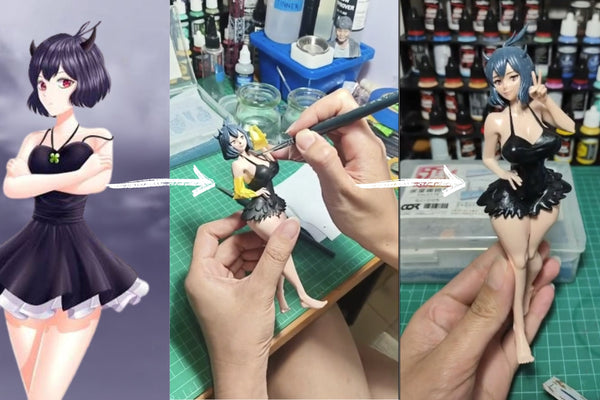
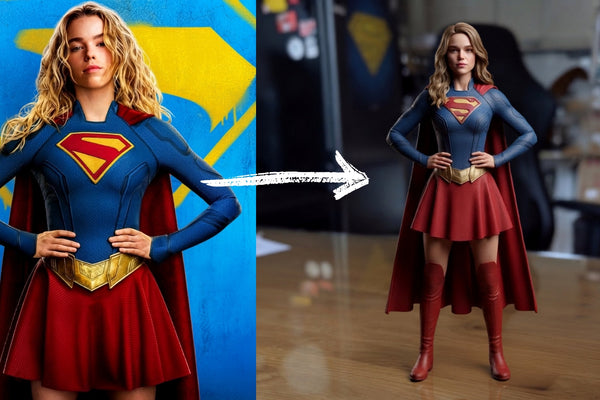
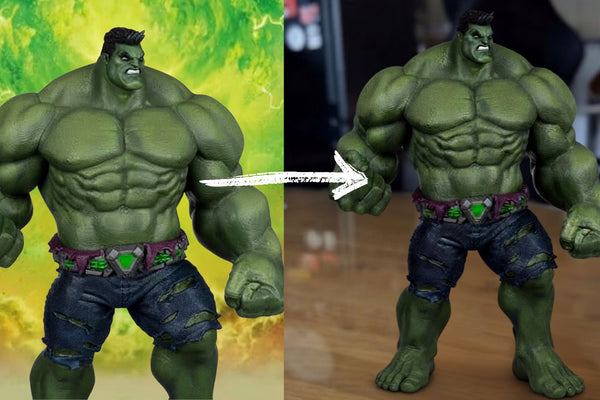
Professional canvas shipping begins with recognizing these vulnerabilities and implementing protective measures at every stage. The investment in quality packaging materials and proper techniques pays dividends in customer satisfaction and artwork preservation. Just as Figuro transforms cherished photographs into tangible 3D figurines with meticulous attention to detail, shipping canvas requires the same level of care and precision.
Essential Materials for Canvas Shipping
Successful canvas shipping depends on assembling the right protective materials before beginning the packing process. The foundation includes acid-free tissue paper or glassine paper to protect the canvas surface from direct contact with other materials. These pH-neutral papers prevent chemical reactions that could damage paint or printed surfaces over time.
Protective Corner Guards and Edge Protection
Corner protectors made from foam or cardboard serve as the first line of defense against impact damage. These L-shaped or triangular guards absorb shock and prevent the stretcher bar corners from puncturing through packaging. Edge protection along all four sides distributes pressure evenly and maintains the canvas's structural integrity during transit.
Cushioning and Void Fill
Bubble wrap remains the industry standard for cushioning, with large bubbles providing superior protection for artwork. Foam sheets offer an alternative that conforms to irregular shapes without the air pockets that can pop during compression. Packing peanuts or air pillows fill voids within the shipping container, preventing movement that leads to damage.
Step-by-Step Canvas Packing Process
Begin by covering the canvas face with acid-free tissue paper, ensuring complete coverage of the painted or printed surface. This protective layer prevents scratches and keeps the canvas clean throughout shipping. Secure the tissue paper with low-tack artist tape along the edges of the stretcher bars, never on the canvas surface itself.
Apply corner protectors to all four corners of the stretcher frame, extending protection at least five centimeters along each edge. Wrap the entire canvas in two to three layers of bubble wrap, with bubbles facing away from the artwork surface. Secure the bubble wrap with packing tape, creating a sealed protective cocoon.
Selecting the Appropriate Shipping Container
Choose a corrugated cardboard box with double-wall construction for canvases valued over £100 or measuring larger than 40 by 50 centimeters. The box dimensions should allow for at least seven centimeters of cushioning material on all sides of the wrapped canvas. Custom-sized boxes minimize excess space that permits shifting during transit.
Create a cushioning layer on the box bottom using crumpled packing paper or foam sheets. Position the wrapped canvas centrally, then fill all surrounding voids with additional cushioning material. The canvas should not move when the sealed box is gently shaken.
Specialized Techniques for Large Canvas Shipping
Canvases exceeding 100 by 120 centimeters require reinforced packaging strategies. Consider building a wooden crate with internal bracing for high-value or museum-quality pieces. The crate provides rigid protection against stacking pressure and rough handling that corrugated boxes cannot withstand.
For rolled canvas shipping, remove the canvas from stretcher bars and roll it paint-side outward around a rigid tube with a diameter of at least ten centimeters. This technique suits unstretched canvases or situations where dimensional shipping costs become prohibitive. Wrap the rolled canvas in acid-free tissue before securing it to the tube with archival tape.
Addressing Environmental Considerations
Canvas artwork remains vulnerable to humidity fluctuations and temperature extremes during shipping. Include silica gel packets within the packaging to absorb moisture and maintain stable humidity levels. These desiccants prove especially valuable for international shipments crossing multiple climate zones.
Avoid shipping canvas artwork during extreme weather periods when possible. Summer heat can soften adhesives and warp stretcher bars, while winter cold makes canvas brittle and prone to cracking. When seasonal shipping is unavoidable, add insulating materials to buffer temperature changes.
Insurance and Documentation Requirements
Photograph the canvas from multiple angles before packaging, capturing details of the artwork condition and any existing flaws. These images serve as vital documentation for insurance claims if damage occurs during transit. Declare the full replacement value when purchasing shipping insurance, as standard carrier liability limits rarely cover artwork adequately.
Complete customs documentation thoroughly for international canvas shipments. Include detailed descriptions, artist information, and accurate valuations. Misrepresented or incomplete paperwork can result in shipment delays, additional fees, or confiscation by customs authorities.
Carrier Selection and Service Level Considerations
Premium shipping carriers offer specialized art handling services with trained personnel and climate-controlled vehicles. While these services command higher prices, the reduced damage risk justifies the investment for valuable or irreplaceable canvases. Standard parcel services suit lower-value prints and posters when properly packaged.
Tracking capabilities have become essential rather than optional for canvas shipping. Real-time shipment monitoring allows intervention if delays occur and provides delivery confirmation. Signature requirements prevent package theft and establish clear delivery chains of custody.
International Canvas Shipping Challenges
Cross-border canvas shipping introduces additional complexity through customs regulations, import duties, and extended transit times. Research destination country restrictions on art imports, as some nations prohibit cultural artifacts or impose licensing requirements on artwork above certain values.
Duties and taxes calculation varies by country, typically based on declared value and material composition. Factor these costs into pricing structures for commercial shipments, or inform recipients of potential payment obligations upon delivery. Harmonized System codes classify artwork for customs purposes and must appear on all international shipping documentation.
Cost Optimization Strategies
Balance shipping speed with budget constraints by selecting appropriate service levels. Express overnight delivery suits time-sensitive gallery openings or exhibition deadlines, while ground services provide economical options for flexible timelines. Dimensional weight pricing penalizes oversized packages, making efficient packaging design financially beneficial.
Negotiate commercial shipping rates with carriers when regular volume justifies account establishment. Volume discounts can reduce per-shipment costs by twenty to forty percent compared to retail rates. Third-party logistics providers aggregate shipments from multiple clients to access wholesale carrier pricing.
Creating Memorable Delivery Experiences
Just as Figuro creates tangible keepsakes from cherished moments, the unboxing experience transforms canvas delivery into a memorable event. Include care instructions, artist statements, or certificates of authenticity that enhance perceived value. Quality packaging reinforces brand identity and demonstrates professionalism that encourages repeat business.
Consider sustainability in packaging material selection, as environmentally conscious consumers increasingly value ecological responsibility. Biodegradable cushioning materials, recycled cardboard, and recyclable tape align shipping practices with environmental stewardship while maintaining protective standards.
Transform Your Memories Into Lasting Keepsakes
While canvas prints capture visual memories on fabric, Figuro takes memory preservation to the next dimension by transforming your photographs into custom 3D figurines. Our premium resin figures provide the same meticulous attention to detail and careful delivery that professional canvas shipping demands. From couples and families to beloved pets, we create tangible representations of your most treasured moments.
Each Figuro creation receives protective packaging and free shipping to ensure your custom figurine arrives safely, ready to display alongside your favourite artwork. With our 100% satisfaction guarantee, you can review and approve your figurine preview before production begins. Visit getfiguro.com to start creating your personalized keepsake today and discover how we turn moments into figurines that last a lifetime.
Bring Your Best Memories into the 3D World
Tired of looking at your favorite moments through a glass screen? Turn those unforgettable photos into something you can actually touch, hold, and display forever. Whether you're chasing jaw-dropping realism with our Realistic 3D Figurines, adding a fun twist to your desk space with a Custom Bobblehead Figurine, or celebrating a milestone love story with a Personalized Anniversary Couple Gift, we custom-sculpt every single piece to tell your unique story.
👉 Explore Figuro's Full Collection & Start Crafting Yours Today!