


Canvas picture framing represents a sophisticated approach to preserving and displaying cherished memories, artwork, and photographic treasures. Whether one possesses original paintings, printed photographs, or digital images transferred onto canvas, the selection of an appropriate framing method can dramatically enhance both the aesthetic appeal and longevity of these precious items. This comprehensive guide explores the nuances of canvas framing techniques, materials, and considerations to assist individuals in making informed decisions about protecting their visual narratives.
Understanding Canvas as a Medium
Canvas has served as a preferred substrate for artists and photographers for centuries, valued for its texture, durability, and ability to showcase images with remarkable depth. The material consists of woven fabric, typically cotton, linen, or synthetic fibres, stretched taut across a wooden framework. Unlike traditional paper prints, canvas offers a three-dimensional quality that adds gravitas to displayed images, making them appear more substantial and gallery-worthy.
The popularity of canvas prints has surged in recent years as digital printing technology has advanced, enabling individuals to transform personal photographs into museum-quality displays. From wedding portraits to family gatherings, landscape photography to abstract art, canvas provides a versatile foundation for virtually any visual content. However, without proper framing and protection, even the finest canvas prints remain vulnerable to environmental factors such as dust, moisture, and ultraviolet radiation.
Types of Canvas Framing Options
Gallery Wrap Method
The gallery wrap technique represents one of the most popular contemporary approaches to canvas presentation. In this method, the printed image extends around the edges of the stretcher bars, creating a finished appearance on all sides. This frameless option delivers a clean, modern aesthetic that allows the artwork to serve as the focal point without competing visual elements. Gallery-wrapped canvases can be hung directly on walls, though some individuals opt to add floating frames for additional protection and visual interest.
Traditional Framed Canvas
Traditional framing involves mounting the canvas within a conventional picture frame, complete with moulding that surrounds the artwork's perimeter. This approach offers maximum protection whilst allowing for customisation through frame style, colour, and material selection. Wood frames provide warmth and classic elegance, whilst metal frames deliver contemporary sophistication. The space between the canvas edge and frame interior, known as the reveal, can be adjusted to create various visual effects.
Floating Frame Style
Floating frames create the illusion that canvas artwork hovers within the frame structure, with visible space between the canvas edges and the frame's interior borders. This technique combines the protective benefits of traditional framing with the modern aesthetic of gallery-wrapped presentations. Floating frames work particularly well with gallery-wrapped canvases, accentuating the three-dimensional quality whilst providing structural support and protection.
Material Considerations for Canvas Frames
The selection of framing materials significantly impacts both the appearance and preservation of canvas artwork. Wood remains the most traditional choice, offering natural beauty and substantial structural integrity. Hardwoods such as oak, walnut, and maple provide durability and classic appeal, whilst softer woods like pine offer affordability and ease of customisation through staining or painting.
Metal frames, constructed from aluminium or steel, deliver sleek, contemporary profiles ideal for modern interiors. These frames resist warping and provide excellent long-term stability, particularly in environments with fluctuating humidity levels. Composite materials, combining wood fibres with resins, offer cost-effective alternatives that mimic natural wood's appearance whilst providing enhanced moisture resistance.
The finish applied to framing materials deserves careful consideration as well. Matte finishes reduce glare and complement most artistic styles, whilst glossy or metallic finishes create dramatic effects suitable for bold, contemporary pieces. Distressed or antiqued finishes impart vintage character, ideal for classical artwork or nostalgic family photographs.
Protective Glazing Options
Whilst canvas traditionally remains unglazed in gallery settings, adding protective glass or acrylic glazing offers significant preservation benefits, particularly for valuable pieces or those displayed in challenging environments. Standard glass provides clarity and scratch resistance but adds considerable weight and poses breakage risks. Museum-quality glass incorporates ultraviolet filtering properties that protect artwork from light-induced fading whilst maintaining exceptional transparency.
Acrylic glazing, also known as plexiglass, offers a lightweight alternative with excellent impact resistance. Modern acrylic formulations include UV-filtering properties and anti-reflective coatings that rival glass performance. The reduced weight makes acrylic particularly suitable for large canvas pieces where glass would create excessive load on wall-mounting systems.
Custom Framing Versus Ready-Made Solutions
The decision between custom framing and ready-made frames involves balancing budget considerations, timeline constraints, and desired quality outcomes. Custom framing allows for precise sizing, unlimited material selections, and professional-grade construction techniques. Frame shops employ trained specialists who can advise on appropriate styles, colours, and protective measures specific to individual artworks. However, custom framing typically requires greater financial investment and longer completion times.
Ready-made frames offer immediate availability and cost advantages, with standardised sizes accommodating many common canvas dimensions. These frames work well for straightforward projects and budget-conscious applications. However, limited size availability may necessitate canvas resizing or result in imperfect fits that compromise visual presentation.
Installation and Display Considerations
Proper installation ensures both safety and optimal visual impact. Wall studs provide the most secure mounting points for heavy framed canvases, whilst hollow walls require appropriate anchoring systems such as toggle bolts or molly bolts. The hanging height significantly affects viewing experience; professional galleries typically position artwork centres at approximately 145 to 155 centimetres from floor level, aligning with average eye height.
Lighting conditions profoundly influence canvas artwork appearance. Natural light provides ideal illumination but must be filtered or indirect to prevent ultraviolet damage. Artificial lighting options include track lights, picture lights, and recessed spotlights, each offering distinct advantages for highlighting texture and colour. Avoiding direct light contact with canvas surfaces prevents heat accumulation that could damage adhesives or cause warping.
Preservation Through Tangible Keepsakes
Just as proper framing preserves two-dimensional memories captured on canvas, three-dimensional representations offer alternative methods for transforming significant moments into lasting treasures. Contemporary technologies enable the creation of physical representations that complement traditional display methods, providing multidimensional approaches to memory preservation.
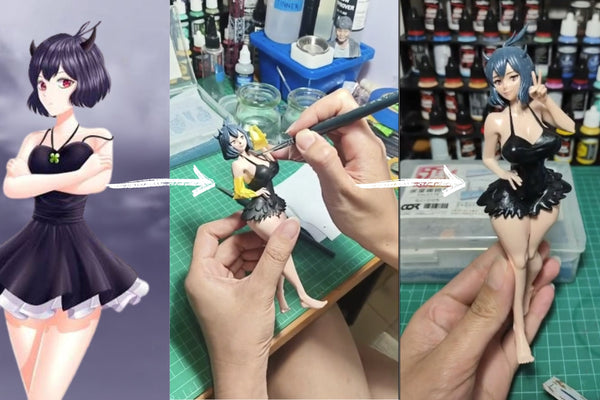
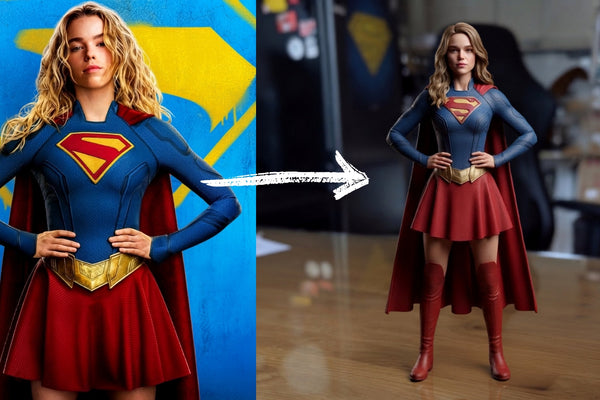
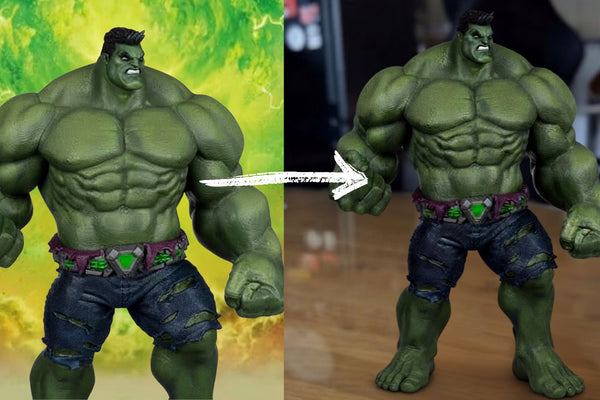
At Figuro, we understand the profound importance of transforming fleeting moments into tangible keepsakes. Whilst canvas framing excels at preserving photographic memories, custom 3D printed figurines offer a complementary approach to commemoration. Our premium resin creations capture individuals, couples, families, and even beloved pets in remarkable detail, creating sculptural memories that can be displayed alongside framed photographs. These hand-finished figurines, ranging from 8 to 22 centimetres in height, provide depth and dimension that photographs alone cannot achieve, creating comprehensive memory collections that honour life's most significant occasions.
Maintenance and Long-Term Care
Maintaining framed canvas artwork requires minimal effort but consistent attention. Regular dusting with soft, dry cloths prevents particle accumulation that could scratch surfaces or penetrate canvas weave. Glazed frames tolerate gentle cleaning with appropriate glass cleaners, whilst unglazed canvases should never contact liquid cleaning agents that could damage prints or coatings.
Environmental control significantly extends canvas lifespan. Maintaining relative humidity between 40 and 50 per cent prevents canvas expansion and contraction that leads to warping or cracking. Temperature stability proves equally important, as fluctuations cause materials to expand and contract at different rates, potentially compromising structural integrity. Avoiding display locations near heating vents, air conditioning units, or areas with direct sunlight exposure protects against premature deterioration.
Conclusion
Canvas picture framing encompasses both artistic expression and preservation science, requiring thoughtful consideration of aesthetic preferences, protective requirements, and environmental factors. Whether selecting gallery-wrapped presentations for modern minimalist spaces or elaborate traditional frames for classical interiors, the framing choices made today determine how effectively cherished images withstand the passage of time. By understanding available options and implementing appropriate care practices, individuals can ensure their visual memories remain vibrant and impactful for generations.
Ready to explore innovative ways to preserve your most treasured moments? Visit Figuro to discover how custom 3D figurines can complement your memory preservation strategy, turning photographs into tangible sculptures that celebrate life's irreplaceable experiences.
Bring Your Best Memories into the 3D World
Tired of looking at your favorite moments through a glass screen? Turn those unforgettable photos into something you can actually touch, hold, and display forever. Whether you're chasing jaw-dropping realism with our Realistic 3D Figurines, adding a fun twist to your desk space with a Custom Bobblehead Figurine, or celebrating a milestone love story with a Personalized Anniversary Couple Gift, we custom-sculpt every single piece to tell your unique story.
👉 Explore Figuro's Full Collection & Start Crafting Yours Today!
Bring Your Best Memories into the 3D World
Tired of looking at your favorite moments through a glass screen? Turn those unforgettable photos into something you can actually touch, hold, and display forever. Whether you're chasing jaw-dropping realism with our Realistic 3D Figurines, adding a fun twist to your desk space with a Custom Bobblehead Figurine, or celebrating a milestone love story with a Personalized Anniversary Couple Gift, we custom-sculpt every single piece to tell your unique story.
👉 Explore Figuro's Full Collection & Start Crafting Yours Today!