


Can you 3D print an existing toy?
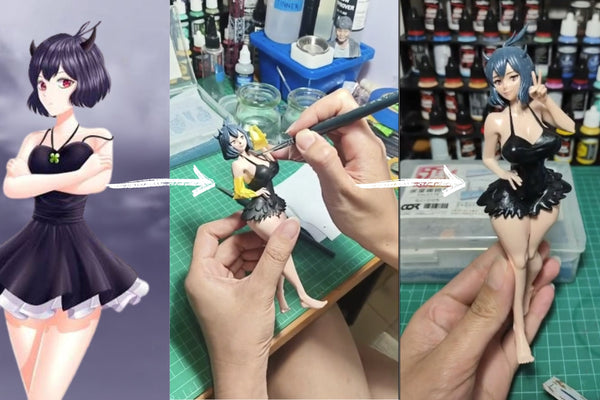
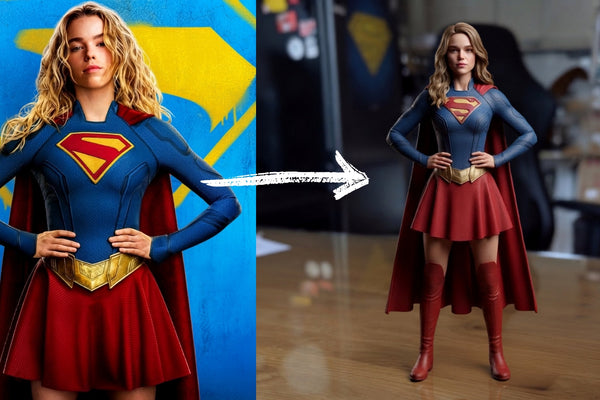
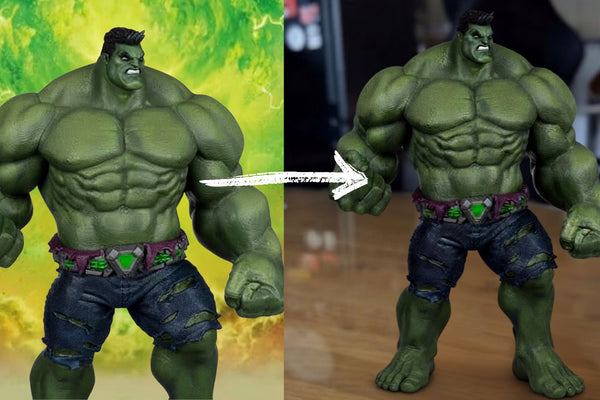
The short, practical answer is: yes, in many cases you can 3D print an existing toy. However, a comprehensive response requires examination of legal considerations, technical requirements, material and finish options, and ethical implications. This article provides a structured, evidence-based guide to determine when and how replicating a toy via 3D printing is feasible and appropriate. It also explains how Figuro can transform a beloved toy or photograph into a high-quality custom figurine while respecting intellectual property and quality constraints.
1. Legal and intellectual property considerations
The primary constraint when reproducing an existing toy is legal. Copyright, trademark, design patents, and licensing agreements can restrict replication or commercialization. Copyright typically protects original artistic expressions embodied in a toy's sculpt, while design patents may protect ornamental aspects for a limited period. Trademark law may constrain the use of logos or character designs.
In practical terms, if the toy is a mass-market licensed character or a proprietary design, replicating and selling copies will often infringe rights. Creating a single replacement part for private use, repairing a previously purchased toy, or producing a non-commercial tribute is frequently tolerated, but one must assess local law and the rights holder's policies. When in doubt, consult legal counsel or pursue permission from the rights holder.
2. Technical feasibility: scanning, modeling, and printing
Technically, reproducing a toy involves three major stages: capture, digital preparation, and fabrication.
2.1 Capture: photogrammetry and 3D scanning
High-quality capture can be achieved through 3D scanning or photogrammetry. Photogrammetry uses multiple photographs to reconstruct a mesh; it is accessible and effective for textured and complex surfaces. Structured-light or laser scanners produce more accurate geometry but can be costly. Accurate capture is essential for fine detail and dimensional fidelity.
2.2 Digital preparation: mesh cleanup and retopology
Raw scans often contain noise, holes, non-manifold edges, and topology unsuitable for printing. Skilled digital artists perform mesh cleanup, retopology, and, when necessary, manual sculpting to restore lost features. At this stage one can also modify the model: adjust scale, create mounting points, or combine parts for multi-material printing. Figuro's design workflow emphasizes careful mesh preparation to preserve likeness and structural integrity.
2.3 Fabrication: slicing and 3D printing
Once the model is print-ready, it is processed by slicing software and produced on an appropriate technology. For figurines with fine detail, resin-based processes such as SLA or DLP produce superior surface finish and fidelity. Figuro uses premium resin optimized for fine detail retention and a smooth, paint-ready surface. Print orientation, support structures, and post-processing influence the final quality and must be planned by experienced technicians.
3. Materials, sizes, and finishing options at Figuro
Figuro offers a range of material and finish options tailored to keepsakes and gifts. Available sizes range from 8 cm (3.1 in) to 22 cm (8.7 in), which accommodates single figures, couples, family groups, and pets. Material is premium resin chosen for durability and fine detail retention.
Finish options include realistic colored 3D printing and hand-painted finishes. Customers may request custom poses, outfits, or accessory alterations when the design is original or when permissions allow. A 100% refund policy applies if the customer does not approve the preview before printing begins, ensuring satisfaction without surprise.
4. Quality, limitations, and expected fidelity
Expect high fidelity for surface texture, facial features, and clothing folds when the source is high quality and the capture process is rigorous. Limitations arise in reproducing translucent materials, internal mechanisms, or proprietary moving parts. Very thin elements, complex articulation, and exact material matches for flexible components may not be feasible with rigid resin printing without redesign.
Color fidelity depends on the chosen finishing method; direct full-color 3D printing can reproduce photographic color patterns, while hand-painting allows selective enhancement and artistic interpretation. Figuro's technicians evaluate each project and recommend the method most consistent with the customer’s intent.
5. Ethical and sentimental considerations
Beyond legality, ethical considerations include respect for creators and original designers. For personal keepsakes, reproduction of a toy you own for sentimental reasons is distinct from reproducing a collectible for commercial resale. Figuro positions its services toward transforming meaningful moments into keepsakes — for example, converting a cherished toy into a personalized figurine or crafting a memorial piece. This aligns with the brand’s mission to 'Turn Moments Into Figurines' while avoiding commercial exploitation of protected designs.
6. The Figuro process for existing toys
Figuro's guided process simplifies decision-making and production:
- Initial assessment: analysis of the toy, its legal status, and technical feasibility.
- Capture or reference submission: customer supplies photos or the physical toy is scanned.
- Digital preview: a detailed 3D preview is provided for approval; printing begins only after approval.
- Manufacture and finish: premium resin printing, post-processing, and final finishing to selected options.
- Delivery: free shipping included to the US, China, Thailand, Singapore, India, and Malaysia.
Figuro also supports custom requests across product types including human, couple, family, pet figurines, wedding cake toppers, and memorial pieces. Sizes, custom poses, and hand-painted options are available to match the emotional intent of the project.
7. Cost, timeline, and practical advice
Cost depends on size, complexity, and finishing choices. Small single-figure reproductions are generally more economical than elaborate multi-figure scenes. Typical lead times include digital preparation and previewing, which can range from several days to a few weeks, with additional time for printing and finishing. Figuro provides transparent estimates after reviewing the project and reiterates the 100% preview satisfaction guarantee.
Conclusion and next steps
Reproducing an existing toy via 3D printing is frequently feasible from a technical standpoint, but it requires careful consideration of legal and ethical constraints. For sentimental, non-commercial projects, Figuro offers a professional pathway to convert an existing toy or reference photos into a high-quality, custom figurine using premium resin and a suite of finish options. If you are considering this option, we recommend starting with an assessment so Figuro's team can evaluate feasibility and advise on the best approach.
Ready to explore? Visit getfiguro.com to learn more or start a custom order. Our team will evaluate your toy or photos, provide a clear assessment, and deliver a preview before any printing begins.
Bring Your Best Memories into the 3D World
Tired of looking at your favorite moments through a glass screen? Turn those unforgettable photos into something you can actually touch, hold, and display forever. Whether you're chasing jaw-dropping realism with our Realistic 3D Figurines, adding a fun twist to your desk space with a Custom Bobblehead Figurine, or celebrating a milestone love story with a Personalized Anniversary Couple Gift, we custom-sculpt every single piece to tell your unique story.
👉 Explore Figuro's Full Collection & Start Crafting Yours Today!