


Introduction
This article examines the technical and practical aspects of 3d printed characters, with emphasis on material selection, file preparation, print fidelity, and post-processing. The objective is to present an academically informed overview that assists hobbyists, designers, and commercial buyers in evaluating options and understanding constraints when commissioning or producing figurative 3D prints.
Defining 3d Printed Characters
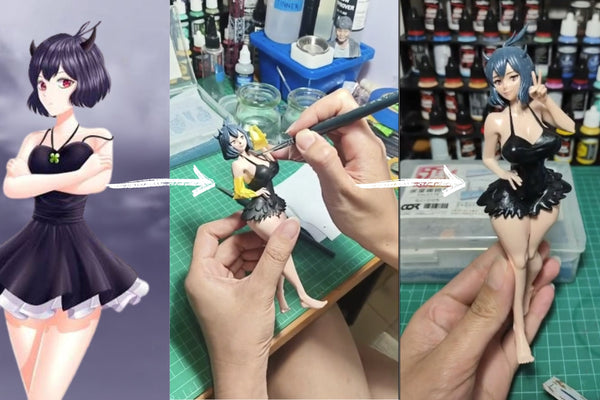
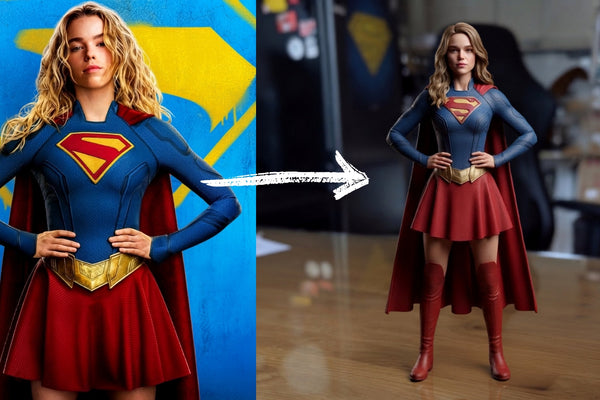
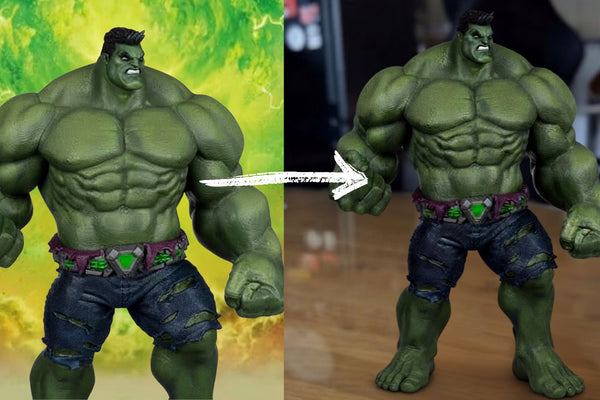
In the context of this discussion, '3d printed characters' denotes three-dimensional figurative reproductions that represent persons, fictional characters, or anthropomorphic subjects. Production spans multiple scales and finishes, including realistic colored 3D printed outputs, hand-painted finishes, and specialty adaptations such as bobbleheads or memorial statuettes. The methodology integrates photogrammetry, sculpting from reference, or direct modeling in CAD and digital sculpting suites.
Materials and Manufacturing Technologies
Resin Selection and Mechanical Properties
Premium resin remains the material of choice for figurative prints that require fine detail retention. Characteristics to evaluate include tensile strength, elongation at break, hardness (Shore D/A depending on formulation), and post-cure stability. Photopolymer resins optimized for fine-detail SLA/DLP processes provide surface fidelity at the expense of impact resilience; therefore, design for handling and mounting must consider potential brittleness.
Printing Technologies
Stereolithography (SLA) and Digital Light Processing (DLP) are the predominant technologies for high-resolution figurines. These technologies offer layer heights as fine as 25 to 50 microns, enabling the reproduction of facial features, hair strands, and textile folds. Fused Deposition Modeling (FDM) is generally unsuitable for small figurines that require smooth surfaces without extensive post-processing.
Digital Workflow and File Preparation
Scan-to-Print and Sculpting Practices
Two primary digital workflows exist: scan-to-print, which uses photogrammetry or 3D scanning to capture subject geometry, and manual sculpting, where artists create models in digital sculpting software. Scan-to-print workflows demand careful calibration of capture devices and controlled lighting to preserve surface texture and avoid noise in meshes.
Mesh Optimization and Topology
Before slicing, meshes must be optimized for watertightness, manifold geometry, and minimized non-manifold edges. Decimation strategies should preserve high-frequency detail in critical regions such as the face while reducing polygon counts in less visible areas. Proper topology facilitates efficient UV mapping for color prints and simplifies support generation for SLA/DLP processes.
Color and Surface Finishes
Full-Color 3D Printing versus Hand-Painted Finishes
Full-color 3D printing technologies can directly reproduce photographic textures mapped onto 3D surfaces, which is advantageous for realistic character representations. However, they may exhibit color banding or texture resolution limits depending on the printing system. Hand-painted finishes remain standard for high-end collectibles due to their superior color depth and the ability to apply subtle shading and specimens of patina.
Post-Processing Protocols
Post-processing includes solvent washing, UV post-curing, sanding, priming, and paint application. Each stage affects dimensional accuracy and surface aesthetics. UV post-curing parameters must be controlled to avoid over-curing that increases brittleness. Primers selected for adhesion to resin substrates improve paint longevity and reduce susceptibility to abrasion.
Design Considerations for Durability and Display
Designers should consider internal structural reinforcement for taller sculptures and employ integrated supports for thin appendages. Base design is critical to ensure stable display; threaded inserts, pins, or keyed joints are recommended when assembling multi-part figures. Scale selection influences perceived detail: sizes offered commonly range from 8cm (3.1") to 22cm (8.7"), and the selection should align with the intended fidelity and viewing distance.
Quality Assurance and Customer Assurance Policies
Robust QA includes dimensional inspection, surface quality checks, and color proofing. For client-commissioned pieces, a digital preview and proofing stage mitigates risk. Notably, Figuro provides a policy whereby customers receive a pre-print preview and a 100% refund is available if the preview is unsatisfactory prior to commencement of physical printing. This policy reduces ordering friction and aligns manufacturing intent with customer expectations.
Applications and Use Cases
3d printed characters serve functions across collectible markets, prototyping, memorialization, and promotional merchandising. Product categories include human figurines, couple and family keepsakes, pet reproductions, celebrity likenesses, anime and superhero figures, and niche items such as wedding cake toppers. Each category imposes distinct requirements for pose, wardrobe fidelity, and permitted likeness usage under intellectual property considerations.
Logistics, Sizes, and Global Delivery
Manufacturers must balance production lead time with shipping logistics. Figuro ships free to multiple markets, including the United States, China, Thailand, Singapore, India, and Malaysia. Shipping policies and packaging standards should protect fine details and painted finishes from transit damage; shock-absorbing materials and individually fitted compartments are recommended.
Ethical and Legal Considerations
When replicating recognizable persons or copyrighted characters, permission and licensing may be required. Commercial reproduction of copyrighted characters without authorization can expose creators and vendors to legal liability. Conversely, personal-use reproductions typically fall within acceptable consumer practice but must still respect privacy and trademark considerations.
Conclusion and Recommendations
Selection of materials, printing process, and post-processing workflow determines final fidelity and longevity of 3d printed characters. For high-detail figurines, SLA/DLP technologies combined with premium resin and controlled post-curing provide optimal results. Designers should prioritize mesh integrity, appropriate support strategy, and base engineering for display stability. For commissioning workflows, an iterative preview stage reduces risk and enhances satisfaction; Figuro's preview-and-refund policy exemplifies this approach.
Next Steps
For practitioners seeking to commission or evaluate 3d printed characters, begin with high-resolution photographic references or a professional 3D scan. Consider scale, finish, and pose constraints early in the design brief. To explore production options, materials, and pricing, visit Figuro or initiate a custom order at Figuro's order page. This will provide access to technical specifications, size matrices from 8cm to 22cm, finish samples, and the customer preview policy.
Call to action: Review Figuro's service offerings and upload reference materials to begin a technically informed commission with transparent preview safeguards.
Bring Your Best Memories into the 3D World
Tired of looking at your favorite moments through a glass screen? Turn those unforgettable photos into something you can actually touch, hold, and display forever. Whether you're chasing jaw-dropping realism with our Realistic 3D Figurines, adding a fun twist to your desk space with a Custom Bobblehead Figurine, or celebrating a milestone love story with a Personalized Anniversary Couple Gift, we custom-sculpt every single piece to tell your unique story.
👉 Explore Figuro's Full Collection & Start Crafting Yours Today!